

This comprehensive guide covers everything you need to know about waterproof coaxial cables—from understanding water...
Introduction to Antenna Fundamentals: Types, Applications & How They Work
Introduction to Antenna Fundamentals: Types, Applications & How They Work
Antennas are the silent backbone of modern wireless communication. From the smartphone in your pocket to the satellite orbiting Earth, every wireless signal begins and ends with an antenna. Whether you're a telecom professional, an electronics enthusiast, or simply curious about how your Wi-Fi router keeps you connected, understanding antenna fundamentals is essential.
In this comprehensive guide, we break down what antennas are, how they work, the main types available, and their real-world applications across telecommunications, broadcasting, satellite systems, and emerging 5G networks.
What Is an Antenna?
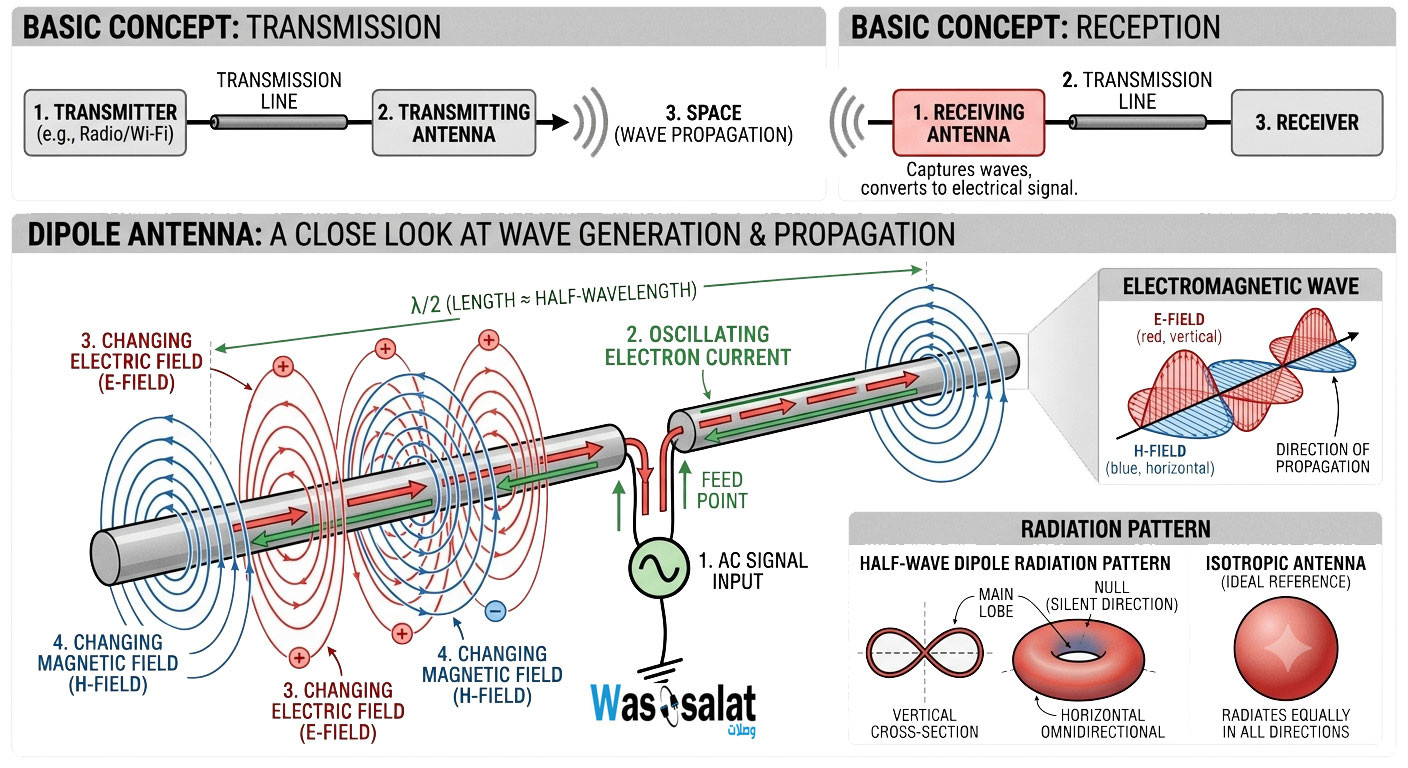
An antenna (also called an aerial) is a transducer that converts electrical signals into electromagnetic waves, and vice versa. In simple terms:
- Transmission: An antenna takes electrical energy from a transmitter and radiates it as electromagnetic waves into space.
- Reception: An antenna captures electromagnetic waves from the air and converts them back into electrical signals for a receiver.
This bidirectional functionality makes antennas indispensable in virtually every wireless communication system — from AM/FM radio and television broadcasting to mobile phones, GPS navigation, and deep-space probes.
How Do Antennas Work? The Basic Principle
Antennas operate based on Maxwell's equations of electromagnetism. When an alternating current (AC) flows through a conductive element, it creates oscillating electric and magnetic fields that propagate outward as electromagnetic waves at the speed of light.
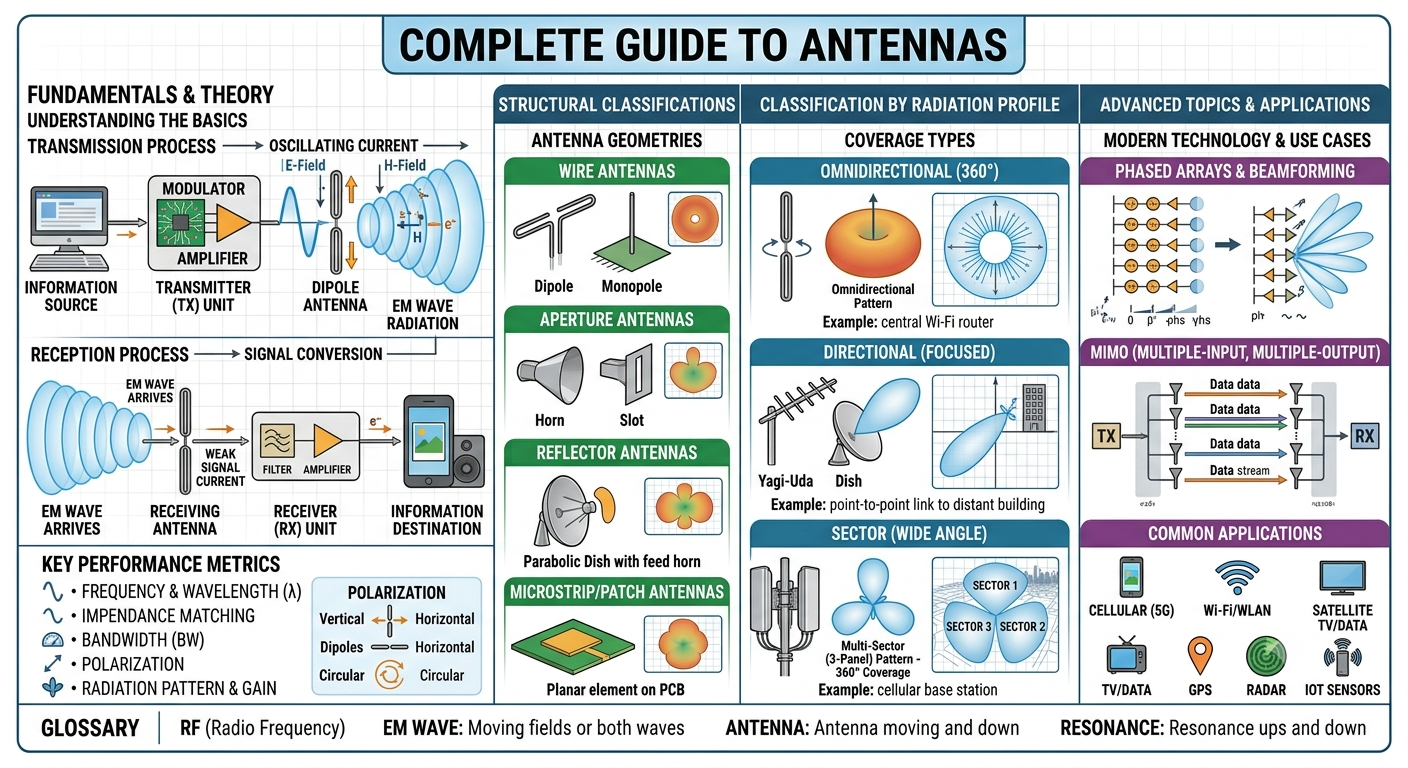
The key parameters that define an antenna's performance include:
| Parameter | Description | Why It Matters |
|---|---|---|
| Frequency / Wavelength | The operating frequency determines the physical size of the antenna | Higher frequency = shorter wavelength = smaller antenna |
| Gain | Measure of how well an antenna directs energy in a specific direction | Higher gain = longer range but narrower coverage |
| Impedance | Typically 50Ω or 75Ω; must match the transmission line | Mismatch causes signal reflection and power loss |
| Polarization | Orientation of the electric field (vertical, horizontal, circular) | Transmit and receive antennas must match polarization |
| Bandwidth | Range of frequencies the antenna can operate over | Wideband antennas handle multiple services |
| Radiation Pattern | Graphical representation of signal strength in all directions | Determines coverage area and interference |
| VSWR | Voltage Standing Wave Ratio; measures impedance matching | VSWR ≤ 2:1 is generally acceptable |
Main Types of Antennas
Antennas come in many shapes and sizes, each optimized for specific frequencies, applications, and environments. Here are the most common types:
1. Dipole Antenna
The dipole antenna is the simplest and most fundamental antenna design. It consists of two conductive rods arranged in a straight line, fed at the center.
- Length: Typically half a wavelength (λ/2) at the operating frequency
- Radiation Pattern: Figure-eight (bidirectional) in the plane perpendicular to the antenna
- Applications: AM/FM radio, TV reception, amateur radio, basic Wi-Fi

2. Monopole Antenna
A monopole is essentially half of a dipole mounted perpendicular to a ground plane. The ground plane acts as a mirror, creating the effect of the missing half.
- Advantage: Half the physical size of a dipole for the same frequency
- Applications: Car radio antennas, mobile phone antennas, walkie-talkies
3. Yagi-Uda Antenna
The Yagi-Uda (or simply Yagi) antenna is a directional antenna consisting of a driven element, reflectors, and directors. It offers high gain in one direction.
- Key Feature: High gain and directivity with relatively simple construction
- Applications: TV reception (UHF/VHF), amateur radio, point-to-point communication

4. Parabolic Dish Antenna
Parabolic (dish) antennas use a curved reflector to focus incoming signals onto a single feed point, or to collimate outgoing signals into a narrow beam.
- Key Feature: Extremely high gain and narrow beamwidth
- Applications: Satellite TV, satellite internet, radio astronomy, deep-space communication
5. Patch (Microstrip) Antenna
Patch antennas are flat, low-profile antennas etched onto a printed circuit board. They are lightweight and easy to integrate.
- Key Feature: Compact, planar, and suitable for mass production
- Applications: GPS devices, mobile phones, Wi-Fi routers, RFID tags, 5G base stations
6. Helical Antenna
A helical antenna consists of a conducting wire wound in a helix shape. It can produce circular polarization.
- Key Feature: Circular polarization reduces signal fading
- Applications: Satellite communication, space probes, RFID systems
7. Horn Antenna
Horn antennas are flared waveguides that provide smooth impedance transitions and high gain at microwave frequencies.
- Key Feature: Wide bandwidth and low VSWR
- Applications: Radar systems, microwave links, antenna testing (feed for dish antennas)
8. Phased Array Antenna
Phased arrays consist of multiple antenna elements whose signals are combined with controlled phase shifts to steer the beam electronically — without moving the antenna physically.
- Key Feature: Electronic beam steering (beamforming)
- Applications: 5G base stations, military radar, weather radar, advanced Wi-Fi (802.11ad/ay)
Antenna Applications by Industry
| Industry | Antenna Types Used | Key Requirements |
|---|---|---|
| Telecommunications | Panel, Yagi, parabolic, phased array | High gain, weather resistance, wide bandwidth |
| Broadcasting (Radio/TV) | Dipole, Yagi, log-periodic | Wide bandwidth, omnidirectional or directional coverage |
| Satellite Communication | Parabolic dish, helical, horn | High gain, low noise, precise pointing |
| Mobile / Cellular | Monopole, patch, phased array | Compact size, multiband, MIMO capability |
| Wi-Fi / WLAN | Dipole, patch, Yagi | Dual-band (2.4 GHz / 5 GHz), omnidirectional |
| GPS / Navigation | Patch, helical | Right-hand circular polarization, low profile |
| IoT / Smart Devices | Chip, PCB trace, monopole | Ultra-compact, low power, low cost |
| 5G Networks | Massive MIMO, phased array, mmWave | Beamforming, high frequency (sub-6 GHz & mmWave) |
Antenna Selection Guide
Choosing the right antenna depends on several factors:
- Frequency Band: Match the antenna's operating frequency to your application (e.g., 700 MHz for LTE, 2.4/5 GHz for Wi-Fi, 28 GHz for 5G mmWave).
- Gain & Coverage: Need wide coverage? Choose omnidirectional. Need long-distance point-to-point? Choose high-gain directional.
- Environment: Outdoor installations require weatherproofing and UV-resistant materials.
- Size Constraints: Space-limited applications favor patch or chip antennas.
- Polarization: Ensure transmitter and receiver antennas share the same polarization for maximum signal transfer.
- Budget: Simple dipoles are inexpensive; phased arrays and parabolic dishes are higher investment.
Key Takeaways
- Antennas are essential transducers that convert electrical signals to electromagnetic waves and back.
- The dipole antenna is the fundamental building block of most antenna designs.
- Directional antennas (Yagi, parabolic) provide high gain for long-distance links; omnidirectional antennas (dipole, monopole) cover wide areas.
- Modern applications like 5G and IoT are driving innovation in compact, multiband, and beam-steering antenna technologies.
- Proper antenna selection requires balancing frequency, gain, size, environment, and cost.
Frequently Asked Questions (FAQ)
What is the most common type of antenna?
The half-wave dipole is the most fundamental and widely used antenna type. It serves as the reference for measuring antenna gain (dBd) and is the basis for many derivative designs.
Can one antenna transmit and receive?
Yes. Most antennas are reciprocal, meaning they work equally well for transmission and reception. This is why your phone's antenna handles both talking and listening.
Why do 5G antennas look different?
5G uses massive MIMO and phased arrays with many small elements to create narrow, steerable beams. This allows higher data rates and better coverage in dense urban environments.
Does antenna size matter?
Yes. Antenna size is inversely proportional to frequency. Lower frequencies (e.g., AM radio at 1 MHz) require large antennas, while higher frequencies (e.g., 5G mmWave at 28 GHz) allow very compact designs.
Conclusion
Understanding antenna fundamentals is the first step toward mastering wireless communication. Whether you're designing a network, troubleshooting signal issues, or simply exploring RF technology, knowing how antennas work and which type suits your needs empowers you to make informed decisions.
Ready to dive deeper? Explore our next articles on Types of Antennas: Dipole, Monopole, and Loop and 5G mmWave Antenna Design Challenges to expand your knowledge.
Published: July 3, 2026 | Category: Antenna | Tags: antenna fundamentals, RF, wireless, telecommunications, 5G, Wi-Fi, satellite
Posted in:
Antenna
Related posts
-
 The Complete Guide to Antennas
Whether you're installing a WiFi network, deploying LTE equipment, building a CCTV system, or setting up satellite...Read more
The Complete Guide to Antennas
Whether you're installing a WiFi network, deploying LTE equipment, building a CCTV system, or setting up satellite...Read more -
 Types of Antennas: Dipole vs Monopole vs Loop | Complete Guide
Learn the differences between dipole, monopole, and loop antennas, including how they work, advantages,...Read more
Types of Antennas: Dipole vs Monopole vs Loop | Complete Guide
Learn the differences between dipole, monopole, and loop antennas, including how they work, advantages,...Read more
Latest posts
-
 Waterproof Coaxial Cable: The Complete GuideRead more
 -
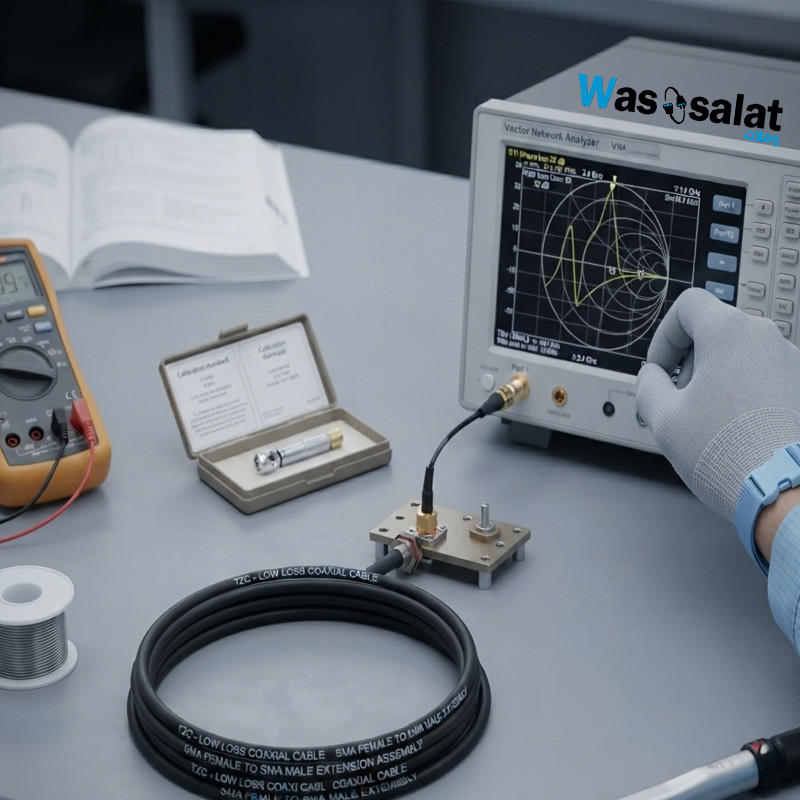 Testing Coaxial Cable: The Complete GuideRead more
This comprehensive guide covers everything you need to know about testing coaxial cable—from simple continuity checks...
-
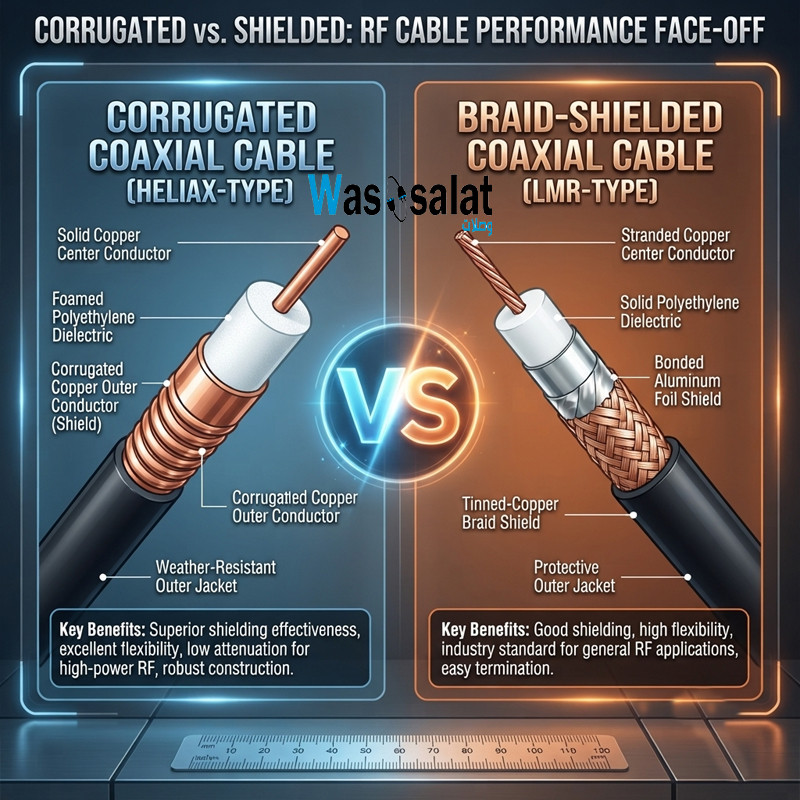 Corrugated Coaxial Cable vs Shielded Coaxial Cable: Complete ComparisonRead more
This comprehensive guide compares both technologies—explaining the differences in construction, performance,...
-
 Installing Coaxial Cable: The Complete GuideRead more
This comprehensive guide compares double shield and quad shield coaxial cables—explaining the differences in...
-
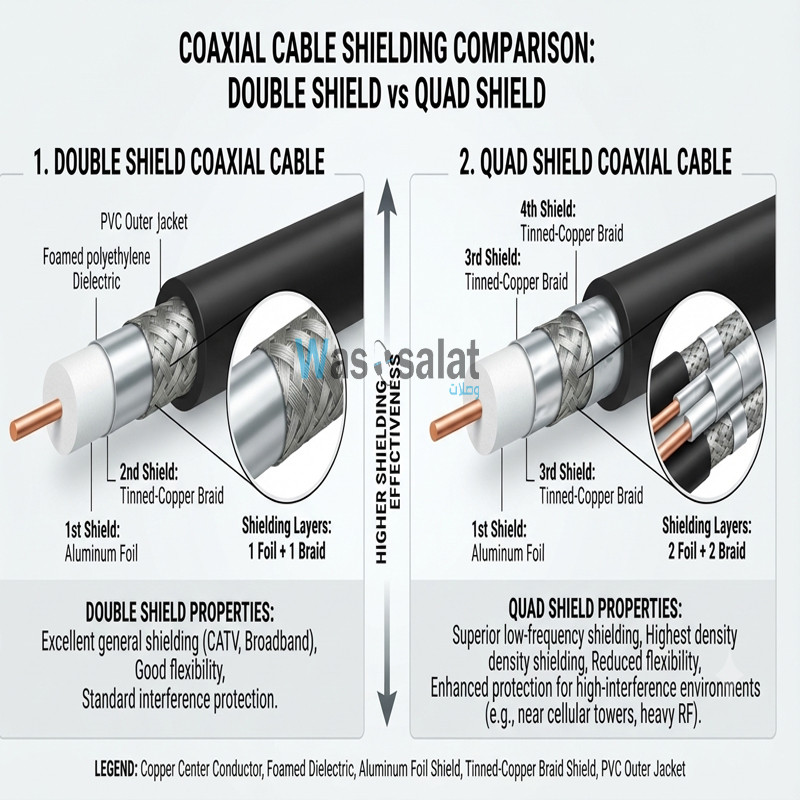 Double Shield vs Quad Shield: Which Coaxial Cable Should You Choose?Read more
This comprehensive guide compares double shield and quad shield coaxial cables—explaining the differences in...
-
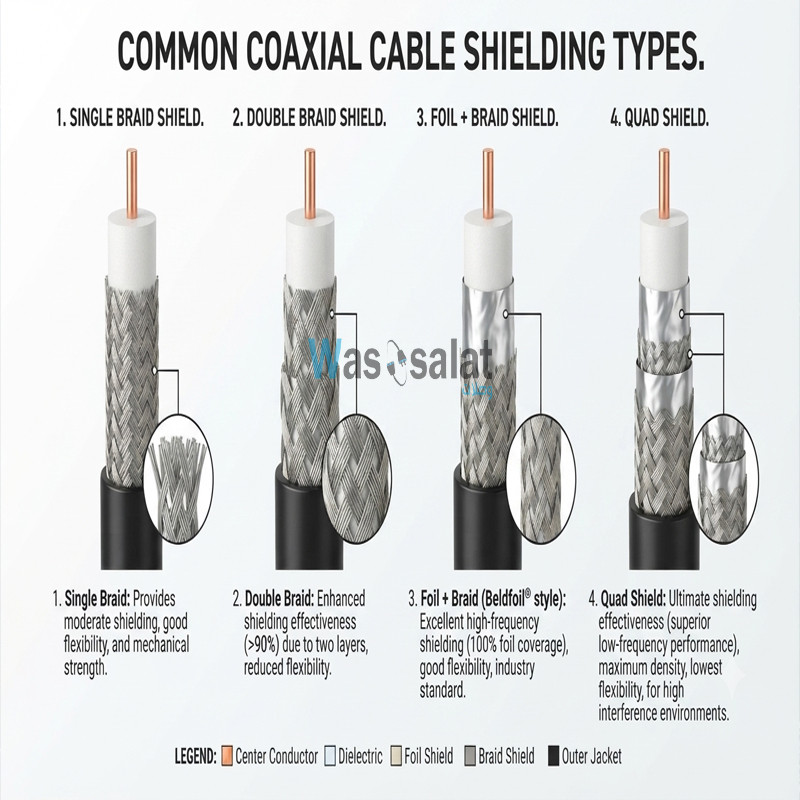 Shielding Types in Coaxial Cables: Complete GuideRead more
This comprehensive guide explains everything you need to know about shielding types—from single shield to quad...
-
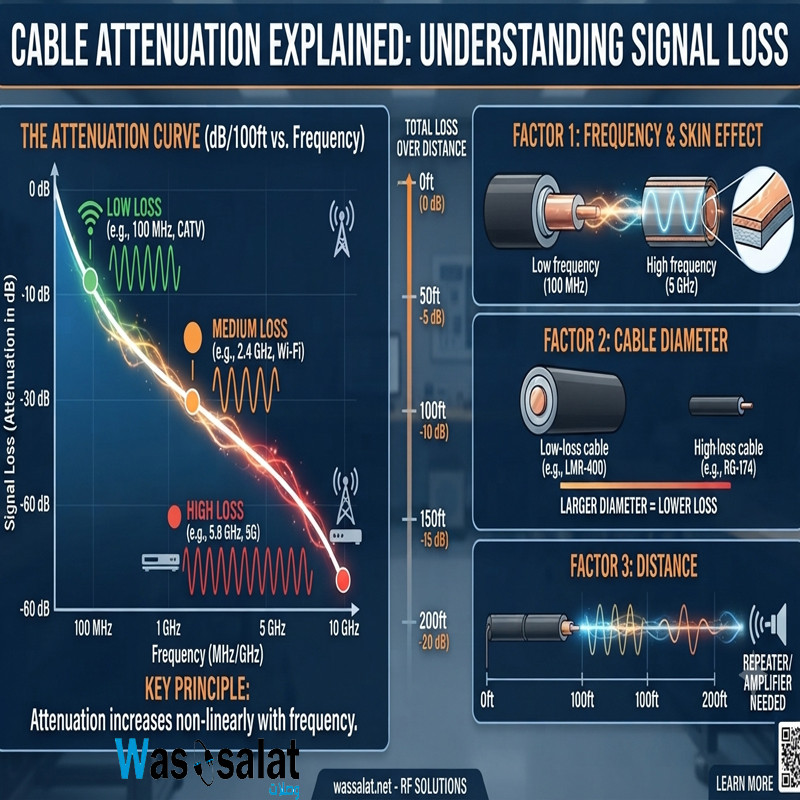 Cable Attenuation Explained: Understanding Signal LossRead more
This comprehensive guide explains everything you need to know about cable attenuation—what it is, what causes it, how...
-
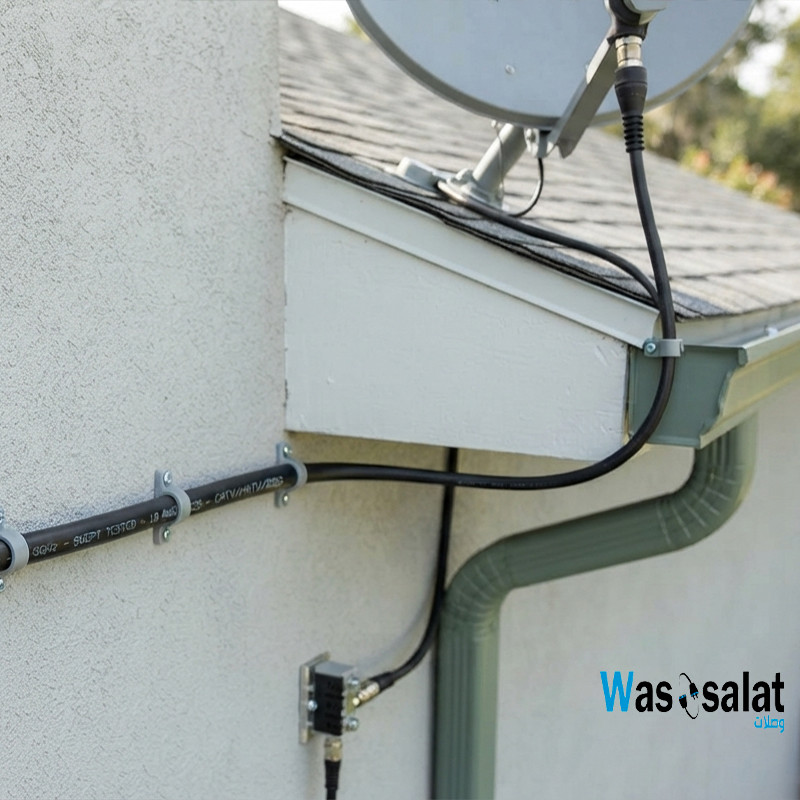 Outdoor Coaxial Cable: Complete Guide & Selection TipsRead more
Choose the right outdoor coaxial cable for your installation. Compare TZC-500/32 vs TZC-500/97, learn about PE...
-
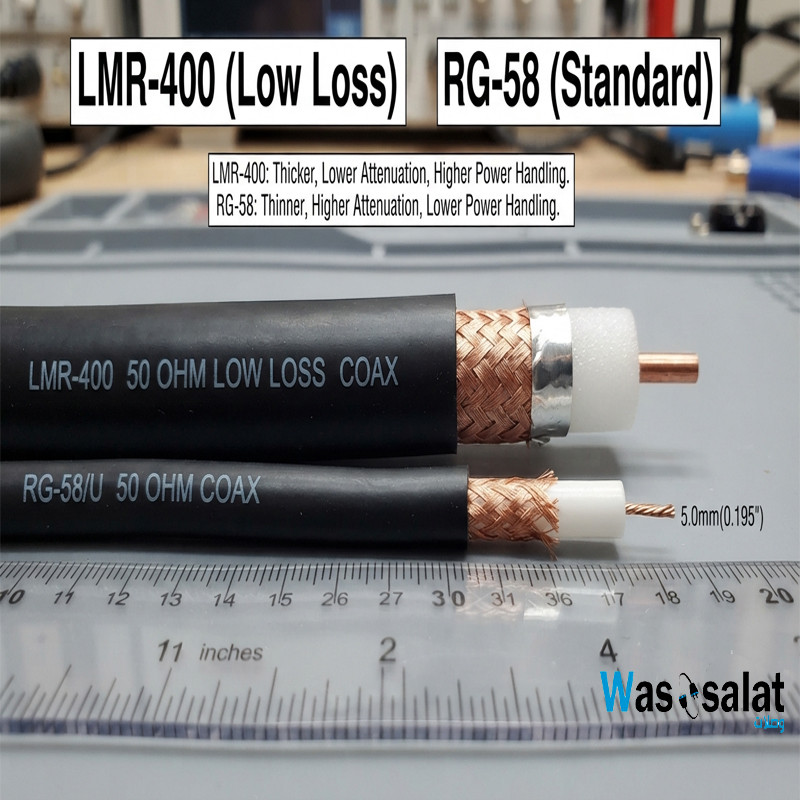 LMR-400 vs RG58: Which Coaxial Cable Should You Choose?Read more
Compare LMR-400 vs RG58 coaxial cables. Learn the differences in signal loss, construction, flexibility, and...
-
 Coax Cable Connectors: Complete Guide to F-Type, BNC, N-Type, SMARead more
Learn about coaxial cable connectors—F-Type, BNC, N-Type, SMA, TNC, and UHF. Compare impedances, frequencies, and...
Leave a comment