

This comprehensive guide covers everything you need to know about waterproof coaxial cables—from understanding water...
Types of Antennas: Dipole vs Monopole vs Loop | Complete Guide
Types of Antennas: Dipole, Monopole, and Loop Explained
Antennas are one of the most critical components in any wireless communication system. Whether you're designing a cellular network, installing a Wi-Fi system, building an IoT device, or setting up a radio communication link, selecting the appropriate antenna significantly impacts signal quality, transmission range, and overall system performance.
Among the many antenna designs available today, three of the most fundamental and widely used are the dipole antenna, monopole antenna, and loop antenna. Although these antennas may appear simple, each offers unique characteristics that make it suitable for specific applications.
This guide explains how each antenna works, compares their advantages and disadvantages, and helps you determine which antenna best fits your project.
What Is an Antenna?
An antenna is a device that converts electrical signals into electromagnetic waves for transmission through free space. Conversely, during reception, it captures electromagnetic waves and converts them back into electrical signals for processing by communication equipment.
Without antennas, wireless communication would not be possible. They serve as the interface between electronic devices and the surrounding electromagnetic environment.
Antennas are found in countless technologies, including:
- Mobile communication systems
- Wi-Fi networks
- Television broadcasting
- Satellite communications
- GPS receivers
- Two-way radio systems
- Military communications
- IoT devices
- RFID systems
- Industrial wireless networks
How Do Antennas Work?
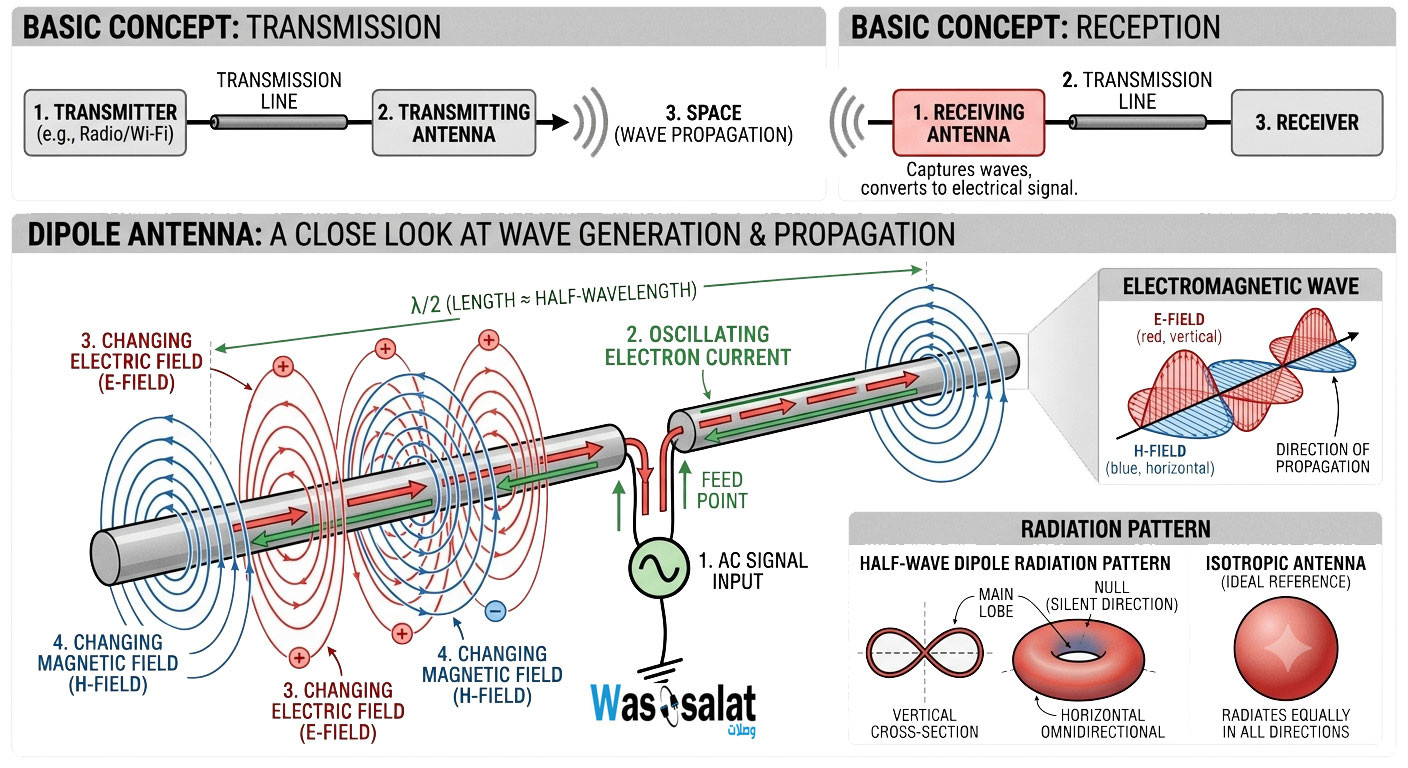
When alternating current flows through an antenna conductor, it generates changing electric and magnetic fields. These fields propagate away from the antenna as electromagnetic waves traveling at the speed of light.
On the receiving side, incoming electromagnetic waves induce electrical currents in the receiving antenna. These electrical signals are then processed by radios, receivers, or communication equipment.
The efficiency of this energy conversion depends on several factors:
- Operating frequency
- Antenna dimensions
- Material quality
- Ground plane
- Polarization
- Impedance matching
- Feed line quality
Proper antenna selection and installation help maximize signal strength while minimizing power loss.
Understanding Frequency and Wavelength
Every antenna is designed to operate efficiently over a specific frequency range. Frequency and wavelength are inversely related, meaning higher frequencies have shorter wavelengths.
The relationship is expressed as:
Wavelength (λ) = Speed of Light / Frequency
For example:
| Frequency | Approximate Wavelength |
|---|---|
| 30 MHz | 10 meters |
| 100 MHz | 3 meters |
| 433 MHz | 69 cm |
| 900 MHz | 33 cm |
| 2.4 GHz | 12.5 cm |
| 5.8 GHz | 5.2 cm |
Many antenna dimensions are calculated as fractions of the operating wavelength, such as quarter-wave or half-wave designs.
Why Antenna Polarization Matters
Polarization refers to the orientation of an antenna's electric field during transmission. Matching the polarization between transmitting and receiving antennas is essential for achieving optimal signal strength.
Common polarization types include:
- Vertical polarization
- Horizontal polarization
- Circular polarization
- Elliptical polarization
A mismatch in polarization can result in significant signal loss, reducing communication reliability and effective range.
Dipole Antenna
The dipole antenna is one of the oldest, simplest, and most widely used antenna designs in radio communications. It serves as the reference antenna for many theoretical calculations and practical antenna measurements.
A basic dipole antenna consists of two equal conductive elements connected to a central feed point. Current flows outward from the center, producing electromagnetic radiation that forms a characteristic doughnut-shaped radiation pattern.
How a Dipole Antenna Works
When RF energy reaches the feed point, current travels in opposite directions along each conductive element. As the alternating current changes direction, electromagnetic waves radiate into space.
Maximum radiation occurs perpendicular to the antenna, while very little radiation occurs along the antenna's axis.
Typical Length
The most common dipole is the half-wave dipole.
Its overall length is approximately:
Length = 143 / Frequency (MHz)
For example:
| Frequency | Total Dipole Length |
|---|---|
| 100 MHz | 1.43 meters |
| 144 MHz | 0.99 meters |
| 433 MHz | 33 centimeters |
| 900 MHz | 16 centimeters |
Radiation Pattern
A dipole antenna produces an omnidirectional radiation pattern in the horizontal plane while exhibiting nulls directly off its ends. This makes it suitable for broad area coverage.
Advantages of Dipole Antennas
- Simple construction
- Low manufacturing cost
- Excellent efficiency
- Predictable radiation characteristics
- Widely used as a reference antenna
- Easy impedance matching
- Suitable for numerous frequency bands
Disadvantages
- Requires more installation space than compact antennas
- Performance depends on mounting height
- Can be affected by nearby metal structures
- Limited directivity
Common Applications
- FM broadcasting
- Amateur radio
- Television reception
- Base station antennas
- Wireless testing laboratories
- Educational RF demonstrations
- Measurement systems
Importance of the RF Feed Cable
Even the highest-quality antenna cannot perform effectively if connected with a poor-quality RF cable. Signal attenuation, impedance mismatch, and connector losses can significantly reduce overall system performance.
Selecting a low-loss coaxial cable with high-quality connectors is just as important as choosing the correct antenna. Factors such as cable length, operating frequency, connector type, and environmental conditions should all be considered during system design.
Professionally manufactured RF cable assemblies help maintain signal integrity while ensuring reliable long-term performance in demanding indoor and outdoor installations.
Coming Next
In the next section, we'll explore Monopole Antennas and Loop Antennas, compare their radiation patterns, advantages, disadvantages, and typical applications, and examine how they differ from dipole antennas in real-world RF systems.
Monopole Antenna
The monopole antenna is one of the most widely used antennas in modern wireless communication. It is essentially one-half of a dipole antenna mounted vertically above a conductive surface known as a ground plane. The ground plane reflects the electromagnetic fields, causing the antenna to behave similarly to a full dipole while requiring only half the physical length.
Because of its compact size, ease of installation, and omnidirectional radiation pattern, the monopole antenna is commonly found in cellular networks, Wi-Fi access points, vehicle communication systems, IoT devices, and handheld radios.
How a Monopole Antenna Works
A monopole antenna consists of a single conductive element connected to the center conductor of a coaxial cable. The cable shield is connected to the ground plane, which acts as the missing half of the antenna.
The alternating RF current flowing through the vertical element generates electromagnetic waves. The conductive ground plane reflects these waves, creating a radiation pattern very similar to that of a dipole antenna.
Quarter-Wave Monopole
The most common monopole design is the quarter-wave antenna.
Length = 71.5 / Frequency (MHz)
Examples include:
| Frequency | Approximate Length |
|---|---|
| 144 MHz | 50 cm |
| 433 MHz | 16.5 cm |
| 868 MHz | 8.2 cm |
| 915 MHz | 7.8 cm |
| 2.4 GHz | 3.1 cm |
Radiation Pattern
A properly installed monopole antenna provides nearly omnidirectional coverage in the horizontal plane, making it ideal when communication is required in all directions around the antenna.
Advantages of Monopole Antennas
- Compact and lightweight design
- Simple installation
- Low manufacturing cost
- Good efficiency with a proper ground plane
- Excellent for mobile applications
- Widely available for many frequency bands
- Compatible with numerous RF connectors
Disadvantages
- Requires an effective ground plane
- Performance decreases without adequate grounding
- Nearby metal objects may alter radiation characteristics
- Lower gain than many directional antennas
Typical Applications
- Vehicle antennas
- Cellular base stations
- Wireless routers
- IoT gateways
- Telemetry systems
- Industrial wireless equipment
- Remote monitoring systems
- Marine communications
Loop Antenna
Unlike dipole and monopole antennas, a loop antenna forms a closed conductive loop. Depending on its size relative to the operating wavelength, it may function as either a small loop antenna or a full-wave loop antenna.
Loop antennas are valued for their compact dimensions, reduced sensitivity to electrical noise, and ability to operate efficiently in specialized applications such as direction finding, RFID systems, and magnetic field measurements.
How a Loop Antenna Works
Current circulates around the closed conductor, generating both electric and magnetic fields. The radiation characteristics depend primarily on the circumference of the loop relative to the wavelength.
Small loops primarily respond to magnetic fields, while larger loops become efficient radiating antennas.
Types of Loop Antennas
- Small Loop
- Full-Wave Loop
- Circular Loop
- Square Loop
- Multi-Turn Loop
- Ferrite Loop
Radiation Pattern
The radiation pattern varies according to loop size and orientation. Small loop antennas often exhibit figure-eight patterns, while full-wave loops provide more uniform radiation and improved efficiency.
Advantages of Loop Antennas
- Compact size
- Low susceptibility to electrical noise
- Good magnetic field sensitivity
- Suitable for indoor installations
- Can be highly directional when properly designed
- Useful for direction-finding applications
Disadvantages
- Lower efficiency for electrically small loops
- Narrow bandwidth
- More complex impedance matching
- Gain is generally lower than larger antennas
Typical Applications
- AM radio receivers
- RFID systems
- NFC devices
- Direction-finding equipment
- Military communications
- Magnetic field sensors
- Portable radio equipment
- Laboratory measurements
Comparison of Dipole, Monopole, and Loop Antennas
| Feature | Dipole | Monopole | Loop |
|---|---|---|---|
| Structure | Two conductive elements | Single element with ground plane | Closed conductive loop |
| Typical Length | Half wavelength | Quarter wavelength | Varies by design |
| Ground Plane Required | No | Yes | No |
| Radiation Pattern | Omnidirectional | Omnidirectional | Depends on loop size |
| Bandwidth | Moderate | Moderate | Narrow to moderate |
| Installation | Moderate | Easy | Easy to moderate |
| Typical Gain | 2.15 dBi | Around 5.15 dBi with ideal ground plane | Varies greatly |
| Common Uses | Broadcasting, amateur radio | Cellular, Wi-Fi, vehicles | RFID, AM radio, NFC |
Selecting the Right Antenna
There is no single antenna that is ideal for every application. The best choice depends on the communication range, operating frequency, available installation space, radiation requirements, environmental conditions, and system budget.
Consider the following questions before selecting an antenna:
- What frequency band will the system operate on?
- Is omnidirectional or directional coverage required?
- Will the antenna be installed indoors or outdoors?
- Is a ground plane available?
- How much installation space is available?
- What communication distance is required?
- Will the antenna operate in a harsh environment?
- Which RF connector type is required?
The Importance of Impedance Matching
Most commercial RF systems are designed around a characteristic impedance of 50 Ohms, while television systems commonly use 75 Ohms. Matching the antenna, coaxial cable, connectors, and radio equipment to the same impedance minimizes signal reflections and maximizes power transfer.
Poor impedance matching increases the Voltage Standing Wave Ratio (VSWR), leading to reduced efficiency, higher losses, and in high-power systems, possible damage to the transmitter.
Using quality RF cable assemblies with the correct impedance and precision-installed connectors helps maintain reliable performance across the entire communication system.
Environmental Considerations
Outdoor antenna installations must withstand wind, rain, dust, ultraviolet exposure, and temperature changes. Choosing weather-resistant materials, corrosion-resistant connectors, and low-loss coaxial cables designed for outdoor use contributes to long-term reliability and reduces maintenance requirements.
Proper cable routing, waterproof sealing, and strain relief are also essential to protect the RF system from moisture ingress and mechanical stress.
Choosing the Best Antenna for Your Application
Selecting the right antenna involves more than simply choosing a design. A successful RF system requires the antenna, coaxial cable, connectors, mounting hardware, and radio equipment to work together efficiently. Even the best antenna cannot deliver optimal performance if the rest of the RF path introduces excessive signal loss.
The following recommendations can help you select the appropriate antenna for your application.
For Wi-Fi Networks
Omnidirectional monopole antennas are commonly used in Wi-Fi routers and access points because they provide 360-degree coverage around the device. In large facilities or warehouses, directional antennas may be used to focus the signal toward specific areas.
For Cellular Infrastructure
Cellular base stations typically use specialized sector antennas, while many mobile and portable devices use compact monopole antennas due to their small size and ease of integration.
For Amateur Radio
Half-wave dipole antennas remain one of the most popular choices for amateur radio operators because they offer reliable performance, straightforward construction, and predictable radiation characteristics.
For RFID and NFC Systems
Loop antennas are widely used because they efficiently couple magnetic fields over short distances, making them ideal for identification systems, access control, and contactless payment technologies.
For Industrial IoT
Compact monopole antennas are frequently selected for industrial sensors and wireless monitoring devices where installation space is limited and omnidirectional coverage is desirable.
Factors That Affect Antenna Performance
Several factors influence the real-world performance of an antenna beyond its basic design.
- Operating frequency
- Antenna height above ground
- Nearby buildings and structures
- Metal objects near the antenna
- Ground plane quality
- Polarization matching
- Coaxial cable loss
- Connector quality
- Weather conditions
- Installation accuracy
Optimizing these factors can often produce greater performance improvements than simply replacing the antenna with a higher-gain model.
Why RF Cable Quality Matters
An antenna system is only as strong as the cable connecting it to the radio equipment. Every meter of coaxial cable introduces some signal attenuation, and this loss increases as operating frequency rises.
Choosing a low-loss RF cable is particularly important for applications operating above 1 GHz, where cable attenuation becomes more significant.
A professionally manufactured cable assembly offers several benefits:
- Stable 50 Ohm impedance
- Low insertion loss
- Reliable shielding against interference
- Precision-installed RF connectors
- Long service life
- Consistent electrical performance
For outdoor installations, selecting UV-resistant jackets, weatherproof connectors, and durable cable materials helps maintain long-term reliability in harsh environments.
Common Antenna Installation Mistakes
Even a high-quality antenna may perform poorly if it is installed incorrectly. Avoiding common installation errors can significantly improve system performance.
- Using the wrong cable impedance
- Installing the antenna too close to metal objects
- Ignoring the required ground plane for monopole antennas
- Using excessively long coaxial cables
- Poor connector installation
- Failing to weatherproof outdoor connections
- Incorrect antenna polarization
- Sharp cable bends that damage the coaxial cable
- Insufficient mechanical support
- Using low-quality RF adapters
Frequently Asked Questions
Which antenna is the simplest to build?
The half-wave dipole is generally considered the simplest antenna to design, construct, and tune. It is widely used for education, amateur radio, and RF testing.
Why does a monopole antenna need a ground plane?
The ground plane acts as the missing half of the antenna. Without it, the radiation pattern, impedance, and efficiency may be significantly affected.
Are loop antennas directional?
Some loop antennas exhibit directional characteristics, particularly electrically small loops used for direction finding. Larger loop antennas may provide broader coverage depending on their design.
Can one antenna operate on multiple frequencies?
Yes. Multiband and broadband antennas are designed to support multiple frequency ranges. However, their performance varies depending on the antenna type and operating band.
What is antenna gain?
Antenna gain describes how effectively an antenna concentrates radio energy in a particular direction compared to a reference antenna. Higher gain can increase communication range but usually reduces coverage in other directions.
Does a better antenna always improve signal quality?
Not necessarily. Cable losses, connector quality, interference, installation height, and antenna positioning all influence overall system performance.
What coaxial cable should I use?
The appropriate cable depends on operating frequency, installation length, environmental conditions, power handling requirements, and connector compatibility. Selecting a low-loss cable matched to your system impedance helps maximize performance.
Conclusion
Dipole, monopole, and loop antennas each offer unique advantages that make them suitable for different wireless communication systems.
Dipole antennas provide reliable, well-understood performance and remain one of the most widely used antenna designs. Monopole antennas offer compact size and omnidirectional coverage, making them ideal for mobile and commercial wireless applications. Loop antennas excel in specialized systems requiring compact dimensions, magnetic field sensitivity, or reduced electrical noise.
Choosing the right antenna should always involve considering the complete RF system, including frequency, installation environment, cable quality, connector selection, and impedance matching. Proper system design helps maximize signal strength, minimize losses, and ensure dependable long-term performance.
Need High-Quality RF Cable Assemblies?
A well-designed antenna deserves an equally reliable RF cable assembly. At Wassalat, we manufacture custom RF coaxial cable assemblies using high-quality cables, precision RF connectors, and rigorous quality control processes to help customers achieve dependable performance across a wide range of wireless communication applications.
Whether you require standard cable assemblies or fully customized solutions, selecting the right cable and connector combination is essential for maintaining signal integrity throughout your RF system.
Suggested Internal Links
- The Complete Guide to Coaxial Cables
- Understanding RF Connectors
- How to Choose the Right Coaxial Cable
- 50 Ohm vs 75 Ohm Coaxial Cable
- What Is VSWR?
- Understanding Cable Attenuation
- Outdoor RF Cable Installation Guide
- How to Select the Right RF Connector
Suggested Images
- Dipole antenna diagram
- Quarter-wave monopole illustration
- Loop antenna construction
- Antenna radiation patterns comparison
- Frequency versus wavelength chart
- RF cable connected to an outdoor antenna
- Professional RF cable assembly
Image ALT Text Suggestions
- Half-wave dipole antenna illustration
- Quarter-wave monopole antenna diagram
- Loop antenna operating principle
- Comparison of dipole monopole and loop antennas
- RF antenna radiation pattern comparison
- Custom RF coaxial cable assembly
- Outdoor antenna connected with low-loss coaxial cable
SEO Checklist
- Primary keyword included in the H1 heading.
- Primary keyword used naturally throughout the content.
- Logical H2 and H3 heading hierarchy.
- Meta title under 60 characters.
- Meta description between 150 and 160 characters.
- Internal linking opportunities included.
- Image ALT text prepared.
- Frequently Asked Questions included.
- Suitable for rich results with FAQ structured data.
- Clean HTML compatible with PrestaShop 9 and ETS Blog.
Posted in:
Antenna
Related posts
-
 The Complete Guide to Antennas
Whether you're installing a WiFi network, deploying LTE equipment, building a CCTV system, or setting up satellite...Read more
The Complete Guide to Antennas
Whether you're installing a WiFi network, deploying LTE equipment, building a CCTV system, or setting up satellite...Read more -
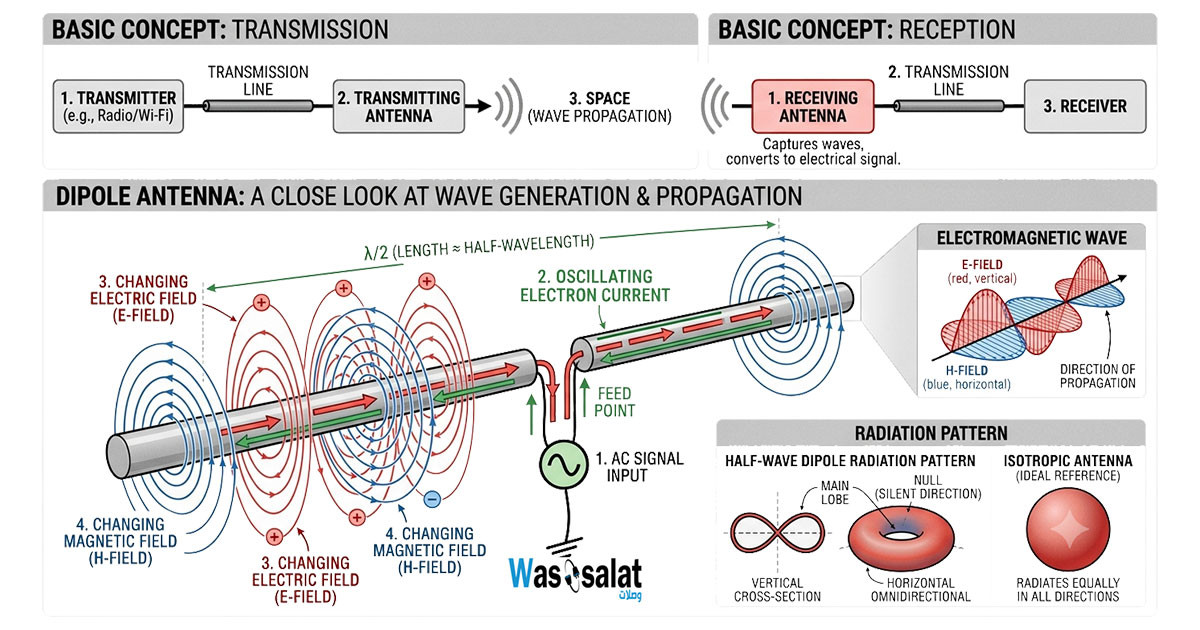 Introduction to Antenna Fundamentals: Types, Applications & How They Work
Learn antenna fundamentals: discover how antennas work, types (dipole, Yagi, parabolic), applications in telecom,...Read more
Introduction to Antenna Fundamentals: Types, Applications & How They Work
Learn antenna fundamentals: discover how antennas work, types (dipole, Yagi, parabolic), applications in telecom,...Read more
Latest posts
-
 Waterproof Coaxial Cable: The Complete GuideRead more
 -
 Testing Coaxial Cable: The Complete GuideRead more
This comprehensive guide covers everything you need to know about testing coaxial cable—from simple continuity checks...
-
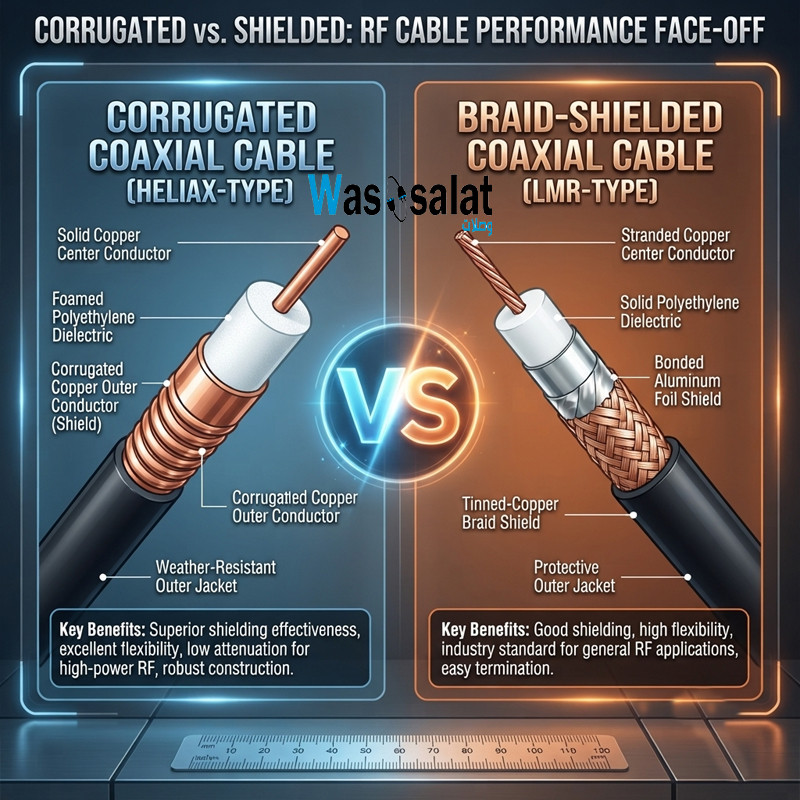 Corrugated Coaxial Cable vs Shielded Coaxial Cable: Complete ComparisonRead more
This comprehensive guide compares both technologies—explaining the differences in construction, performance,...
-
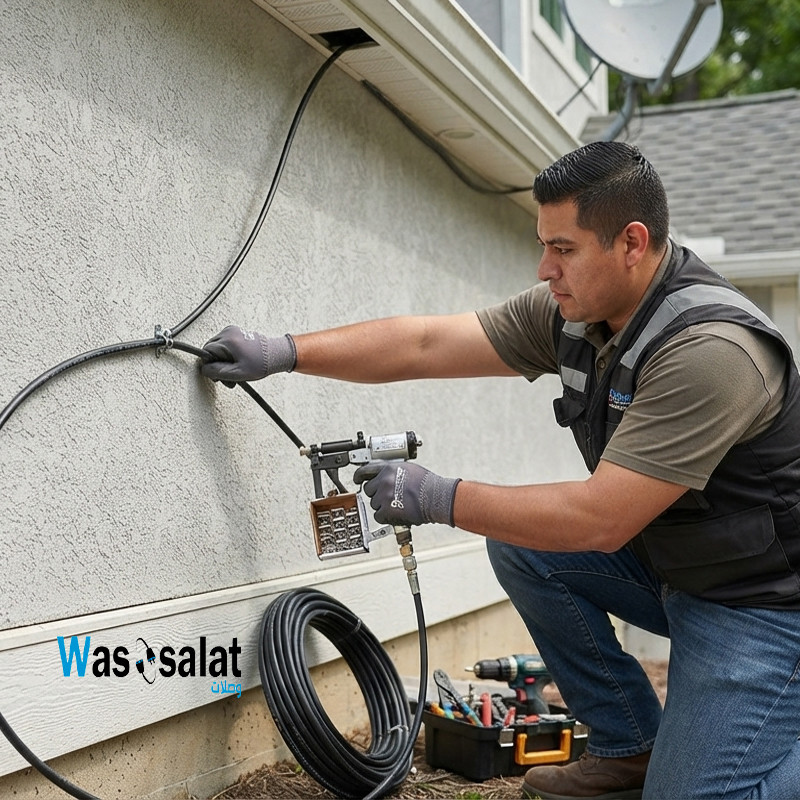 Installing Coaxial Cable: The Complete GuideRead more
This comprehensive guide compares double shield and quad shield coaxial cables—explaining the differences in...
-
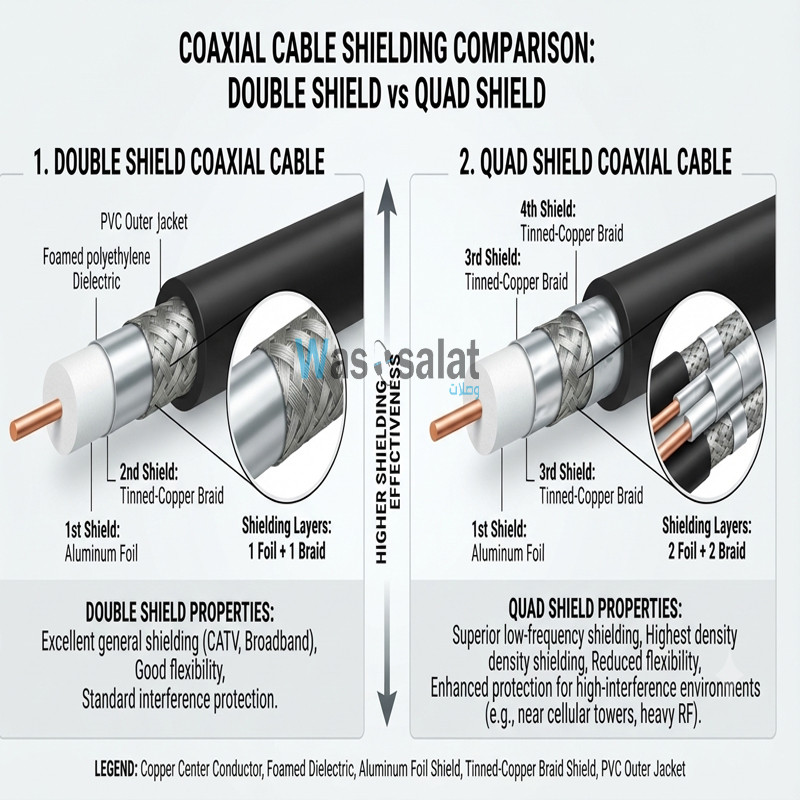 Double Shield vs Quad Shield: Which Coaxial Cable Should You Choose?Read more
This comprehensive guide compares double shield and quad shield coaxial cables—explaining the differences in...
-
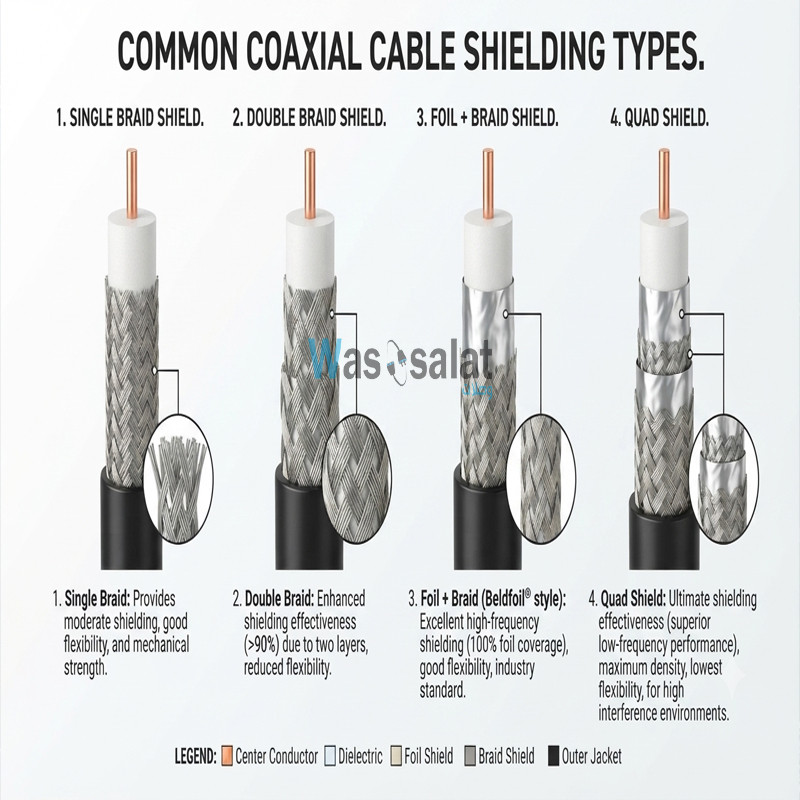 Shielding Types in Coaxial Cables: Complete GuideRead more
This comprehensive guide explains everything you need to know about shielding types—from single shield to quad...
-
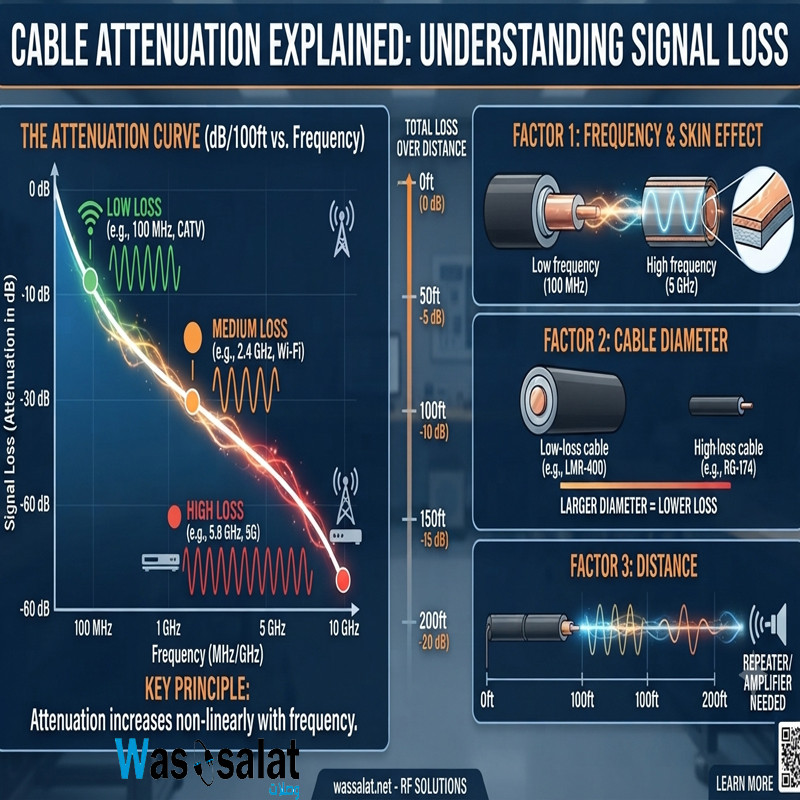 Cable Attenuation Explained: Understanding Signal LossRead more
This comprehensive guide explains everything you need to know about cable attenuation—what it is, what causes it, how...
-
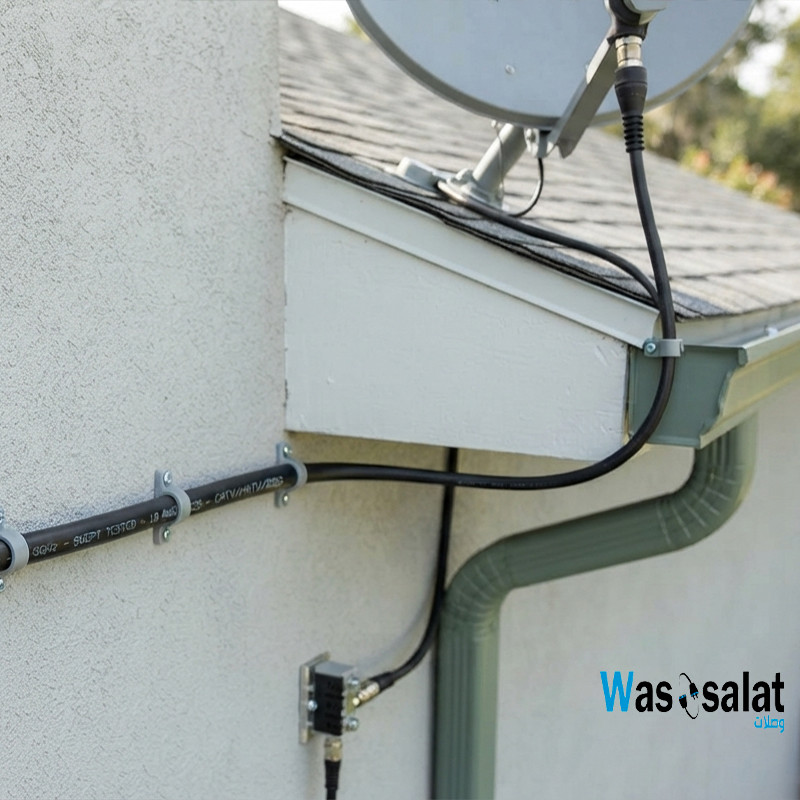 Outdoor Coaxial Cable: Complete Guide & Selection TipsRead more
Choose the right outdoor coaxial cable for your installation. Compare TZC-500/32 vs TZC-500/97, learn about PE...
-
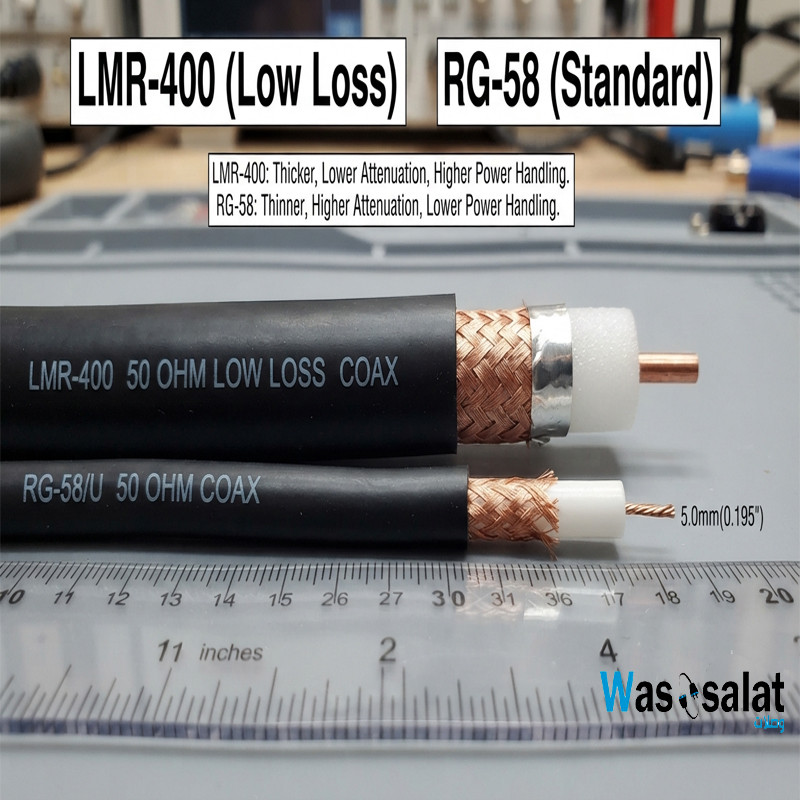 LMR-400 vs RG58: Which Coaxial Cable Should You Choose?Read more
Compare LMR-400 vs RG58 coaxial cables. Learn the differences in signal loss, construction, flexibility, and...
-
 Coax Cable Connectors: Complete Guide to F-Type, BNC, N-Type, SMARead more
Learn about coaxial cable connectors—F-Type, BNC, N-Type, SMA, TNC, and UHF. Compare impedances, frequencies, and...
Leave a comment