

This comprehensive guide covers everything you need to know about waterproof coaxial cables—from understanding water...
RG58 vs RG59 Coaxial Cables: What's the Difference?
RG58 vs RG59 Coaxial Cables: What's the Difference?
Published by Wassalat Technical Team
At first glance, RG58 and RG59 look nearly identical—both are thin, flexible coaxial cables with similar diameters. But beneath the surface, they serve completely different purposes.
This comprehensive guide explains everything you need to know about RG58 vs RG59—including impedance differences, applications, performance, and which one you should choose for your project.

? Table of Contents
What Are RG58 and RG59?
RG58 and RG59 are both thin, flexible coaxial cables with an outer diameter of approximately 0.2 inches (5mm). Despite their similar appearance, they have different impedance values and are designed for entirely different applications.
RG58 – The RF Standard
RG58 is a 50Ω impedance cable designed for radio frequency (RF) applications. It's used in wireless communications, test equipment, and amateur radio installations.
RG59 – The Video Standard
RG59 is a 75Ω impedance cable designed for video transmission. It's commonly used for CCTV, analog video, and short-distance video runs.
? Critical Difference: RG58 is 50Ω and RG59 is 75Ω. These are NOT interchangeable! Using the wrong cable will cause signal loss and reflections.
The Critical Difference: Impedance
Impedance is the single most important difference between RG58 and RG59.
| Property | RG58 | RG59 |
|---|---|---|
| Impedance | 50Ω | 75Ω |
| Primary Use | RF / Radio / Wireless | Video / CCTV / Broadcast |
| Equipment Impedance | 50Ω | 75Ω |
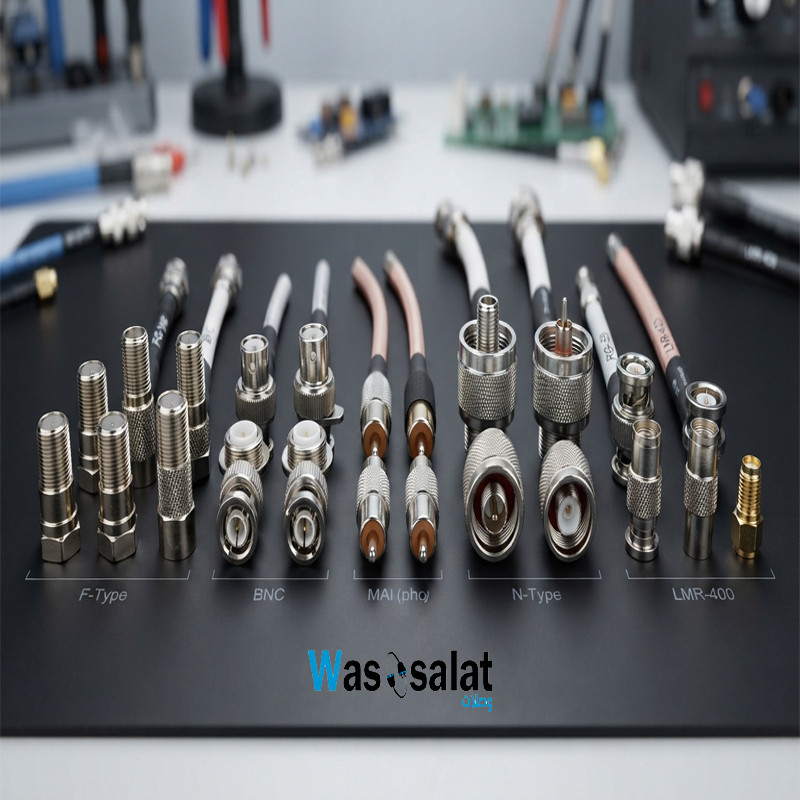
| Common Connectors | BNC (50Ω), SMA, UHF | BNC (75Ω), F-Type, RCA |
⚠️ Warning: The numbers "58" and "59" are similar but the cables are NOT interchangeable. Always match the cable impedance to your equipment!
Construction Differences
While they look similar, RG58 and RG59 have different internal construction.
| Component | RG58 | RG59 |
|---|---|---|
| Center Conductor | 20 AWG (Copper or CCS) | 22 AWG (Copper or CCS) |
| Dielectric Type | Solid PE | Solid PE or Foam PE |
| Dielectric Diameter | 2.95 mm | 3.66 mm |
| Shield Type | Copper Braid (90-95% coverage) | Copper Braid (60-80% coverage) |
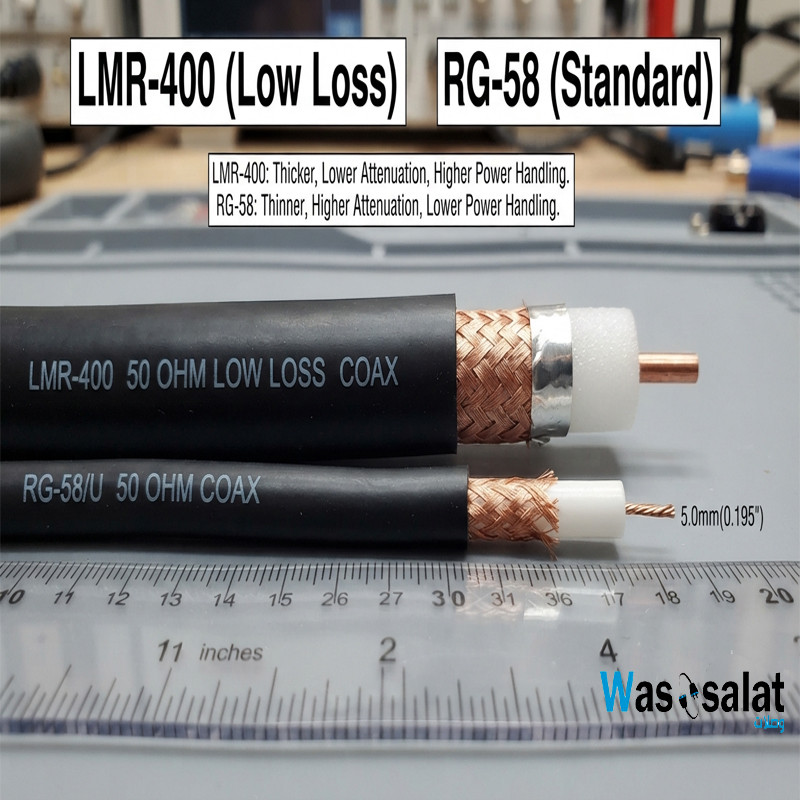
| Outer Diameter | ~5.0 mm (0.195") | ~6.1 mm (0.242") |
| Impedance | 50Ω | 75Ω |
Key Takeaways
- RG58 has a thicker center conductor – 20 AWG vs 22 AWG
- RG59 has better shielding coverage – Usually 60-80% vs 90-95%
- RG59 is slightly thicker – 6.1mm vs 5.0mm
- RG58 has higher power handling – Due to thicker conductor
- RG59 has lower signal loss – Due to 75Ω impedance
Performance Comparison
Despite similar construction, RG58 and RG59 perform very differently because of their impedance.
Signal Loss (Attenuation) Comparison
| Frequency | RG58 (dB/100ft) | RG59 (dB/100ft) | Better Cable |
|---|---|---|---|
| 10 MHz | 1.4 dB | 1.2 dB | RG59 |
| 100 MHz | 4.5 dB | 4.6 dB | RG58 |
| 400 MHz | 9.0 dB | 9.2 dB | RG58 |
| 1 GHz | 15.0 dB | 15.0 dB | Equal |
Other Performance Metrics
| Metric | RG58 | RG59 |
|---|---|---|
| Impedance | 50Ω | 75Ω |
| Max Frequency | 1 GHz | 1 GHz |
| Capacitance | ~24 pF/ft | ~21 pF/ft |
| Velocity of Propagation | ~66% | ~66% |
| Max Power (at 100 MHz) | ~100W | ~50W |
When to Use RG58
RG58 is the go-to cable for 50Ω RF applications. Here's when to use it:
Common Applications
- ? Amateur Radio – HF and VHF radio connections
- ? Laboratory Testing – Oscilloscopes, spectrum analyzers, signal generators
- ? RF Test Equipment – General-purpose RF connections
- ? Short Antenna Feeds – Connecting antennas to receivers or transmitters
- ? Prototyping – Development and testing environments
- ? CB Radios – Citizens Band radio installations
- ? Low-Power Transmitters – Under 100W output
When RG58 is the Right Choice
- Your equipment is 50Ω – Check the output/input impedance
- Short runs under 50 feet – RG58 is perfect for short connections
- Flexibility is important – RG58 is thin and flexible
- Laboratory/Test applications – Standard in most labs
- Cost-effective – RG58 is affordable
✅ Remember: RG58 is 50Ω. Only use it with 50Ω equipment and connectors.
When to Use RG59
RG59 is the standard cable for 75Ω video applications. Here's when to use it:
Common Applications
- ? CCTV Systems – Analog video surveillance (runs under 100 feet)
- ? Analog Video – Composite video connections
- ? Patch Cables – Short video patch connections in studios
- ? Home Video – DVD players, VCRs, game consoles
- ? Consumer Video – Older video equipment
- ? Digital Audio – Some digital audio applications
- ? SDI (Short Runs) – SD-SDI video at short distances
When RG59 is the Right Choice
- Your equipment is 75Ω – Most video equipment is 75Ω
- Short runs under 100 feet – RG59 is good for short video runs
- Flexibility is important – RG59 is thin and flexible
- CCTV installs – Standard for analog CCTV
- Budget-conscious – RG59 is affordable
⚠️ Note: For CCTV runs over 100 feet, upgrade to RG6. RG59 is limited to short distances for video.
Side-by-Side Comparison
| Feature | RG58 | RG59 |
|---|---|---|
| Impedance | 50Ω | 75Ω |
| Center Conductor | 20 AWG (Thicker) | 22 AWG (Thinner) |
| Outer Diameter | ~5.0 mm | ~6.1 mm |
| Shield Coverage | 90-95% | 60-80% |
| Attenuation @ 100 MHz | 4.5 dB/100ft | 4.6 dB/100ft |
| Max Recommended Length | 50-100 ft (RF) | 50-100 ft (Video) |
| Primary Use | RF / Radio | Video / CCTV |
| Common Connectors | BNC (50Ω), SMA | BNC (75Ω), F-Type |
| Cost | Low | Low |
Connector Differences
RG58 and RG59 use different connectors. Here's what you need to know:
RG58 Connectors
- BNC (50Ω) – Standard for RF test equipment and radios
- SMA – Small form factor for compact RF devices
- UHF (PL-259) – Older standard for amateur radio
- TNC – Threaded version of BNC
RG59 Connectors
- BNC (75Ω) – Standard for video equipment
- F-Type – For CATV and consumer video
- RCA – Consumer video and audio
? Tip: 75Ω BNC connectors have a smaller center pin. 50Ω BNC connectors have a larger center pin. They are not interchangeable!
Maximum Distance Guide
Both RG58 and RG59 are limited to short distances. For longer runs, consider RG6 or RG11.
| Application | RG58 | RG59 |
|---|---|---|
| RF / Radio (under 100 MHz) | 100 ft | Not Recommended (50Ω mismatch) |
| RF / Radio (100-400 MHz) | 50 ft | Not Recommended |
| CCTV (Analog Video) | Not Recommended (75Ω mismatch) | 50-100 ft |
| Test Equipment / Lab | 10-50 ft | Not Recommended |
Why People Get Confused
It's easy to confuse RG58 and RG59 for several reasons:
1. Similar Names
RG58 and RG59 are only one number apart. It's easy to misremember which is which.
2. Similar Appearance
Both are thin, flexible cables with black jackets. You can't tell them apart by looking.
3. Similar Diameter
RG58 is 5.0mm and RG59 is 6.1mm. The difference is barely noticeable.
4. Both Use BNC Connectors
Both cables can use BNC connectors, but the connectors have different center pin sizes.
5. Both Are Thin
Compared to RG6 and RG11, both are considered "thin" coaxial cables.
✅ How to Remember:
- RG58 = 5 = 50Ω (starts with 5)
- RG59 = 9 = 75Ω (not as intuitive, but remember: video = 9 = 75Ω)
Frequently Asked Questions (FAQ)
1. What's the main difference between RG58 and RG59?
RG58 is 50Ω (RF applications) and RG59 is 75Ω (video applications). They are not interchangeable.
2. Can I use RG58 for CCTV?
No. CCTV equipment expects 75Ω impedance. Using 50Ω RG58 will cause signal reflections and poor video quality.
3. Can I use RG59 for my radio?
No. Radio equipment expects 50Ω impedance. Using 75Ω RG59 will cause impedance mismatch and power loss.
4. Which cable has less signal loss, RG58 or RG59?
At most frequencies, they are similar. At lower frequencies (under 100 MHz), RG59 has slightly lower loss. At higher frequencies, RG58 performs slightly better.
5. Can I mix RG58 and RG59 with adapters?
Not recommended. Even with adapters, impedance mismatch causes signal loss and reflections.
6. How far can I run RG58 for RF?
For frequencies under 100 MHz, up to 100 feet. For higher frequencies (400 MHz+), limit to 50 feet or less.
7. How far can I run RG59 for CCTV?
For analog CCTV, limit RG59 to 100 feet or less. For runs longer than that, upgrade to RG6.
8. Can I use RG58 with SMA connectors?
Yes, RG58 is commonly used with SMA connectors for WiFi and RF applications.
9. Is RG59 still used today?
Yes, but less frequently. RG6 has largely replaced RG59 for most video applications because it supports longer runs and higher frequencies.
10. Which is thicker, RG58 or RG59?
RG59 is slightly thicker (6.1mm vs 5.0mm).
11. What does "RG" stand for?
"RG" stands for "Radio Guide" – an old military designation for coaxial cables.
12. Which cable should I choose for my project?
Match your cable to your equipment impedance:
- 50Ω equipment → Use RG58
- 75Ω equipment → Use RG59
? Related Articles
- Complete Guide to Coaxial Cables
- 50 Ohm vs 75 Ohm Coax
- RG6 vs RG11
- Coaxial Cable Connectors Guide
- Cable Attenuation Explained
- Browse Coaxial Cables →
? Need RG58 or RG59 Coaxial Cables?
We stock RG58 for RF applications and RG59 for video applications. Choose the right cable for your equipment.
Last Updated: July 2026
© 2026 Wassalat. All rights reserved.
Posted in:
Coaxial Cables
Related posts
-
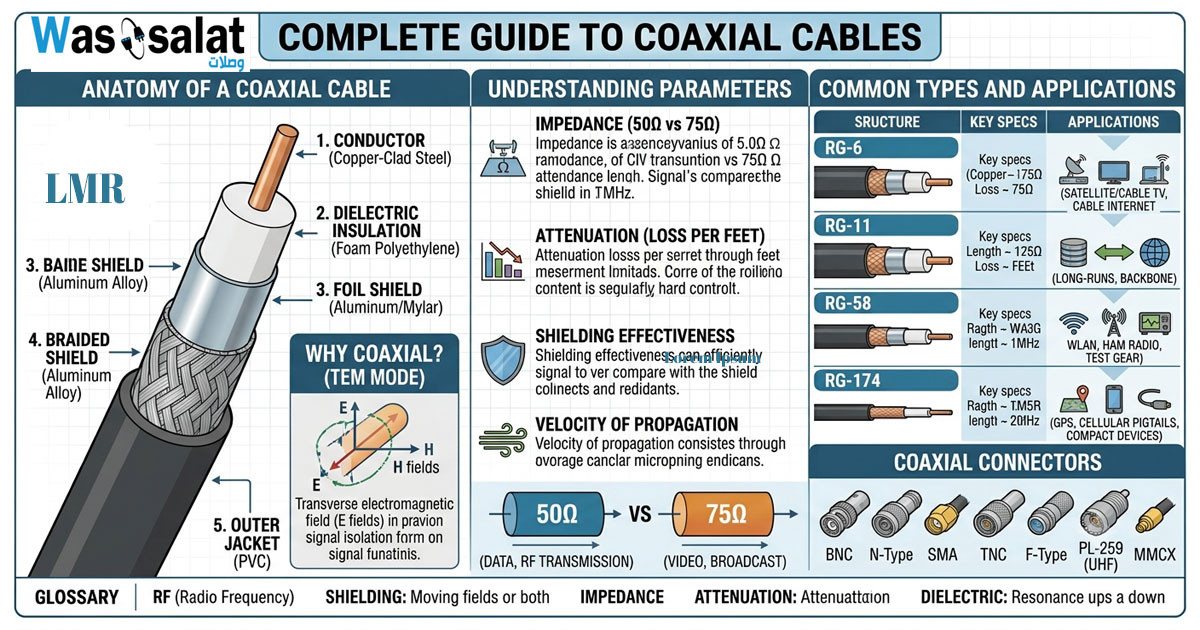 Complete Guide to Coaxial Cables
Everything you need to know about RG-6, LMR-400, impedance, connectors & troubleshooting.Read more
Complete Guide to Coaxial Cables
Everything you need to know about RG-6, LMR-400, impedance, connectors & troubleshooting.Read more -
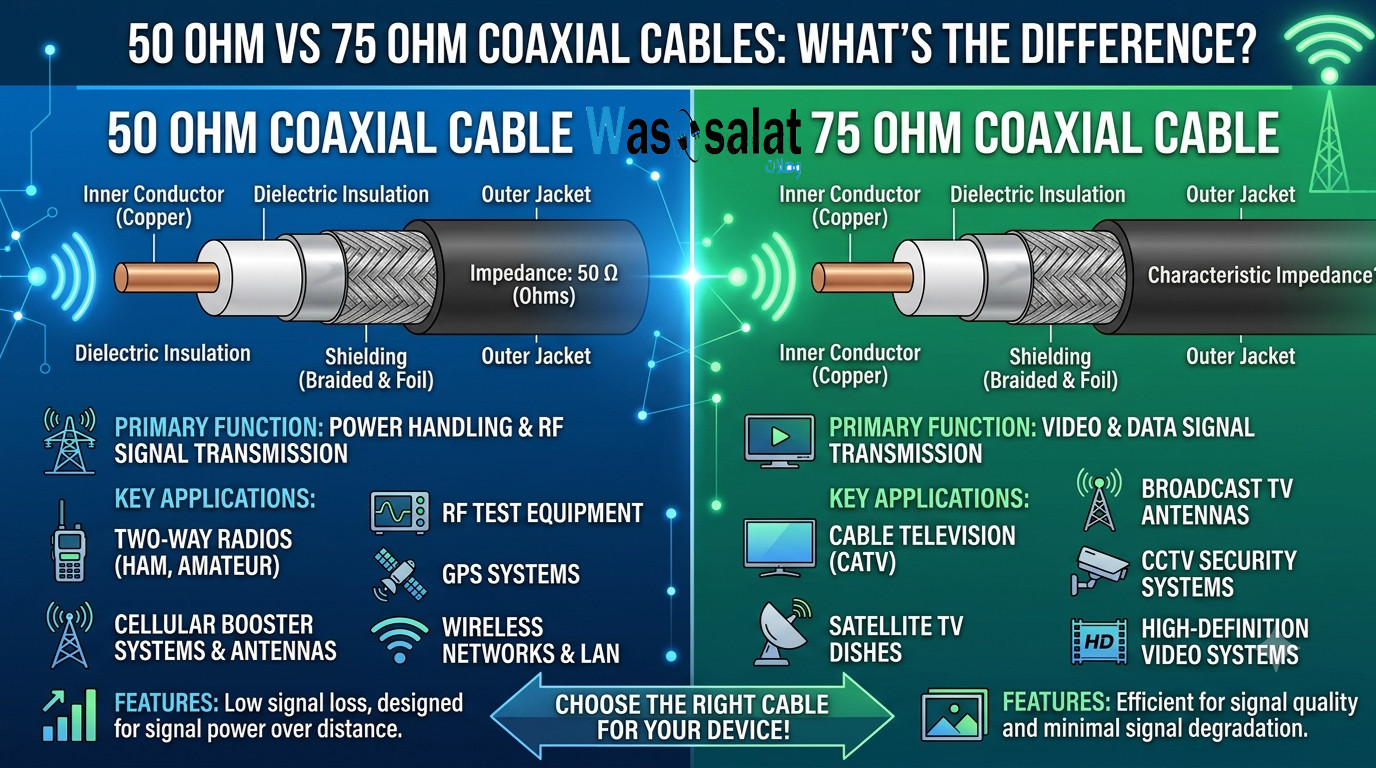 50 Ohm vs 75 Ohm Coaxial Cables: What's the Difference?
Learn the key differences between 50Ω and 75Ω coaxial cables. Find out which impedance you need for WiFi, TV, CCTV,...Read more
50 Ohm vs 75 Ohm Coaxial Cables: What's the Difference?
Learn the key differences between 50Ω and 75Ω coaxial cables. Find out which impedance you need for WiFi, TV, CCTV,...Read more -
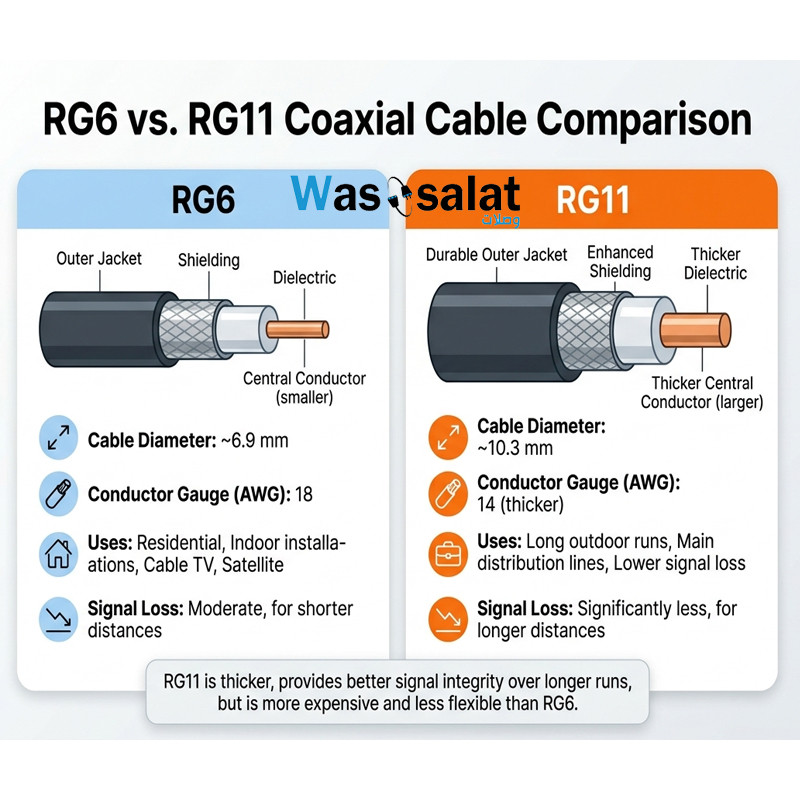 RG6 vs RG11 Coaxial Cables: Which One Do You Need?
Compare RG6 and RG11 coaxial cables. Learn the differences in performance, distance, cost, and when to use each for...Read more
RG6 vs RG11 Coaxial Cables: Which One Do You Need?
Compare RG6 and RG11 coaxial cables. Learn the differences in performance, distance, cost, and when to use each for...Read more -
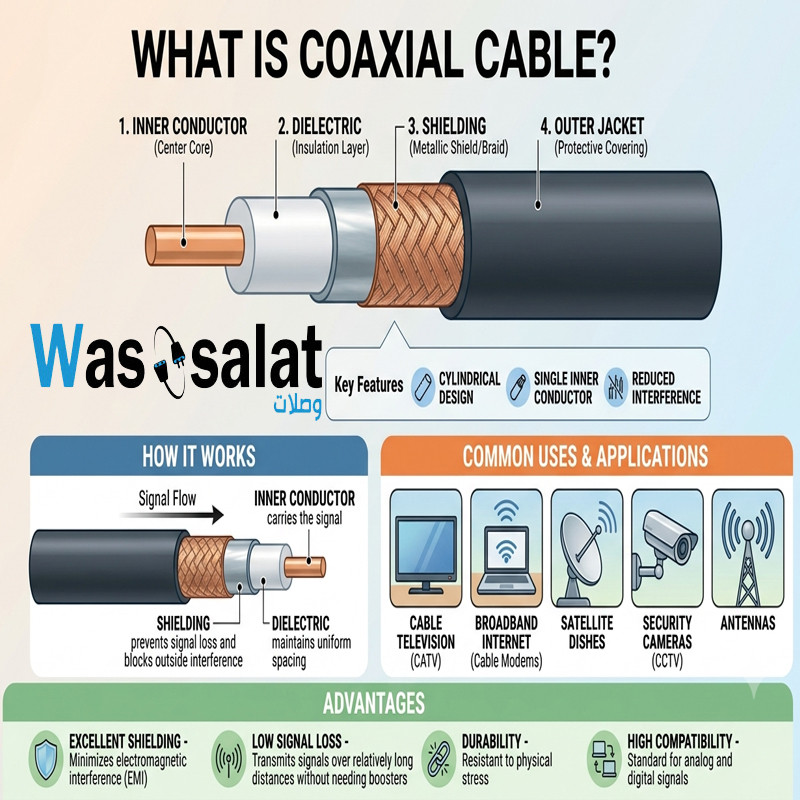 What Is a Coaxial Cable? The Complete Beginner's Guide
Learn what coaxial cables are, how they work, their construction, types, and applications. The beginner's guide to...Read more
What Is a Coaxial Cable? The Complete Beginner's Guide
Learn what coaxial cables are, how they work, their construction, types, and applications. The beginner's guide to...Read more -
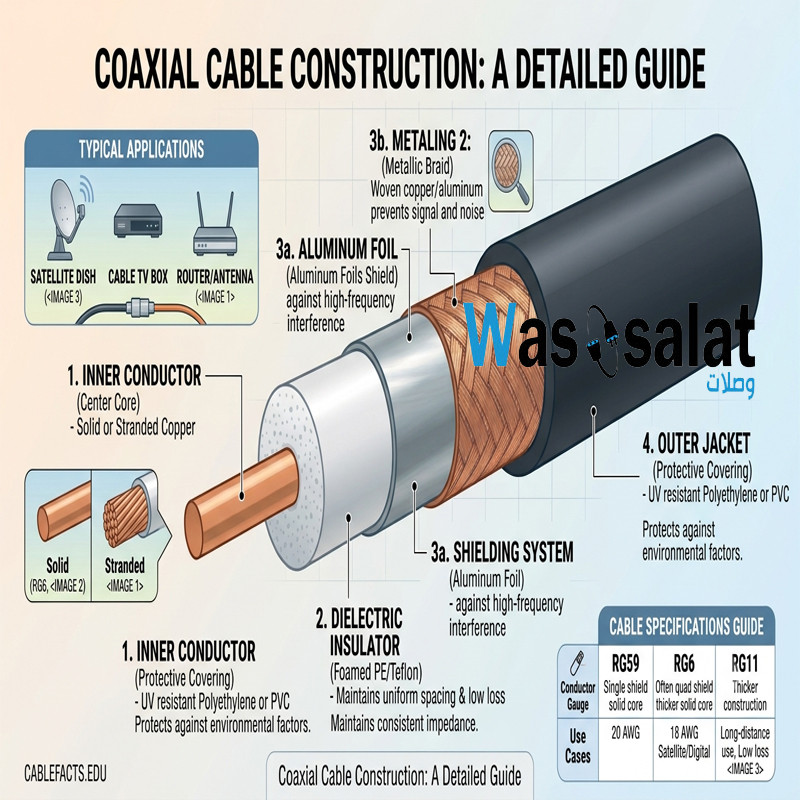 Coaxial Cable Construction: A Complete Layer-by-Layer Breakdown
Learn how coaxial cables are constructed. Understand each layer—conductor, dielectric, shield, and jacket—and how...Read more
Coaxial Cable Construction: A Complete Layer-by-Layer Breakdown
Learn how coaxial cables are constructed. Understand each layer—conductor, dielectric, shield, and jacket—and how...Read more
Latest posts
-
 Waterproof Coaxial Cable: The Complete GuideRead more
 -
 Testing Coaxial Cable: The Complete GuideRead more
This comprehensive guide covers everything you need to know about testing coaxial cable—from simple continuity checks...
-
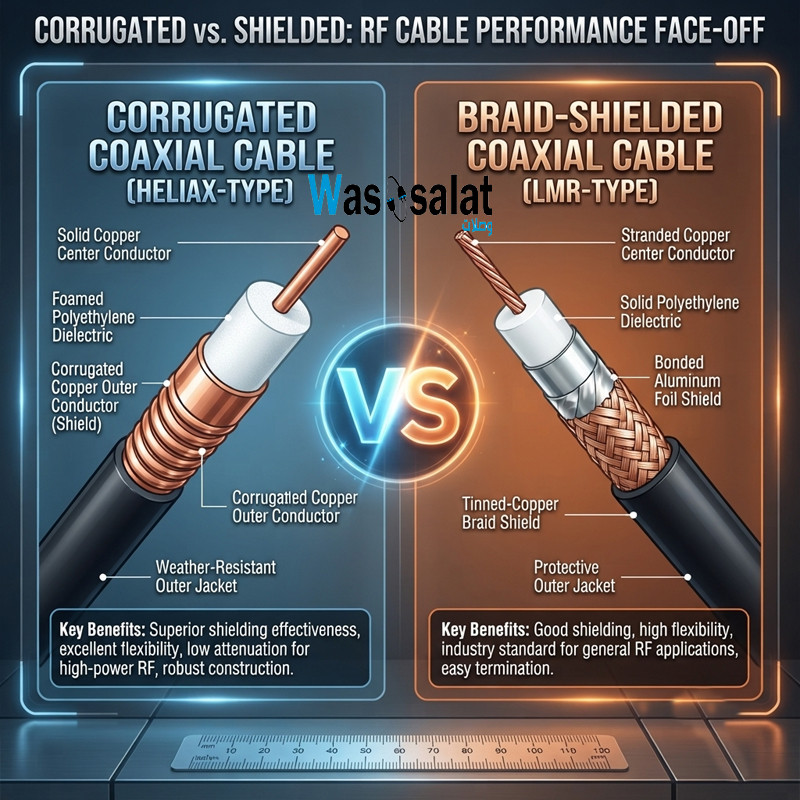 Corrugated Coaxial Cable vs Shielded Coaxial Cable: Complete ComparisonRead more
This comprehensive guide compares both technologies—explaining the differences in construction, performance,...
-
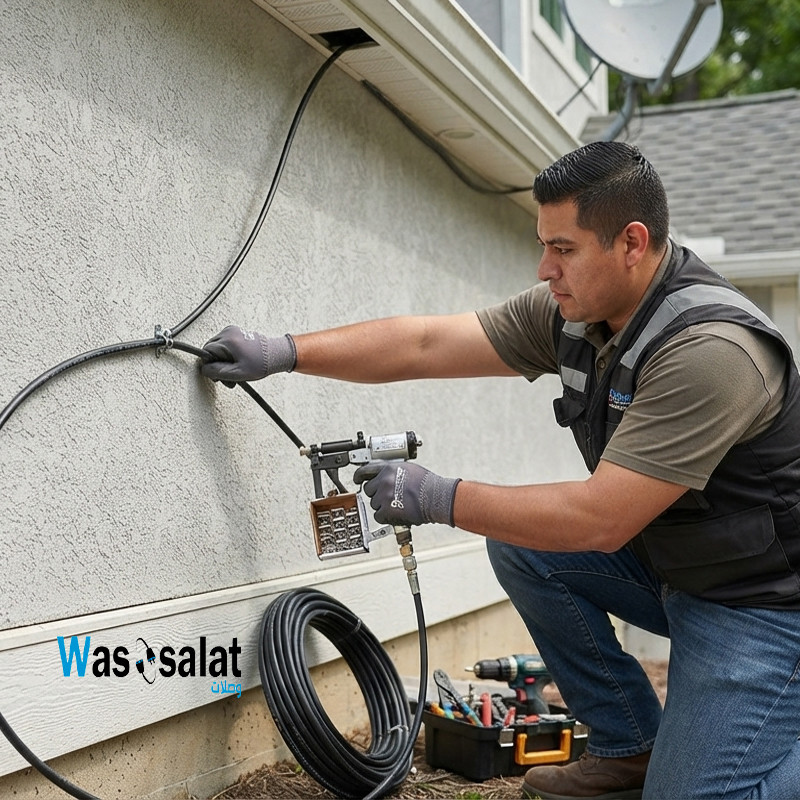 Installing Coaxial Cable: The Complete GuideRead more
This comprehensive guide compares double shield and quad shield coaxial cables—explaining the differences in...
-
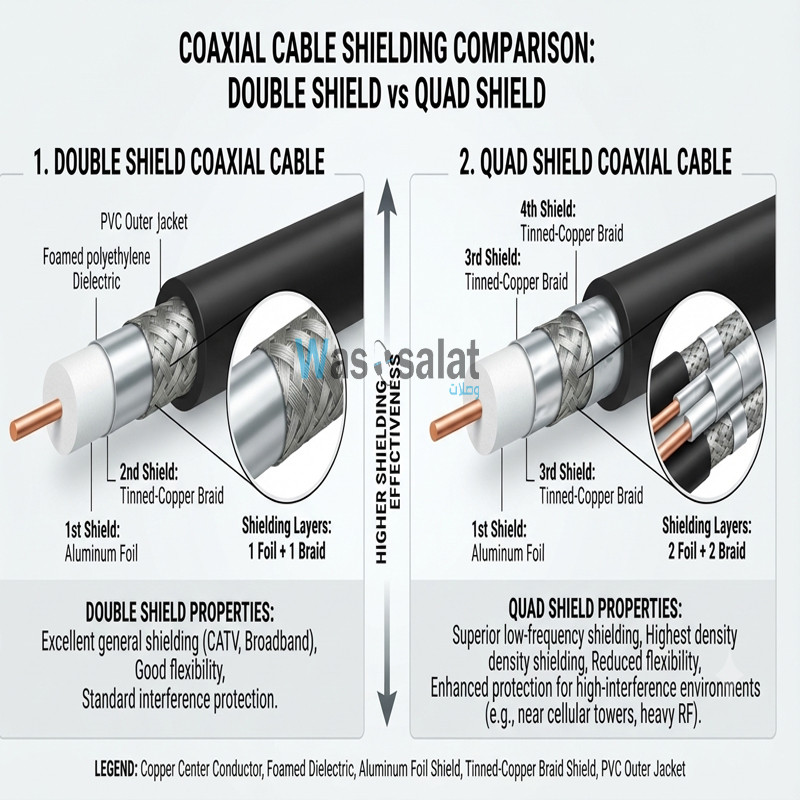 Double Shield vs Quad Shield: Which Coaxial Cable Should You Choose?Read more
This comprehensive guide compares double shield and quad shield coaxial cables—explaining the differences in...
-
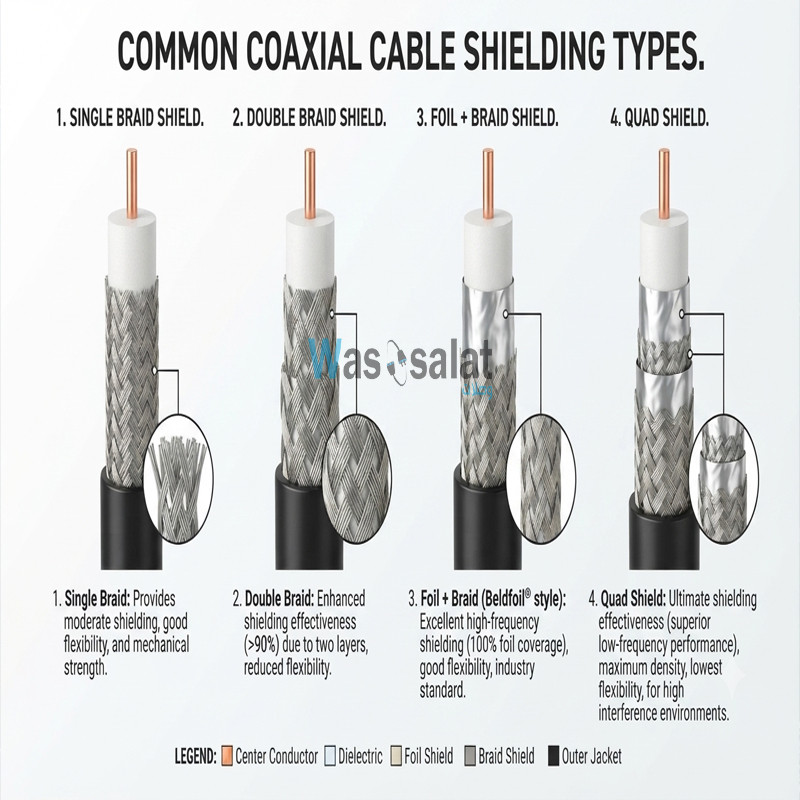 Shielding Types in Coaxial Cables: Complete GuideRead more
This comprehensive guide explains everything you need to know about shielding types—from single shield to quad...
-
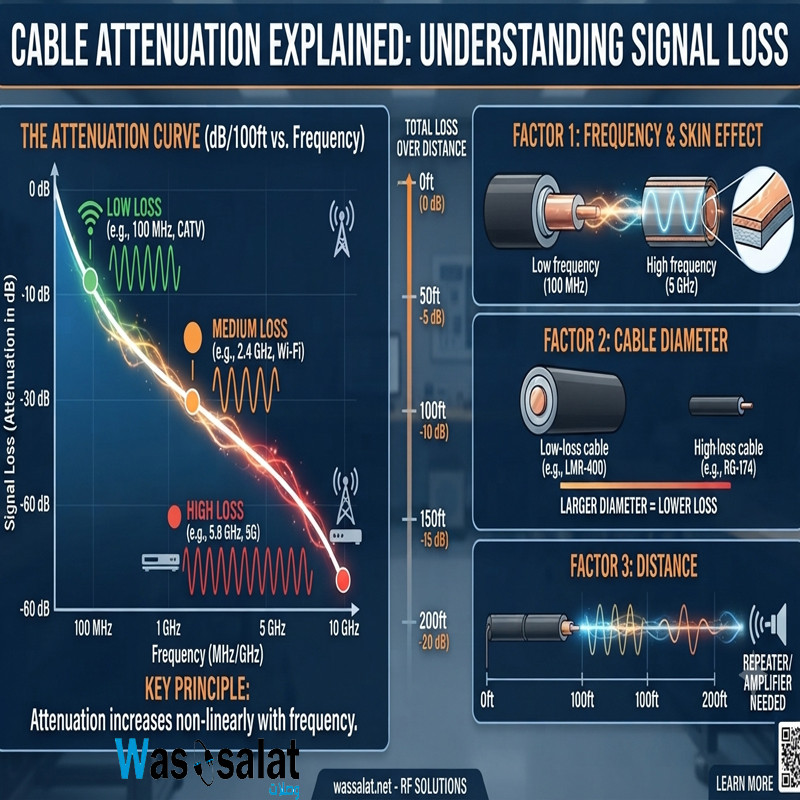 Cable Attenuation Explained: Understanding Signal LossRead more
This comprehensive guide explains everything you need to know about cable attenuation—what it is, what causes it, how...
-
 Outdoor Coaxial Cable: Complete Guide & Selection TipsRead more
Choose the right outdoor coaxial cable for your installation. Compare TZC-500/32 vs TZC-500/97, learn about PE...
-
 LMR-400 vs RG58: Which Coaxial Cable Should You Choose?Read more
Compare LMR-400 vs RG58 coaxial cables. Learn the differences in signal loss, construction, flexibility, and...
-
 Coax Cable Connectors: Complete Guide to F-Type, BNC, N-Type, SMARead more
Learn about coaxial cable connectors—F-Type, BNC, N-Type, SMA, TNC, and UHF. Compare impedances, frequencies, and...
Leave a comment