

This comprehensive guide covers everything you need to know about waterproof coaxial cables—from understanding water...
Best Coax Cable for CCTV: RG6 vs RG59 vs RG11 Guide
Best Coax Cable for CCTV: The Complete Guide
Published by Wassalat Technical Team
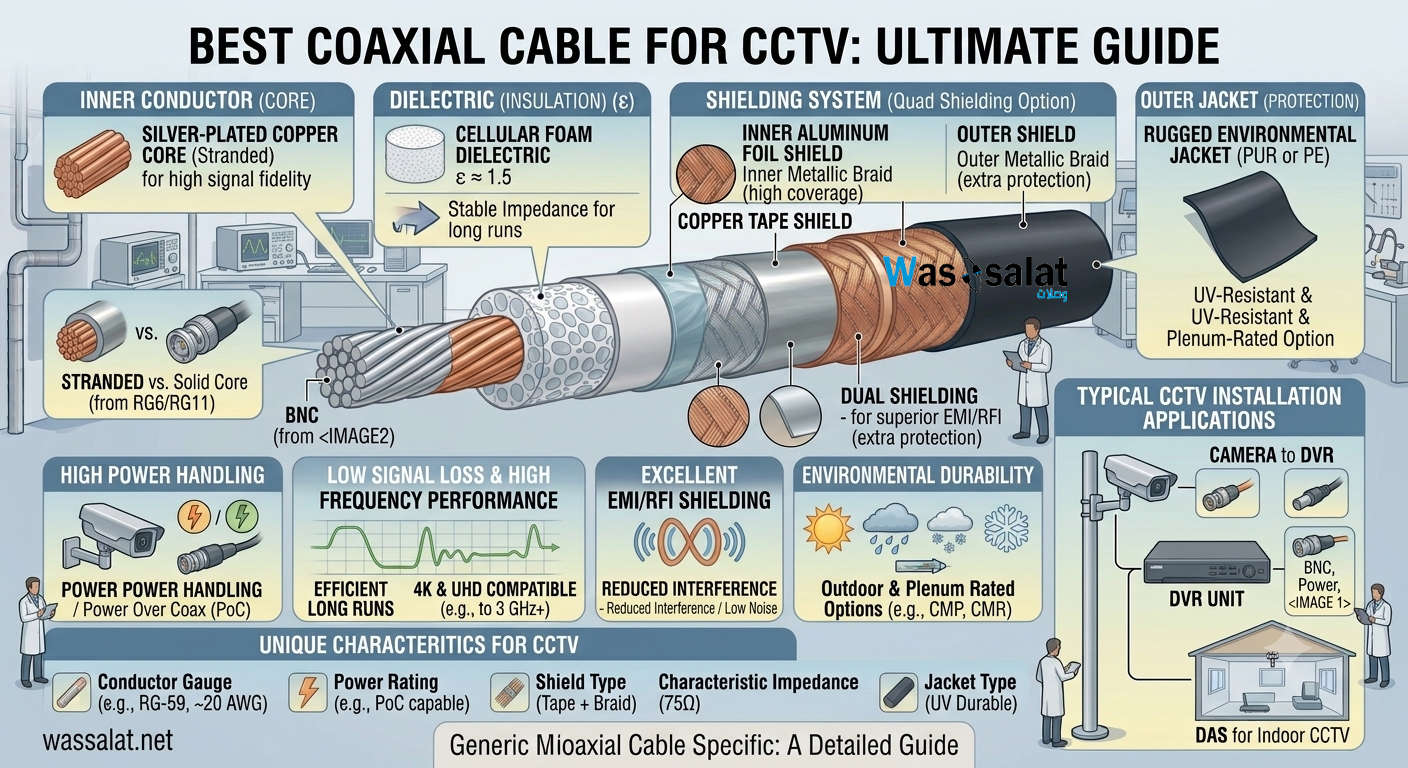
When installing a CCTV system, choosing the right coaxial cable is just as important as choosing the right cameras. The wrong cable can result in grainy video, signal dropouts, and unreliable surveillance footage.
This comprehensive guide covers everything you need to know about selecting coaxial cables for CCTV systems—from analog to HD-SDI, from short runs to long-distance installations.
? Table of Contents
Why Coax Choice Matters for CCTV
CCTV systems rely on analog or digital video signals that are highly susceptible to signal loss and interference. The right cable ensures:
- ? Clear, sharp video quality – No grain or noise
- ? Reliable signal transmission – No dropouts or interruptions
- ? Long cable runs – Camera placement flexibility
- ? Easy installation – Proper connectors and handling
- ? Cost-effective – Right cable for your budget
CCTV Video Types and Requirements
| Video Type | Resolution | Cable Requirement |
|---|---|---|
| Analog CCTV | 480p – 700TVL | RG59 or RG6 (75Ω) |
| AHD | 720p – 4K | RG6 (recommended) |
| HD-CVI | 720p – 4K | RG6 (recommended) |
| HD-TVI | 720p – 4K | RG6 (recommended) |
| SDI / HD-SDI | 1080p – 4K | RG6, RG11, or Belden 1694A |
? Key Insight: Higher resolution CCTV systems require better cables. For 4K and HD-SDI, always use high-quality RG6 or specialized broadcast cables.
The 75Ω Standard
All CCTV equipment uses 75Ω impedance. This includes:
- CCTV cameras (analog and HD)
- DVRs and NVRs
- Video baluns
- BNC connectors
- Video distribution equipment
Using a 50Ω cable (like RG-58) will cause impedance mismatch, signal reflections, and poor video quality. Always use 75Ω cables for CCTV applications.
⚠️ Critical: Never use 50Ω cables for CCTV. Always use 75Ω cables like RG-6, RG-59, or RG-11.
RG59: The Traditional Choice
RG59 has been the standard for CCTV installations for decades. It's a 75Ω cable that's thin, flexible, and easy to work with.
Specifications
| Parameter | RG59 Value |
|---|---|
| Impedance | 75Ω |
| Center Conductor | 22 AWG (Copper or CCS) |
| Outer Diameter | ~6.1 mm (0.242") |
| Attenuation @ 10 MHz | 2.0 dB/100 ft |
| Attenuation @ 100 MHz | 4.6 dB/100 ft |
| Max Recommended Length | 100 ft (Analog), 50 ft (HD) |
RG59 Advantages
- ✅ Flexible – Easy to route in tight spaces
- ✅ Cost-effective – Low cost per foot
- ✅ Easy to terminate – Standard BNC connectors fit easily
- ✅ Lightweight – Easy to handle and install
RG59 Disadvantages
- ❌ Limited distance – Not suitable for long runs
- ❌ Higher attenuation – More signal loss than RG6
- ❌ Not ideal for HD – Struggles with HD video signals
- ❌ Thin conductor – 22 AWG is susceptible to breakage
✅ Recommendation: RG59 is still acceptable for short analog CCTV runs (under 100 ft). For any HD camera or longer run, upgrade to RG6.
RG6: The Modern Standard
RG6 has become the default choice for modern CCTV installations. It offers significantly better performance than RG59 at a modest cost increase.
Specifications
| Parameter | RG6 Value |
|---|---|
| Impedance | 75Ω |
| Center Conductor | 18 AWG (Copper or CCS) |
| Outer Diameter | ~6.9 mm (0.270") |
| Attenuation @ 10 MHz | 1.0 dB/100 ft |
| Attenuation @ 100 MHz | 2.5 dB/100 ft |
| Max Recommended Length | 150-300 ft (Analog), 100-200 ft (HD) |
RG6 Advantages
- ✅ Lower attenuation – Much less signal loss than RG59
- ✅ Longer runs – Can go 150-300 feet for analog video
- ✅ HD ready – Supports AHD, CVI, TVI, and SDI
- ✅ Thicker conductor – 18 AWG is more durable
- ✅ Better shielding – Dual or quad shield options available
- ✅ Future-proof – Supports 4K and higher resolutions
RG6 Disadvantages
- ❌ Less flexible – Slightly stiffer than RG59
- ❌ Slightly more expensive – But still affordable
✅ Recommendation: For most CCTV installations, RG6 is the best choice. It offers the perfect balance of performance, cost, and versatility.
RG11: For Long Distances
RG11 is a thicker, lower-loss cable designed for long-distance video transmission. It's ideal for large properties, campuses, and commercial installations.
Specifications
| Parameter | RG11 Value |
|---|---|
| Impedance | 75Ω |
| Center Conductor | 14 AWG (Copper or CCS) |
| Outer Diameter | ~10.3 mm (0.405") |
| Attenuation @ 10 MHz | 0.6 dB/100 ft |
| Attenuation @ 100 MHz | 1.6 dB/100 ft |
| Max Recommended Length | 400-600 ft (Analog), 200-300 ft (HD) |
RG11 Advantages
- ✅ Very low attenuation – Best performance for long runs
- ✅ Long distances – Can reach up to 600 feet for analog video
- ✅ Thick conductor – 14 AWG is extremely durable
- ✅ Excellent shielding – Typically quad shield available
RG11 Disadvantages
- ❌ Expensive – Significantly more expensive than RG6
- ❌ Hard to install – Stiff and heavy
- ❌ Requires special connectors – RG11-specific BNC or F-type
- ❌ Large bend radius – Requires careful routing
✅ Recommendation: Use RG11 when you need runs over 200 feet for HD video or over 300 feet for analog video. For most installations, RG6 will suffice.
HD-SDI & 4K CCTV Cables
For professional CCTV systems using HD-SDI, 3G-SDI, or 4K signals, specialized cables are required.
1. Belden 1694A
Impedance: 75Ω
Applications: HD-SDI, 3G-SDI, broadcast video
Max Distance: 300 ft (HD-SDI), 150 ft (3G-SDI)
Key Feature: Industry standard for professional video. Low loss, excellent shielding, and precise impedance.
2. Belden 1505A
Impedance: 75Ω
Applications: HD-SDI, flexible installations
Max Distance: 250 ft (HD-SDI)
Key Feature: More flexible than 1694A, good for tight spaces.
3. RG-6 Quad Shield
Impedance: 75Ω
Applications: HD-TVI, HD-CVI, AHD, SDI
Max Distance: 200 ft (HD-SDI), 150 ft (3G-SDI)
Key Feature: Quad shielding provides excellent interference protection.
4. RG-11 for HD-SDI
Impedance: 75Ω
Applications: Long-distance HD-SDI
Max Distance: 400 ft (HD-SDI), 250 ft (3G-SDI)
Key Feature: For runs exceeding RG6 limits.
HD-SDI Cable Distance Chart
| Cable | HD-SDI (1.5 Gbps) | 3G-SDI (3 Gbps) | 6G-SDI (6 Gbps) |
|---|---|---|---|
| Belden 1694A | 300 ft | 150 ft | 75 ft |
| Belden 1505A | 250 ft | 120 ft | 60 ft |
| RG-6 (Quad Shield) | 200 ft | 100 ft | 50 ft |
| RG-11 | 400 ft | 200 ft | 100 ft |
Side-by-Side Comparison
| Feature | RG59 | RG6 | RG11 |
|---|---|---|---|
| Impedance | 75Ω | 75Ω | 75Ω |
| Conductor Size | 22 AWG | 18 AWG | 14 AWG |
| Outer Diameter | 6.1 mm | 6.9 mm | 10.3 mm |
| Loss @ 10 MHz | 2.0 dB/100ft | 1.0 dB/100ft | 0.6 dB/100ft |
| Loss @ 100 MHz | 4.6 dB/100ft | 2.5 dB/100ft | 1.6 dB/100ft |
| Analog Max Length | 100 ft | 300 ft | 600 ft |
| HD Max Length | 50 ft | 200 ft | 400 ft |
| Flexibility | ⭐⭐⭐⭐⭐ | ⭐⭐⭐⭐ | ⭐⭐ |
| Cost | $ | $$ | $$$ |
| Best For | Short analog runs | Most installations | Long distances |
Connector Types for CCTV
1. BNC (Bayonet Neill-Concelman)
Impedance: 75Ω (for CCTV)
Primary Use: CCTV cameras, DVRs, video distribution
Key Feature: Quick connect/disconnect, reliable connection
2. F-Type
Impedance: 75Ω
Primary Use: Some CCTV baluns, video distribution
Key Feature: Screw-on connection, weatherproof
3. RCA
Impedance: 75Ω
Primary Use: Consumer video, some CCTV
Key Feature: Simple push-on connection
BNC vs F-Type for CCTV
| Feature | BNC | F-Type |
|---|---|---|
| Connection Type | Bayonet (Twist & Lock) | Screw-on |
| Typical Use | CCTV, broadcast, test equipment | CATV, satellite, broadband |
| Weatherproof | Varies (waterproof versions available) | Good (compression type) |
| Installation Ease | Moderate | Easy |
Maximum Cable Length Guide
Analog CCTV (480p – 700TVL)
| Cable Type | Maximum Length | Recommended |
|---|---|---|
| RG59 (Solid Copper) | 150 ft | ≤ 100 ft |
| RG6 (Solid Copper) | 400 ft | ≤ 300 ft |
| RG11 | 600 ft | ≤ 500 ft |
HD CCTV (AHD, CVI, TVI – 720p to 4K)
| Cable Type | 720p | 1080p | 4K (8MP) |
|---|---|---|---|
| RG59 | 50-75 ft | 30-50 ft | Not Recommended |
| RG6 | 250 ft | 200 ft | 150 ft |
| RG11 | 450 ft | 350 ft | 250 ft |
| Belden 1694A | 300 ft | 250 ft | 150 ft |
HD-SDI / 3G-SDI
| Cable Type | HD-SDI (1.5 Gbps) | 3G-SDI (3 Gbps) |
|---|---|---|
| Belden 1694A | 300 ft | 150 ft |
| RG6 (Premium) | 200 ft | 100 ft |
| RG11 | 400 ft | 200 ft |
Installation Best Practices
1. Use the Right Cable for the Distance
Don't use RG59 for runs over 100 feet. Upgrade to RG6 or RG11 for longer distances.
2. Minimize Cable Length
Every foot of cable adds signal loss. Plan your installation to use the shortest possible runs.
3. Use Quality Connectors
Cheap connectors cause signal loss. Use compression BNC connectors for reliable connections.
4. Avoid Sharp Bends
Sharp bends can damage the cable and alter impedance. Maintain the manufacturer's bend radius.
5. Use Weatherproof Connectors Outdoors
For outdoor cameras, use weatherproof BNC connectors or apply waterproof tape.
6. Label Your Cables
Label each cable at both ends for easy identification during troubleshooting.
7. Test Your Installation
Use a CCTV test monitor or signal meter to verify video quality after installation.
Frequently Asked Questions (FAQ)
1. Which coaxial cable is best for CCTV?
For most CCTV installations, RG6 is the best choice. It offers excellent performance for both analog and HD systems at a reasonable cost.
2. Can I use RG59 for HD CCTV?
RG59 is not recommended for HD CCTV. For 1080p or higher, use RG6 or RG11. RG59 may work for very short runs (under 50 ft) but performance will be compromised.
3. What is the maximum distance for RG6 CCTV?
For analog CCTV, RG6 can reach 300-400 feet. For HD CCTV (AHD, CVI, TVI), RG6 can reach 150-200 feet depending on resolution.
4. Can I use RG6 for HD-SDI?
Yes, high-quality RG6 with solid copper conductor and dual/quad shielding can support HD-SDI up to 200 feet. For longer runs, use Belden 1694A or RG11.
5. What is the difference between RG59 and RG6 for CCTV?
RG6 has a thicker center conductor (18 AWG vs 22 AWG) and lower signal loss. It supports longer runs and higher resolutions than RG59.
6. Can I use F-Type connectors for CCTV?
F-Type connectors are used with some CCTV baluns and distribution equipment. However, BNC is the standard for CCTV cameras and DVRs.
7. What is the best shielding for CCTV coax?
Quad-shield (foil + braid + foil + braid) offers the best protection against interference. Dual-shield is sufficient for most indoor installations.
8. Can I run CCTV coax next to power cables?
Avoid running coax parallel to power cables. Maintain at least 12 inches of separation. Cross power cables at 90° angles when necessary.
9. How do I terminate CCTV coax?
Use a coaxial stripper to prepare the cable, then attach a compression BNC connector. Always test after termination.
10. Should I use solid or stranded conductor for CCTV?
Solid conductor is better for permanent installations. Stranded is more flexible and better for patch cables and mobile use.
? Related Articles
- Complete Guide to Coaxial Cables
- RG6 vs RG11
- RG58 vs RG59
- Coaxial Cable Impedance
- 50 Ohm vs 75 Ohm Coax
- Browse Coaxial Cables →
? Need CCTV Coaxial Cables?
We stock high-quality RG6 and RG11 cables for all CCTV applications—from analog cameras to 4K HD-SDI systems. Choose from solid copper, dual-shield, and quad-shield options.
Last Updated: July 2026
© 2026 Wassalat. All rights reserved.
Posted in:
Coaxial Cables
Related posts
-
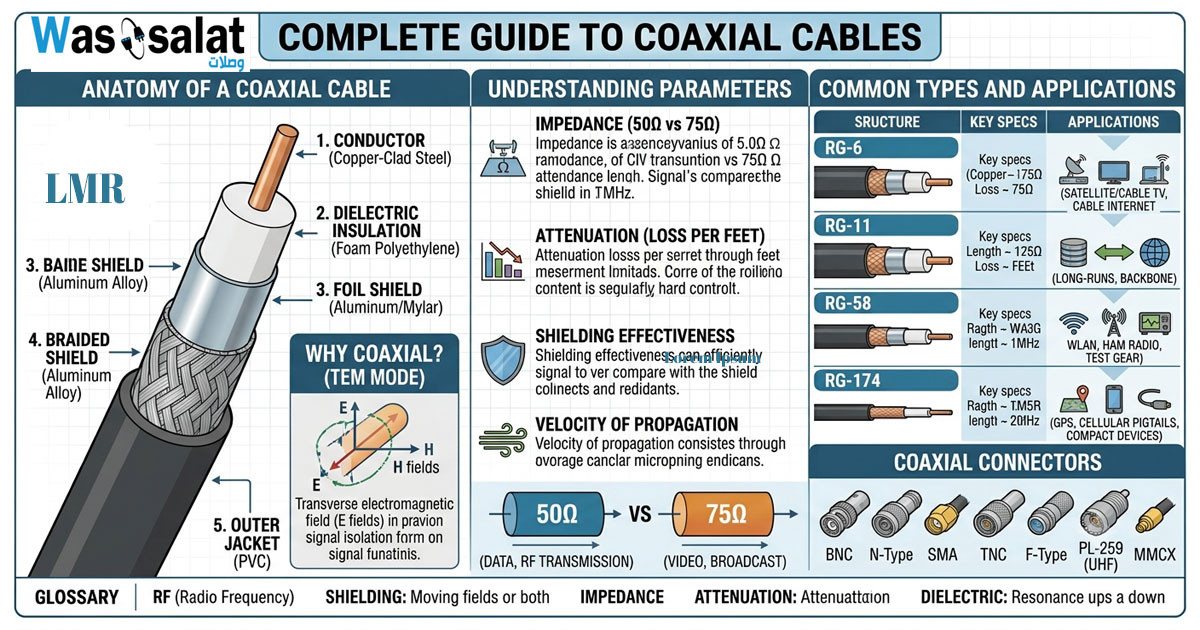 Complete Guide to Coaxial Cables
Everything you need to know about RG-6, LMR-400, impedance, connectors & troubleshooting.Read more
Complete Guide to Coaxial Cables
Everything you need to know about RG-6, LMR-400, impedance, connectors & troubleshooting.Read more -
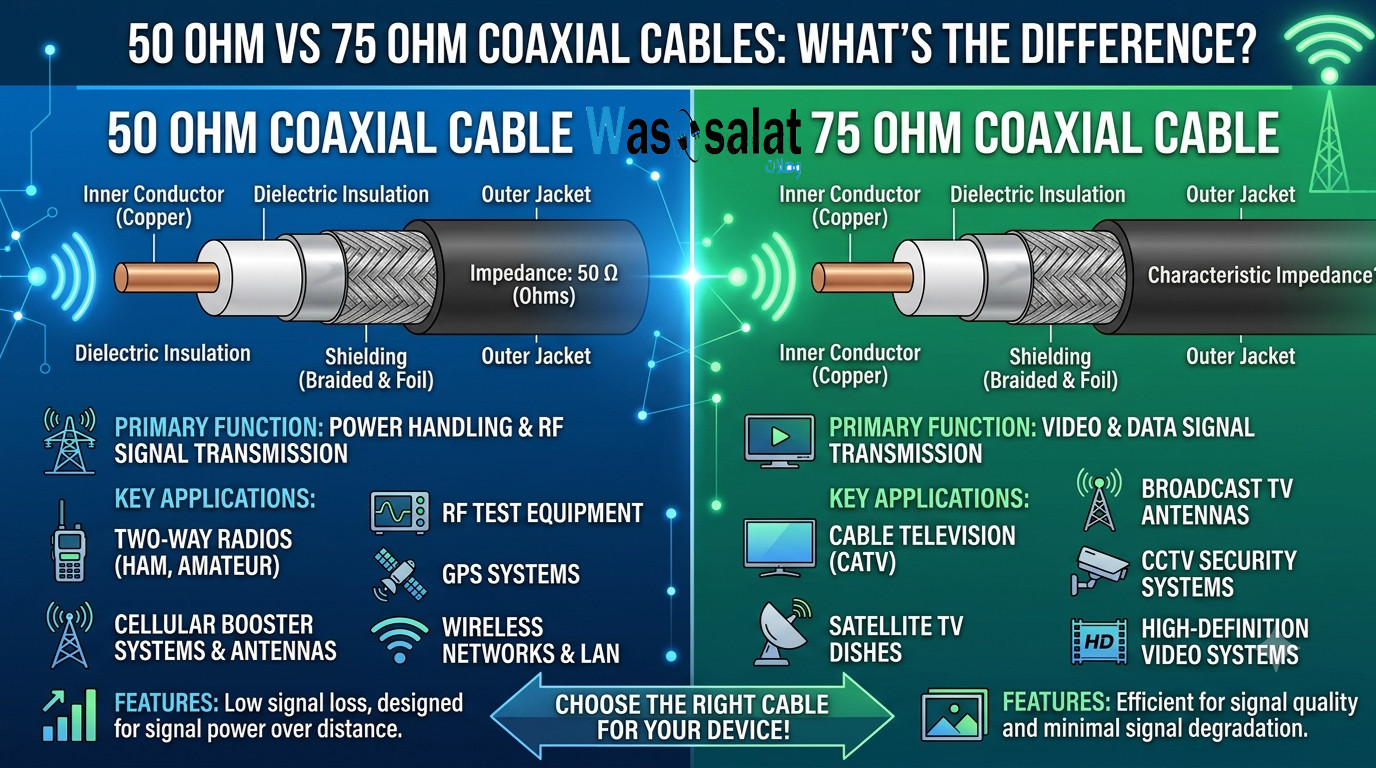 50 Ohm vs 75 Ohm Coaxial Cables: What's the Difference?
Learn the key differences between 50Ω and 75Ω coaxial cables. Find out which impedance you need for WiFi, TV, CCTV,...Read more
50 Ohm vs 75 Ohm Coaxial Cables: What's the Difference?
Learn the key differences between 50Ω and 75Ω coaxial cables. Find out which impedance you need for WiFi, TV, CCTV,...Read more -
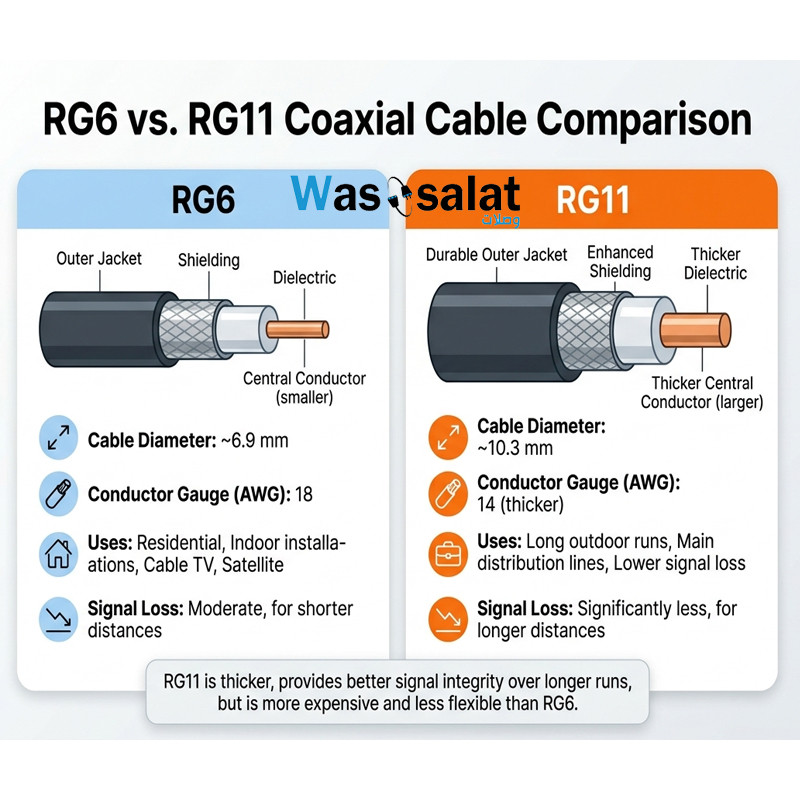 RG6 vs RG11 Coaxial Cables: Which One Do You Need?
Compare RG6 and RG11 coaxial cables. Learn the differences in performance, distance, cost, and when to use each for...Read more
RG6 vs RG11 Coaxial Cables: Which One Do You Need?
Compare RG6 and RG11 coaxial cables. Learn the differences in performance, distance, cost, and when to use each for...Read more -
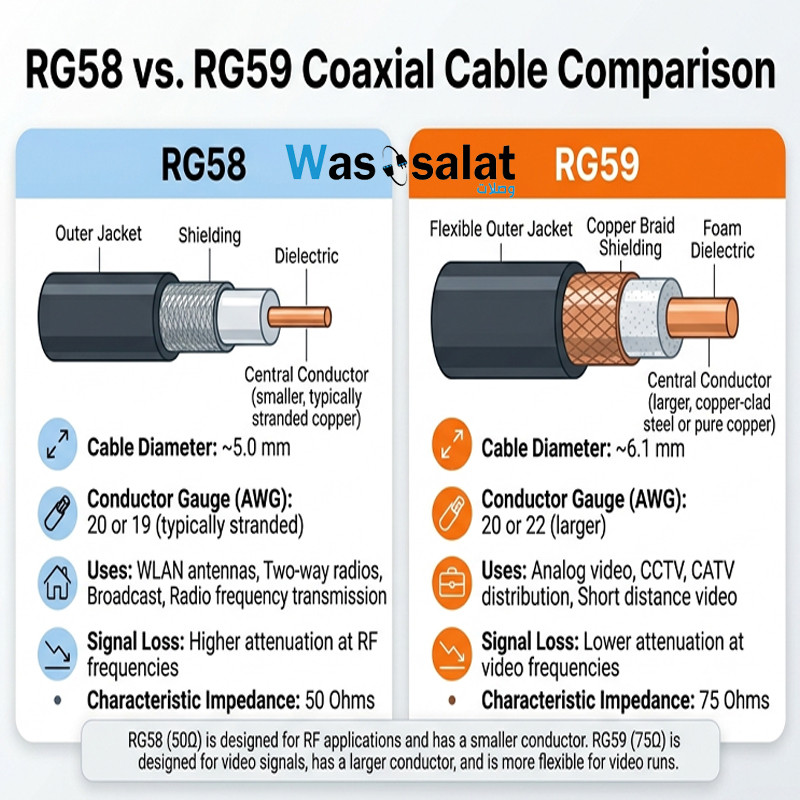 RG58 vs RG59 Coaxial Cables: What's the Difference?
Compare RG58 and RG59 coaxial cables. Learn the critical impedance difference, applications for RF vs video, and...Read more
RG58 vs RG59 Coaxial Cables: What's the Difference?
Compare RG58 and RG59 coaxial cables. Learn the critical impedance difference, applications for RF vs video, and...Read more -
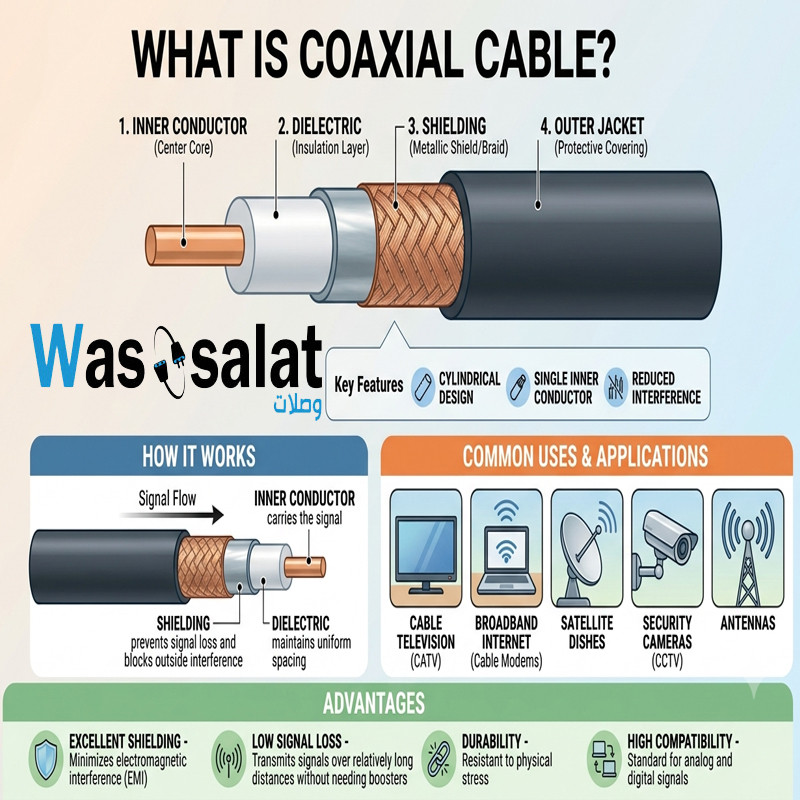 What Is a Coaxial Cable? The Complete Beginner's Guide
Learn what coaxial cables are, how they work, their construction, types, and applications. The beginner's guide to...Read more
What Is a Coaxial Cable? The Complete Beginner's Guide
Learn what coaxial cables are, how they work, their construction, types, and applications. The beginner's guide to...Read more
Latest posts
-
 Waterproof Coaxial Cable: The Complete GuideRead more
 -
 Testing Coaxial Cable: The Complete GuideRead more
This comprehensive guide covers everything you need to know about testing coaxial cable—from simple continuity checks...
-
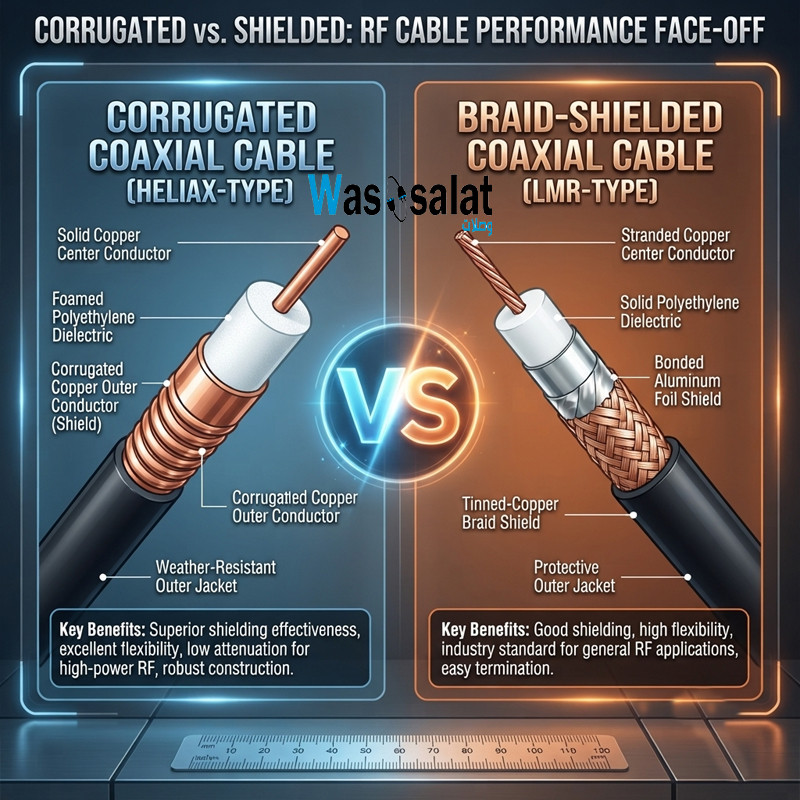 Corrugated Coaxial Cable vs Shielded Coaxial Cable: Complete ComparisonRead more
This comprehensive guide compares both technologies—explaining the differences in construction, performance,...
-
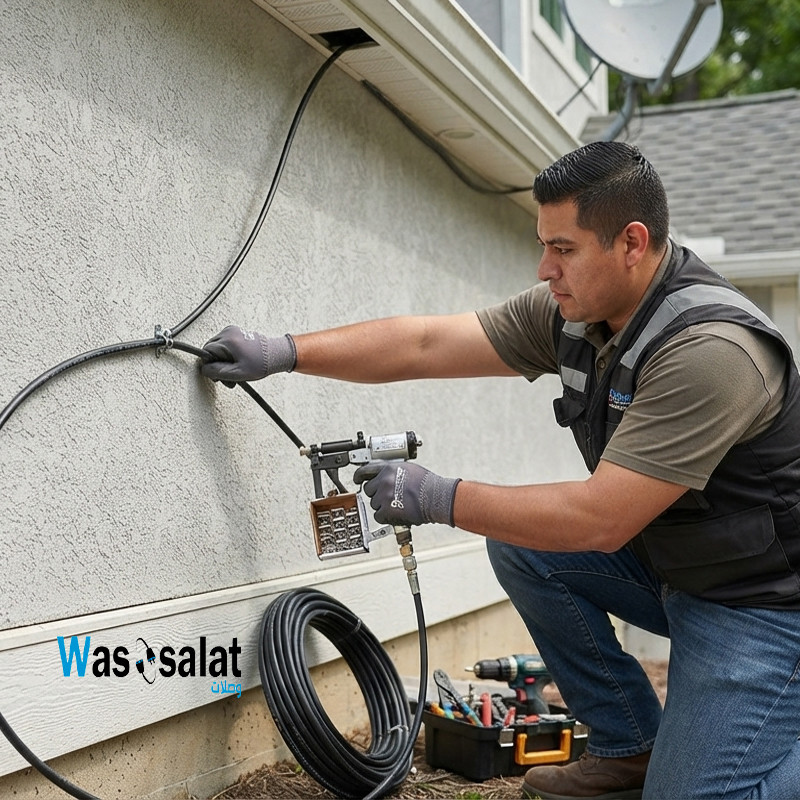 Installing Coaxial Cable: The Complete GuideRead more
This comprehensive guide compares double shield and quad shield coaxial cables—explaining the differences in...
-
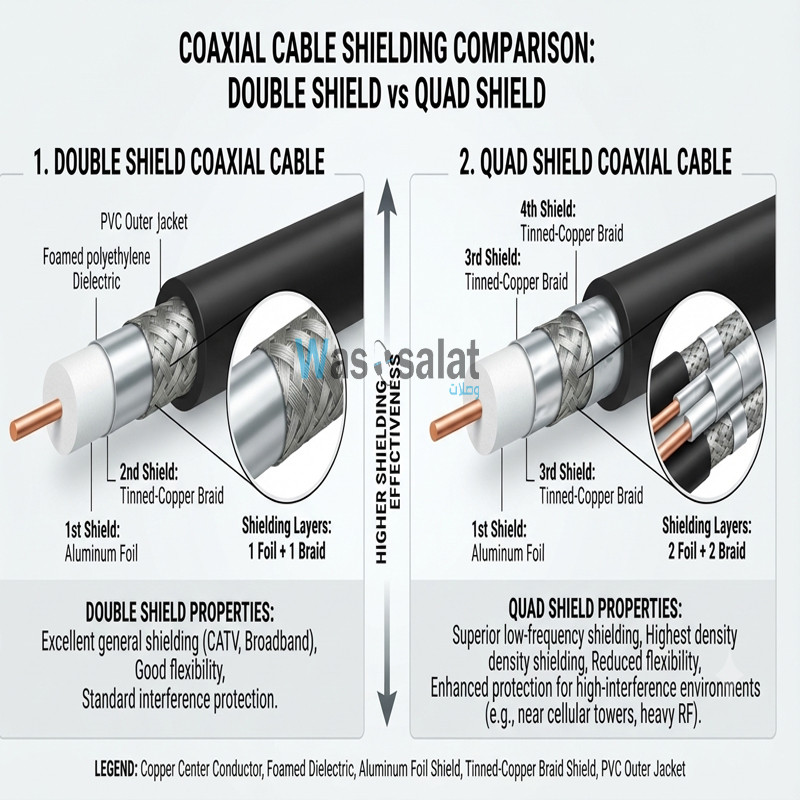 Double Shield vs Quad Shield: Which Coaxial Cable Should You Choose?Read more
This comprehensive guide compares double shield and quad shield coaxial cables—explaining the differences in...
-
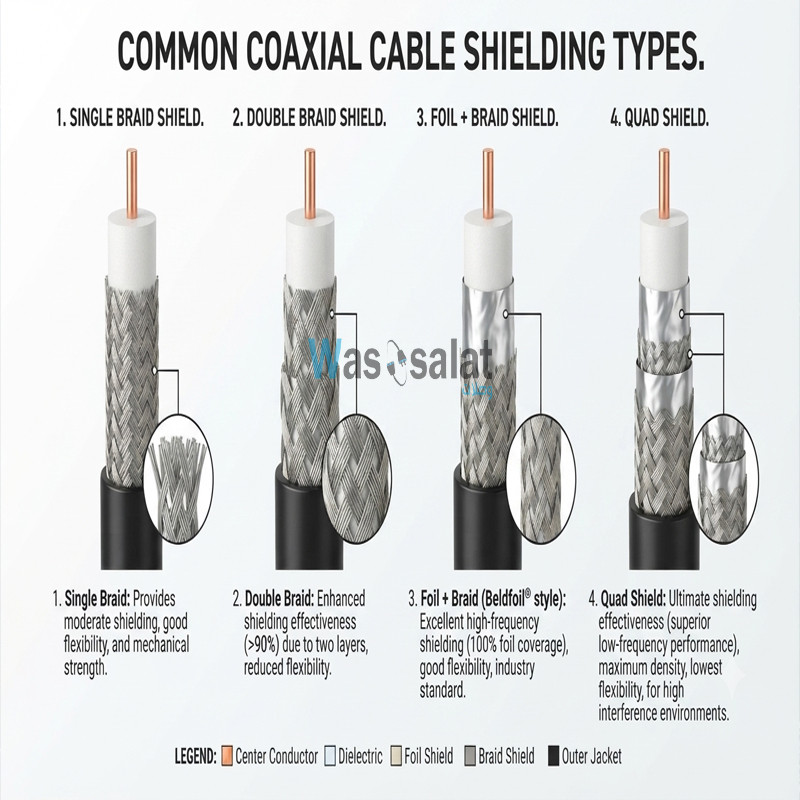 Shielding Types in Coaxial Cables: Complete GuideRead more
This comprehensive guide explains everything you need to know about shielding types—from single shield to quad...
-
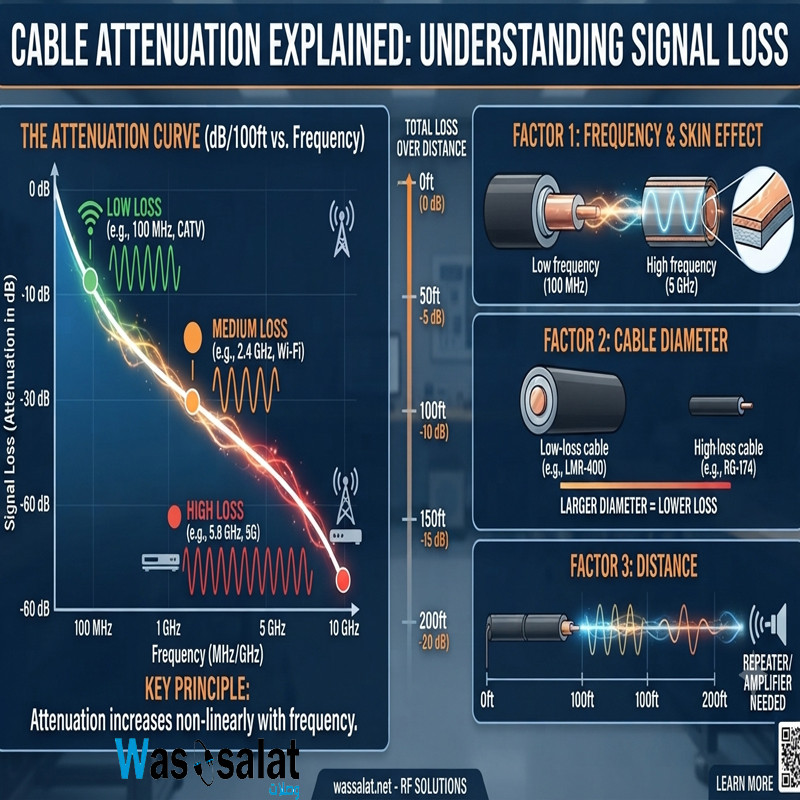 Cable Attenuation Explained: Understanding Signal LossRead more
This comprehensive guide explains everything you need to know about cable attenuation—what it is, what causes it, how...
-
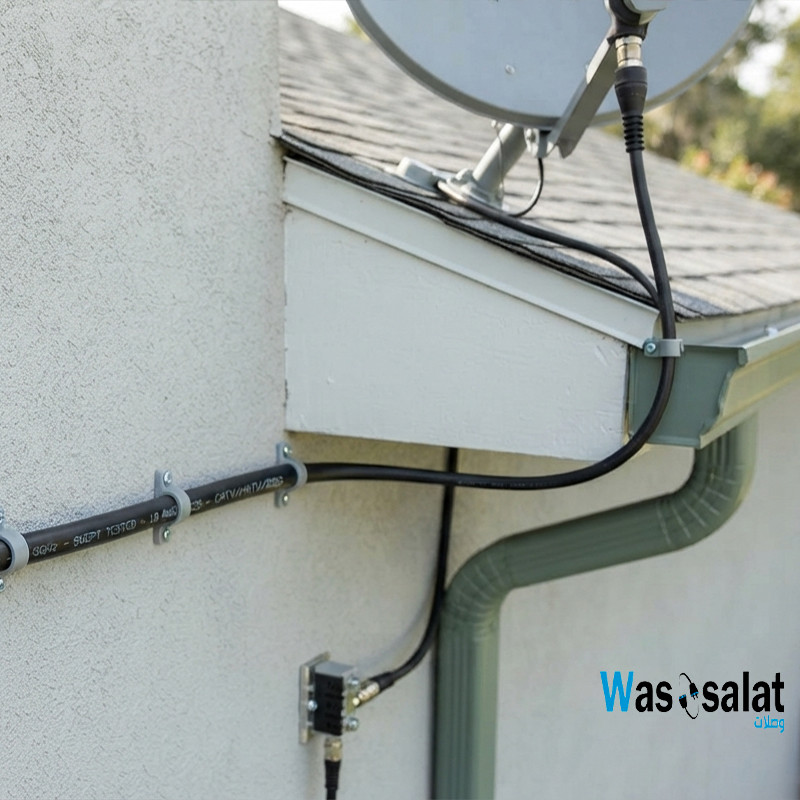 Outdoor Coaxial Cable: Complete Guide & Selection TipsRead more
Choose the right outdoor coaxial cable for your installation. Compare TZC-500/32 vs TZC-500/97, learn about PE...
-
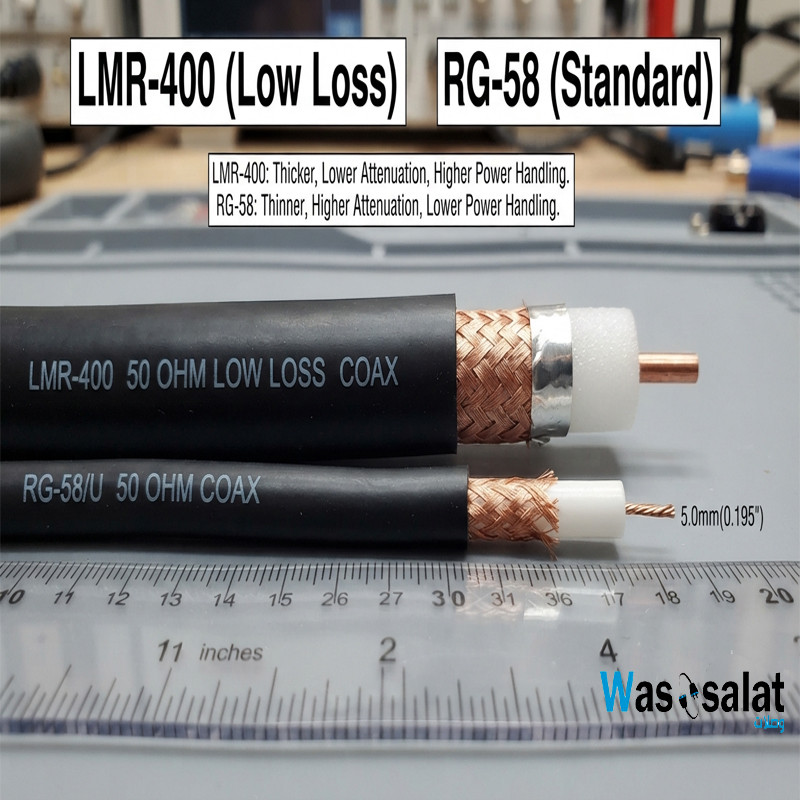 LMR-400 vs RG58: Which Coaxial Cable Should You Choose?Read more
Compare LMR-400 vs RG58 coaxial cables. Learn the differences in signal loss, construction, flexibility, and...
-
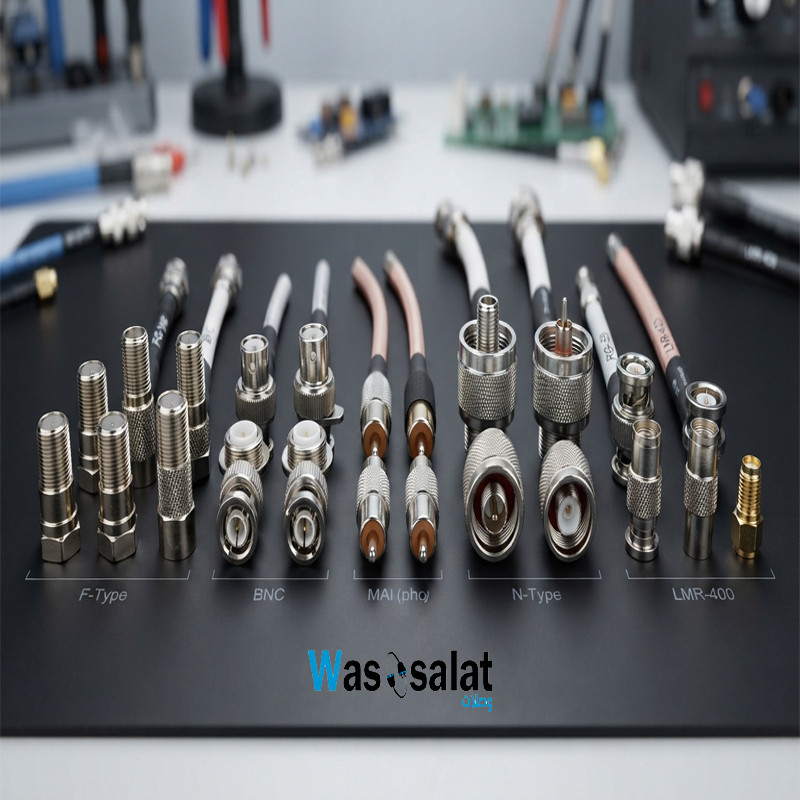 Coax Cable Connectors: Complete Guide to F-Type, BNC, N-Type, SMARead more
Learn about coaxial cable connectors—F-Type, BNC, N-Type, SMA, TNC, and UHF. Compare impedances, frequencies, and...
Leave a comment