

This comprehensive guide covers everything you need to know about waterproof coaxial cables—from understanding water...
Coax Cable Connectors: Complete Guide to F-Type, BNC, N-Type, SMA
Coax Cable Connectors: The Complete Guide
Published by Wassalat Technical Team
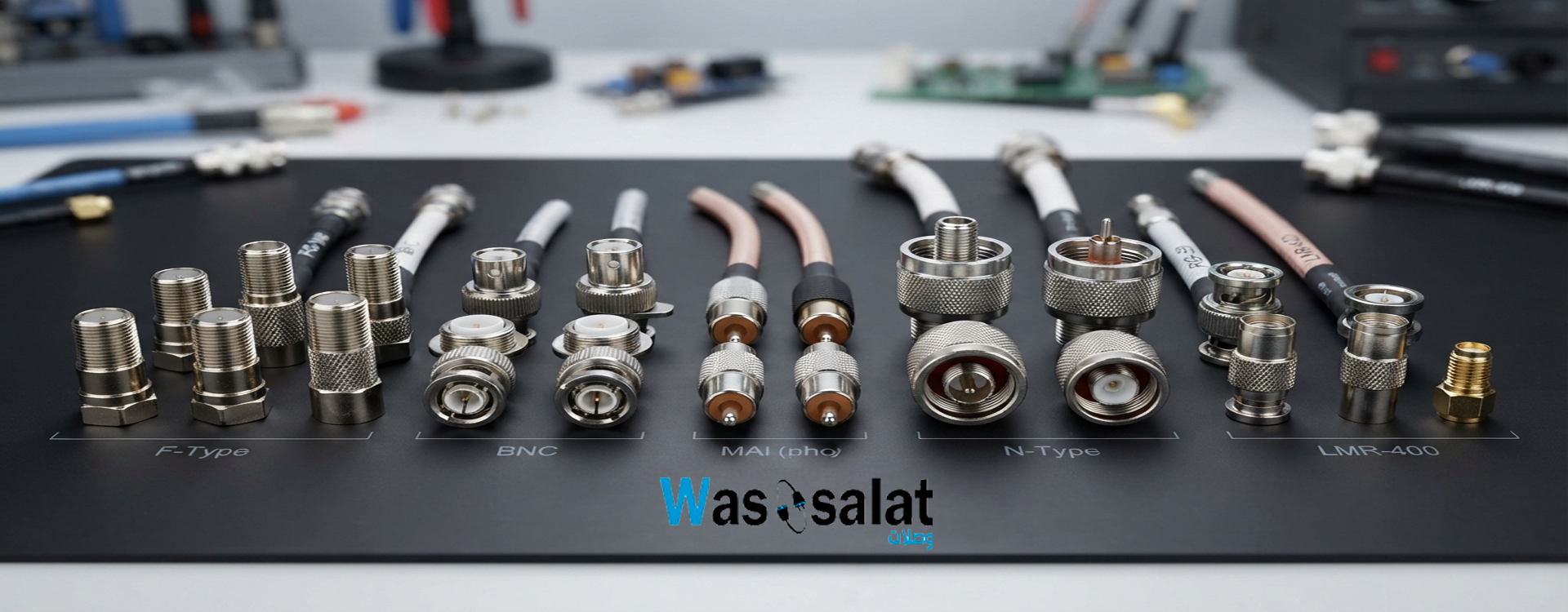
A coaxial cable is only as good as its connectors. The right connector ensures optimal signal transfer, prevents interference, and provides reliable, long-lasting connections.
This comprehensive guide covers everything you need to know about coaxial cable connectors—from F-Type to BNC, from crimp to compression, and from 50Ω to 75Ω.
? Table of Contents
Why Connectors Matter
Connectors are the critical interface between your cable and equipment. A poor connector can:
- ? Degrade signal quality – Adding noise and interference
- ? Increase signal loss – Reducing range and performance
- ? Cause intermittent connections – Leading to unreliable service
- ? Allow water ingress – Damaging cable and equipment
- ? Create safety hazards – In high-power applications
Key Connector Properties
| Property | Why It Matters |
|---|---|
| Impedance | Must match cable (50Ω or 75Ω) to prevent reflections |
| Frequency Range | Must support your operating frequency |
| VSWR | Lower is better (1.2:1 or less) |
| Insertion Loss | Lower is better (0.1-0.3 dB typical) |
| Durability | Number of connect/disconnect cycles |
? Key Insight: A $0.50 connector on a $100 cable can ruin the entire system. Invest in quality connectors that match your application.
Connector Types Overview
Here's a quick overview of the most common coaxial connectors:
| Connector | Impedance | Max Frequency | Common Use |
|---|---|---|---|
| F-Type | 75Ω | 3 GHz | TV, Satellite, CATV |
| BNC | 50Ω or 75Ω | 4 GHz | Video, CCTV, Test |
| N-Type | 50Ω | 11 GHz | RF, Antennas, WISP |
| SMA | 50Ω | 18 GHz | WiFi, IoT, Cellular |
| TNC | 50Ω | 11 GHz | Military, Aerospace |
| UHF / PL-259 | 50Ω | 300 MHz | Amateur Radio |
| RCA | 75Ω | 10 MHz | Consumer Video/Audio |
F-Type Connectors
F-Type connectors are the most common coaxial connector in the world. They're used for TV, satellite, and cable broadband internet.
Specifications
| Parameter | Value |
|---|---|
| Impedance | 75Ω |
| Max Frequency | 3 GHz |
| Connection Type | Threaded (Screw-on) |
| Typical VSWR | 1.2:1 |
| Insertion Loss | 0.15 dB |
| Durability | 500+ cycles |
F-Type Installation Types
1. Screw-On (Twist-On)
Quality: Basic
Tools Needed: None (screw on by hand)
Best For: Temporary connections, DIY
⚠️ Not Recommended: Permanent installations, satellite
2. Crimp-On
Quality: Good
Tools Needed: Crimp tool
Best For: Professional installations
Advantage: Reliable, cost-effective
3. Compression
Quality: Excellent
Tools Needed: Compression tool
Best For: Professional, weatherproof installations
Advantage: Best signal quality, weatherproof
F-Type Applications
- ? Cable Television (CATV)
- ? Satellite TV
- ? Cable Broadband Internet
- ? Cable modems and routers
- ? Splitters and distribution amps
- ? TV antennas
✅ Recommendation: For satellite and permanent TV installations, always use compression F-Type connectors. They provide the best reliability and weather resistance.
BNC Connectors
BNC (Bayonet Neill-Concelman) connectors are quick-connect connectors widely used in video, CCTV, and test equipment.
Specifications
| Parameter | 50Ω BNC | 75Ω BNC |
|---|---|---|
| Impedance | 50Ω | 75Ω |
| Max Frequency | 4 GHz | 4 GHz |
| Connection Type | Bayonet (Twist & Lock) | |
| Center Pin | Larger | Smaller |
| Common Use | RF Test, Radios | CCTV, Video |
BNC Applications
- ? CCTV and security cameras
- ? Broadcast video equipment
- ? RF test equipment
- ? Radio communications
- ?️ Laboratory measurements
- ? Professional video production
BNC Installation Types
- Crimp-on – Standard for professional installations
- Compression – Weatherproof option for outdoor use
- Screw-on – Basic, for temporary connections
⚠️ Critical: 50Ω and 75Ω BNC connectors look similar but have different center pin sizes. They are NOT interchangeable. Using the wrong type causes signal loss and potential damage.
N-Type Connectors
N-Type connectors are the professional standard for outdoor RF applications. They provide excellent performance and weather resistance.
Specifications
| Parameter | Value |
|---|---|
| Impedance | 50Ω |
| Max Frequency | 11 GHz |
| Connection Type | Threaded |
| Weatherproof | Yes (with weather boot) |
| VSWR | 1.15:1 |
| Insertion Loss | 0.1 dB |
N-Type Applications
- ? Outdoor antennas
- ? WISP and wireless networks
- ? Cellular base stations (4G/5G)
- ? Satellite ground stations
- ? RF test equipment
- ? Microwave links
- ? Distributed Antenna Systems (DAS)
N-Type Installation Types
- Clamp-type – For RG-8, RG-213, LMR-400
- Crimp-type – For LMR-400, LMR-600
- Solder-type – For rigid cables
✅ Recommendation: N-Type is the connector of choice for professional outdoor RF installations. It's weather-resistant, low-loss, and supports frequencies up to 11 GHz.
SMA Connectors
SMA (SubMiniature version A) connectors are small, high-frequency connectors used in compact devices like WiFi routers, cellular modems, and IoT equipment.
Specifications
| Parameter | Value |
|---|---|
| Impedance | 50Ω |
| Max Frequency | 18 GHz |
| Connection Type | Threaded |
| Durability | 500 cycles |
| Common Use | WiFi, IoT, Cellular |
SMA Applications
- ? WiFi routers and access points
- ? Cellular modems and routers (4G/5G)
- ? IoT and telemetry devices
- ? Test equipment
- ?️ GPS receivers
- ? Small antennas
SMA Variations
- SMA Male – Has an inner pin (plug)
- SMA Female – Has an inner socket (jack)
- RP-SMA – Reverse polarity (used in consumer WiFi)
- RP-SMA Male – Inner socket (opposite of standard)
- RP-SMA Female – Inner pin (opposite of standard)
? Note: Consumer WiFi devices often use RP-SMA to prevent users from connecting wrong antennas. Always check your device's connector type before buying.
TNC Connectors
TNC (Threaded Neill-Concelman) connectors are threaded versions of BNC connectors, offering better vibration resistance and weather protection.
Specifications
| Parameter | Value |
|---|---|
| Impedance | 50Ω |
| Max Frequency | 11 GHz |
| Connection Type | Threaded |
| Durability | 500+ cycles |
| Common Use | Military, Aerospace |
TNC Applications
- Military communications
- Aerospace and aviation
- High-vibration environments
- WiFi and WISP networks
- RF test equipment
UHF / PL-259 Connectors
UHF (Ultra High Frequency) / PL-259 connectors are older-style connectors commonly used in amateur radio.
Specifications
| Parameter | Value |
|---|---|
| Impedance | 50Ω (nominal) |
| Max Frequency | 300 MHz |
| Connection Type | Threaded |
| Common Use | Amateur Radio |
UHF Applications
- Ham radio (HF and VHF)
- CB radio
- Older RF equipment
⚠️ Note: UHF connectors are not suitable for frequencies above 300 MHz. For VHF/UHF amateur radio, N-Type is the better choice.
Installation Methods
Connectors are installed using different methods:
1. Crimp Connectors
How it works: The connector is crimped onto the cable using a crimp tool
Pros: Quick, consistent, reliable
Cons: Requires correct tool and die
Best For: Professional installations
2. Compression Connectors
How it works: The connector is compressed onto the cable
Pros: Excellent weather resistance, low signal loss
Cons: Requires compression tool
Best For: Outdoor, satellite, professional
3. Solder Connectors
How it works: The connector is soldered onto the cable
Pros: Very reliable, excellent electrical connection
Cons: Requires soldering skill, time-consuming
Best For: High-end RF, military
4. Screw-On (Twist-On)
How it works: The connector screws onto the cable
Pros: No tools required
Cons: Poor reliability, high signal loss
Best For: Temporary connections only
Connector Installation Comparison
| Method | Quality | Weatherproof | Tools Required | Skill Level |
|---|---|---|---|---|
| Screw-On | ⭐ | ❌ | None | Beginner |
| Crimp | ⭐⭐⭐⭐ | ⚠️ | Crimp Tool | Intermediate |
| Compression | ⭐⭐⭐⭐⭐ | ✅ | Compression Tool | Intermediate |
| Solder | ⭐⭐⭐⭐⭐ | ✅ | Soldering Iron | Advanced |
Connector Comparison Table
| Feature | F-Type | BNC | N-Type | SMA | TNC |
|---|---|---|---|---|---|
| Impedance | 75Ω | 50/75Ω | 50Ω | 50Ω | 50Ω |
| Max Frequency | 3 GHz | 4 GHz | 11 GHz | 18 GHz | 11 GHz |
| Connection | Threaded | Bayonet | Threaded | Threaded | Threaded |
| Weatherproof | ✅ | ⚠️ | ✅ | ⚠️ | ✅ |
| Quick Connect | ❌ | ✅ | ❌ | ❌ | ❌ |
| Size | Small | Medium | Large | Very Small | Medium |
| Cost | $ | $$ | $$ | $$ | $$$ |
| Common Use | TV, Satellite | CCTV, Video | RF, Antennas | WiFi, IoT | Military |
Frequently Asked Questions (FAQ)
1. What is the most common coaxial connector?
The F-Type connector is the most common coaxial connector worldwide. It's used for TV, satellite, and cable broadband internet.
2. What is the difference between 50Ω and 75Ω connectors?
50Ω connectors are used for RF and wireless applications. 75Ω connectors are used for video and CATV. They are not interchangeable.
3. Can I use an F-Type connector on RG6?
Yes. F-Type connectors are designed for RG6 and other 75Ω cables. Use the correct size for your cable (standard or RG11).
4. What is the best connector for satellite TV?
Compression F-Type connectors are the best for satellite TV. They provide excellent weather resistance and low signal loss.
5. What is the difference between BNC 50Ω and 75Ω?
50Ω BNC connectors have a larger center pin than 75Ω connectors. They are not interchangeable and using the wrong one causes signal loss.
6. What connector does WiFi use?
Most WiFi devices use SMA or RP-SMA connectors. RP-SMA (Reverse Polarity SMA) is common on consumer routers to prevent accidental connection of wrong antennas.
7. What is the best connector for outdoor antennas?
N-Type connectors are the best for outdoor antennas. They're weather-resistant, low-loss, and support frequencies up to 11 GHz.
8. Can I mix connector types with adapters?
Yes, adapters exist to convert between connector types (e.g., F-Type to BNC). However, each adapter adds signal loss and can degrade performance.
9. What is VSWR?
VSWR (Voltage Standing Wave Ratio) measures signal reflection. A perfect match is 1:1. Higher numbers mean more reflection. Good connectors have VSWR below 1.2:1.
10. How long do coaxial connectors last?
Quality connectors last 500+ connection cycles. With proper installation, they can last 20+ years without degradation.
11. Why are my connectors getting hot?
Heat in connectors indicates a poor connection or impedance mismatch. In high-power applications, this can be dangerous and cause equipment failure.
12. Can I reuse coaxial connectors?
Crimp and compression connectors are designed for single use. Screw-on connectors can be reused but may not provide reliable contact after repeated use.
? Related Articles
- Complete Guide to Coaxial Cables
- BNC vs F-Type Connectors
- Coaxial Cable Construction
- SMA Connectors Guide
- Outdoor Coaxial Cable
- 50 Ohm vs 75 Ohm Coax
- Browse Connectors →
? Need Coaxial Connectors?
We stock a full range of professional coaxial connectors—from F-Type for TV to N-Type for RF and SMA for WiFi. Quality connectors for every application.
Last Updated: July 2026
© 2026 Wassalat. All rights reserved.
Posted in:
Coaxial Cables
Related posts
-
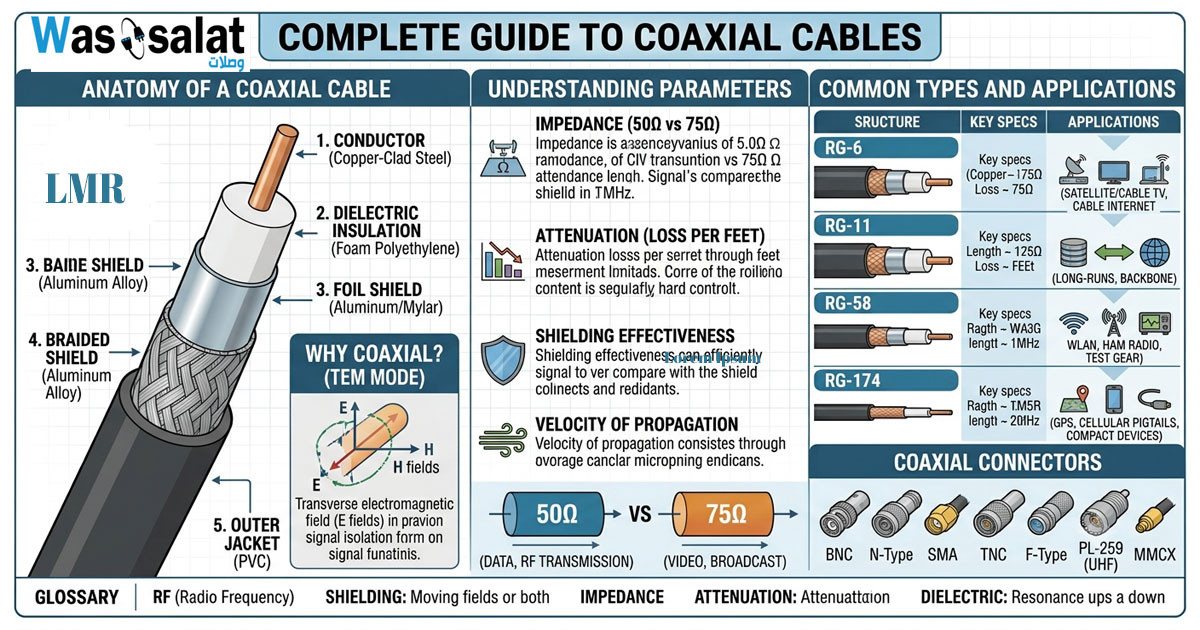 Complete Guide to Coaxial Cables
Everything you need to know about RG-6, LMR-400, impedance, connectors & troubleshooting.Read more
Complete Guide to Coaxial Cables
Everything you need to know about RG-6, LMR-400, impedance, connectors & troubleshooting.Read more -
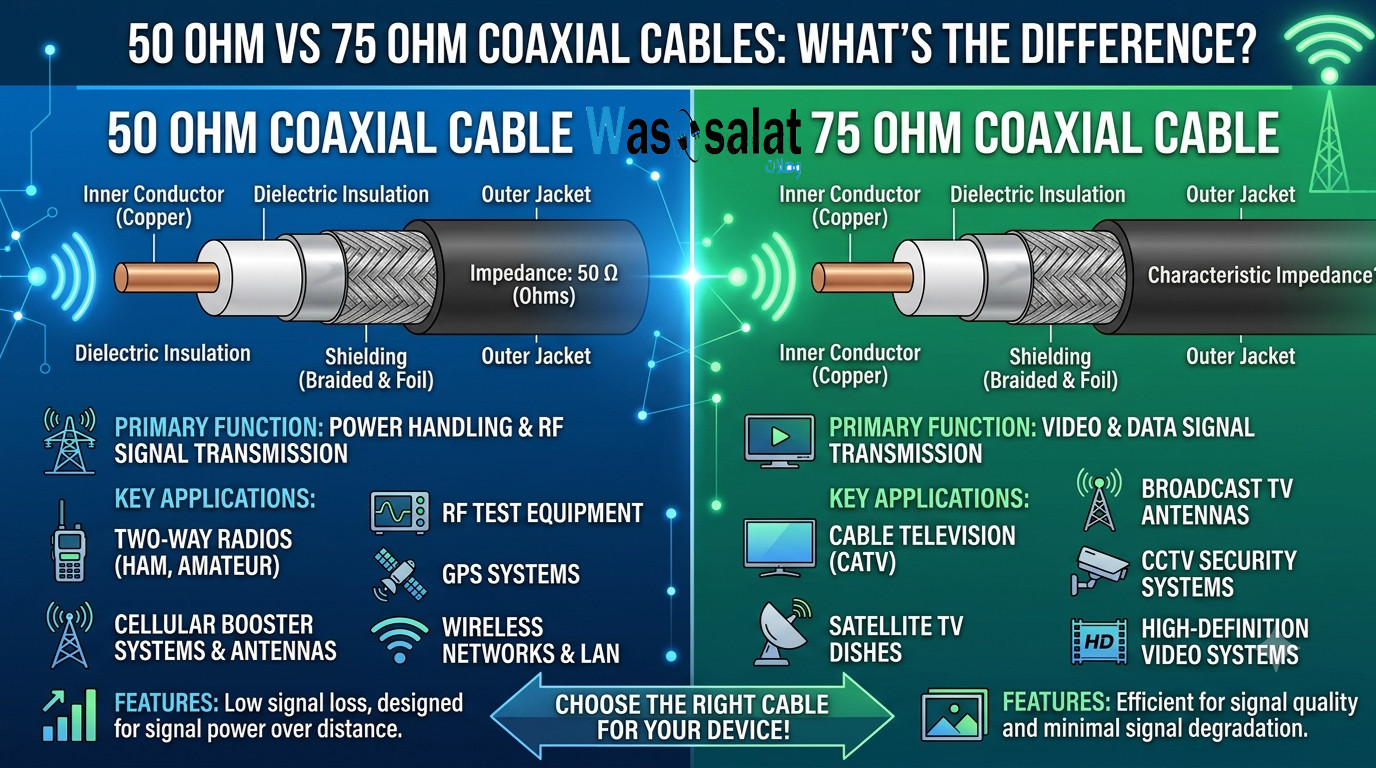 50 Ohm vs 75 Ohm Coaxial Cables: What's the Difference?
Learn the key differences between 50Ω and 75Ω coaxial cables. Find out which impedance you need for WiFi, TV, CCTV,...Read more
50 Ohm vs 75 Ohm Coaxial Cables: What's the Difference?
Learn the key differences between 50Ω and 75Ω coaxial cables. Find out which impedance you need for WiFi, TV, CCTV,...Read more -
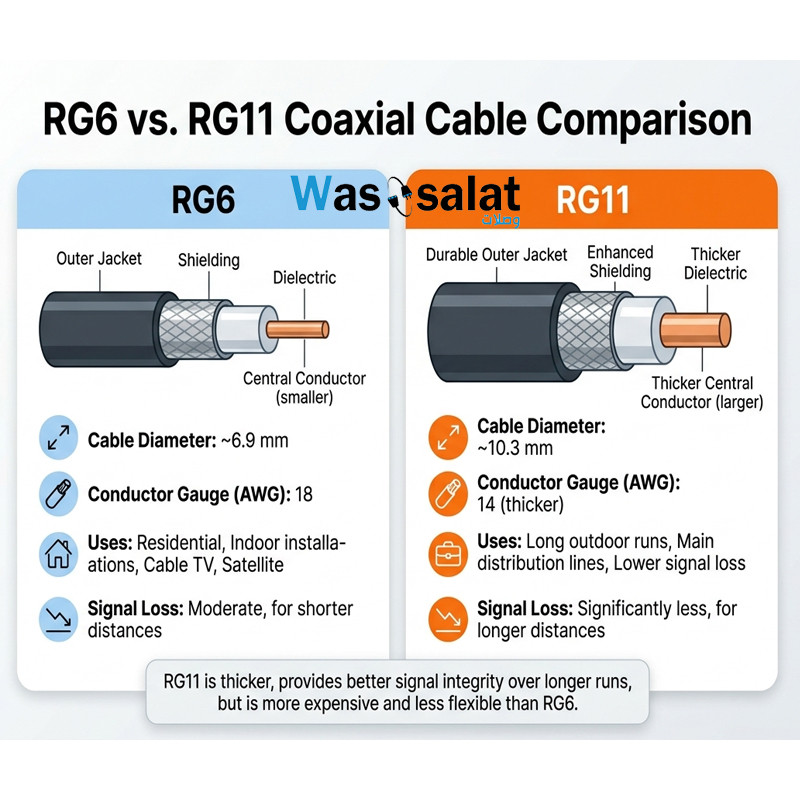 RG6 vs RG11 Coaxial Cables: Which One Do You Need?
Compare RG6 and RG11 coaxial cables. Learn the differences in performance, distance, cost, and when to use each for...Read more
RG6 vs RG11 Coaxial Cables: Which One Do You Need?
Compare RG6 and RG11 coaxial cables. Learn the differences in performance, distance, cost, and when to use each for...Read more -
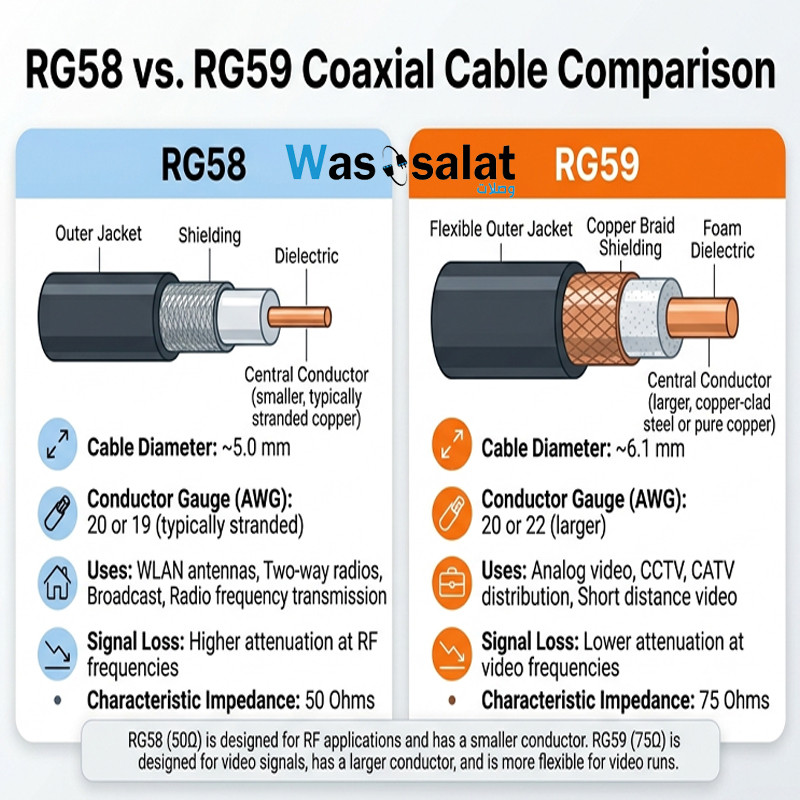 RG58 vs RG59 Coaxial Cables: What's the Difference?
Compare RG58 and RG59 coaxial cables. Learn the critical impedance difference, applications for RF vs video, and...Read more
RG58 vs RG59 Coaxial Cables: What's the Difference?
Compare RG58 and RG59 coaxial cables. Learn the critical impedance difference, applications for RF vs video, and...Read more -
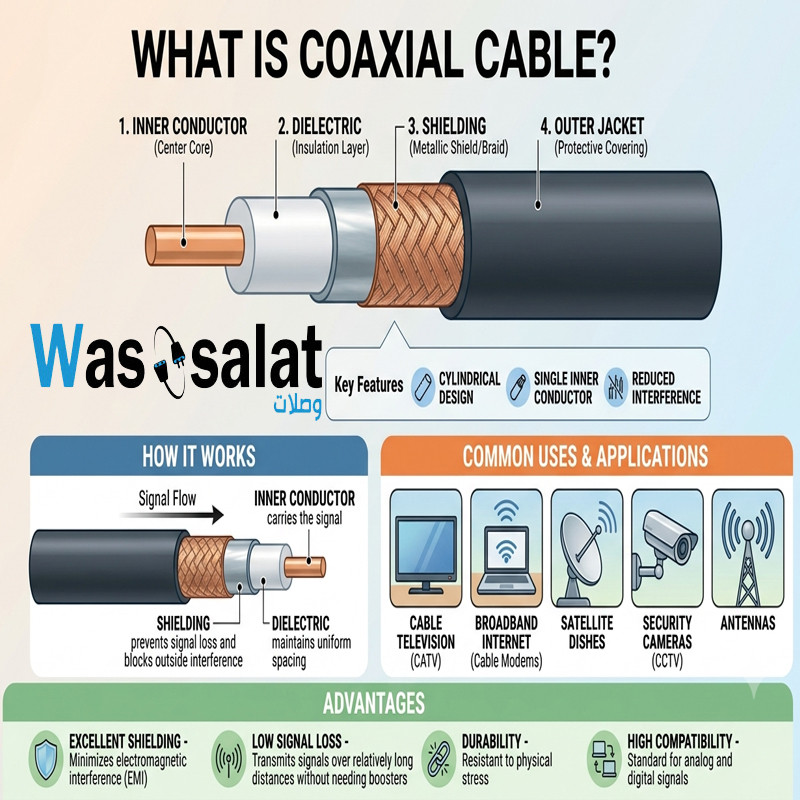 What Is a Coaxial Cable? The Complete Beginner's Guide
Learn what coaxial cables are, how they work, their construction, types, and applications. The beginner's guide to...Read more
What Is a Coaxial Cable? The Complete Beginner's Guide
Learn what coaxial cables are, how they work, their construction, types, and applications. The beginner's guide to...Read more
Latest posts
-
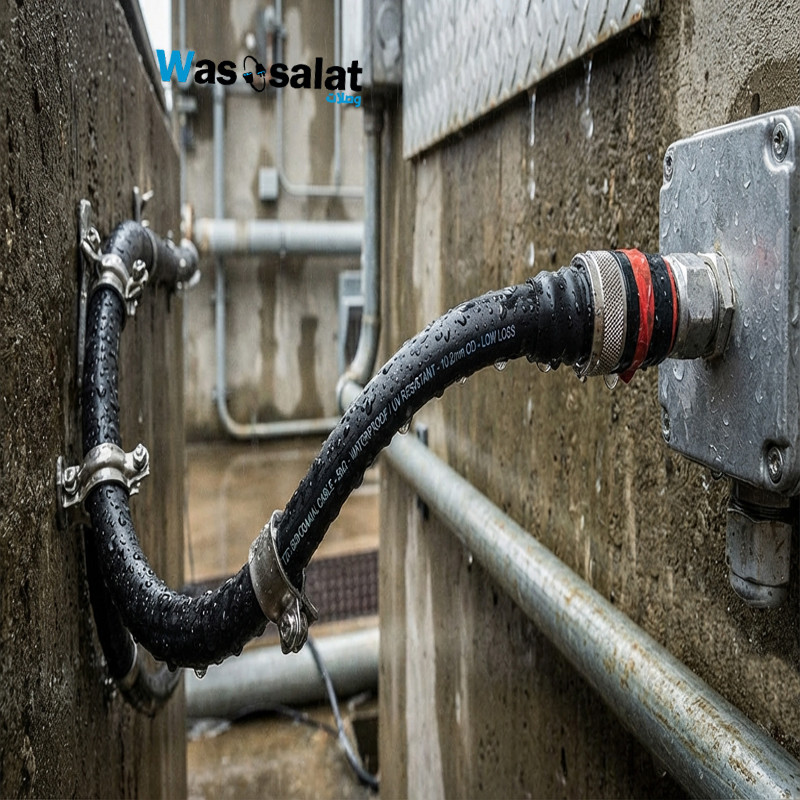 Waterproof Coaxial Cable: The Complete GuideRead more
 -
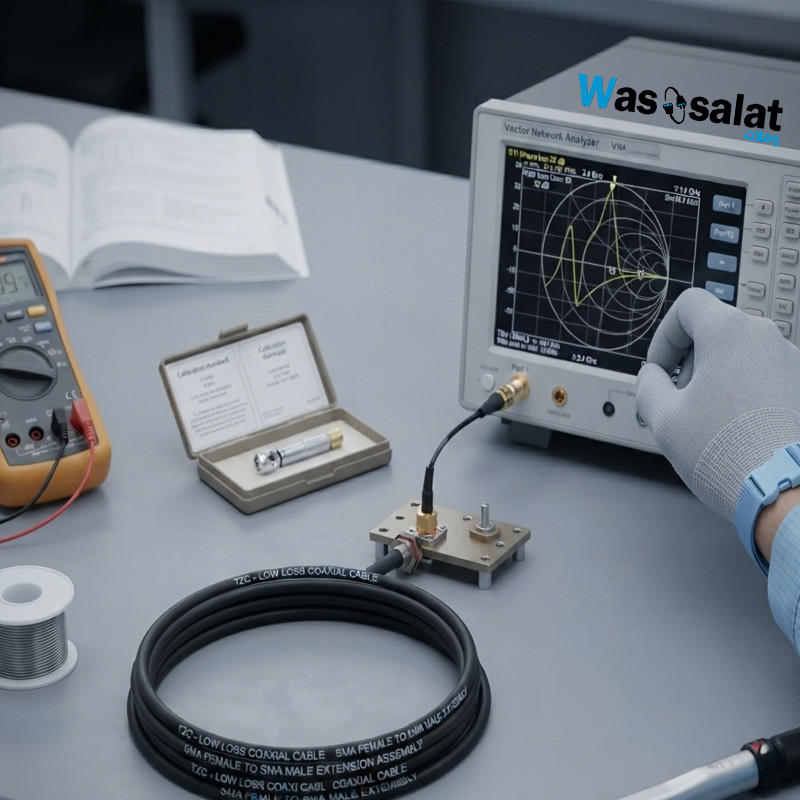 Testing Coaxial Cable: The Complete GuideRead more
This comprehensive guide covers everything you need to know about testing coaxial cable—from simple continuity checks...
-
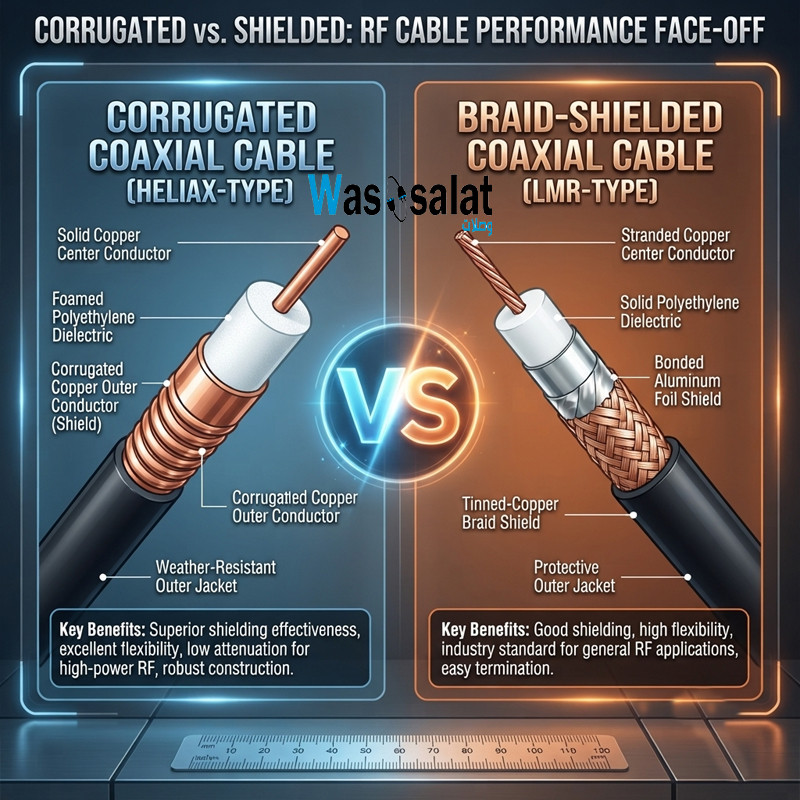 Corrugated Coaxial Cable vs Shielded Coaxial Cable: Complete ComparisonRead more
This comprehensive guide compares both technologies—explaining the differences in construction, performance,...
-
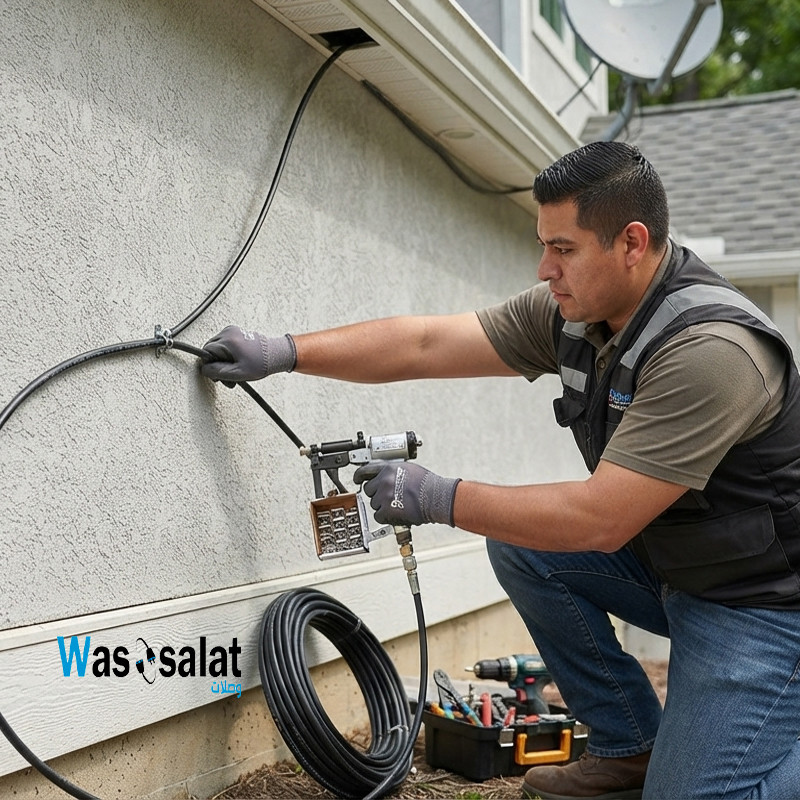 Installing Coaxial Cable: The Complete GuideRead more
This comprehensive guide compares double shield and quad shield coaxial cables—explaining the differences in...
-
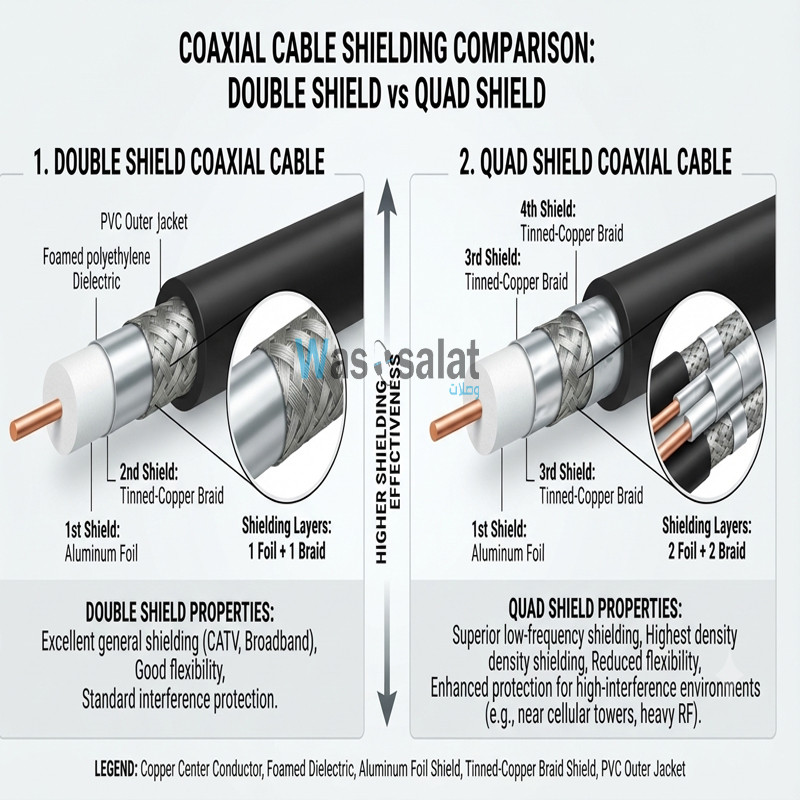 Double Shield vs Quad Shield: Which Coaxial Cable Should You Choose?Read more
This comprehensive guide compares double shield and quad shield coaxial cables—explaining the differences in...
-
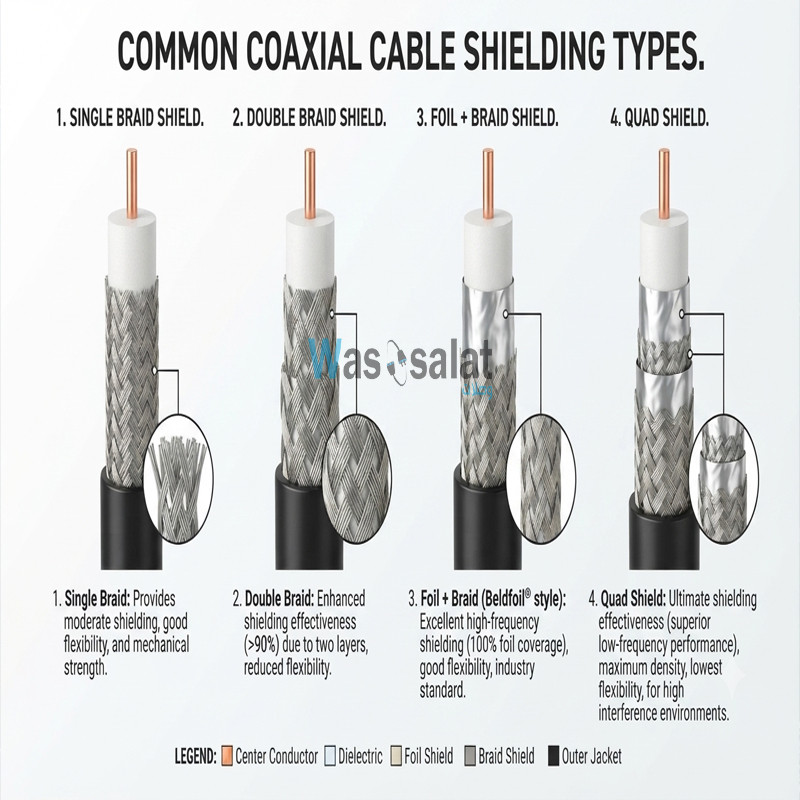 Shielding Types in Coaxial Cables: Complete GuideRead more
This comprehensive guide explains everything you need to know about shielding types—from single shield to quad...
-
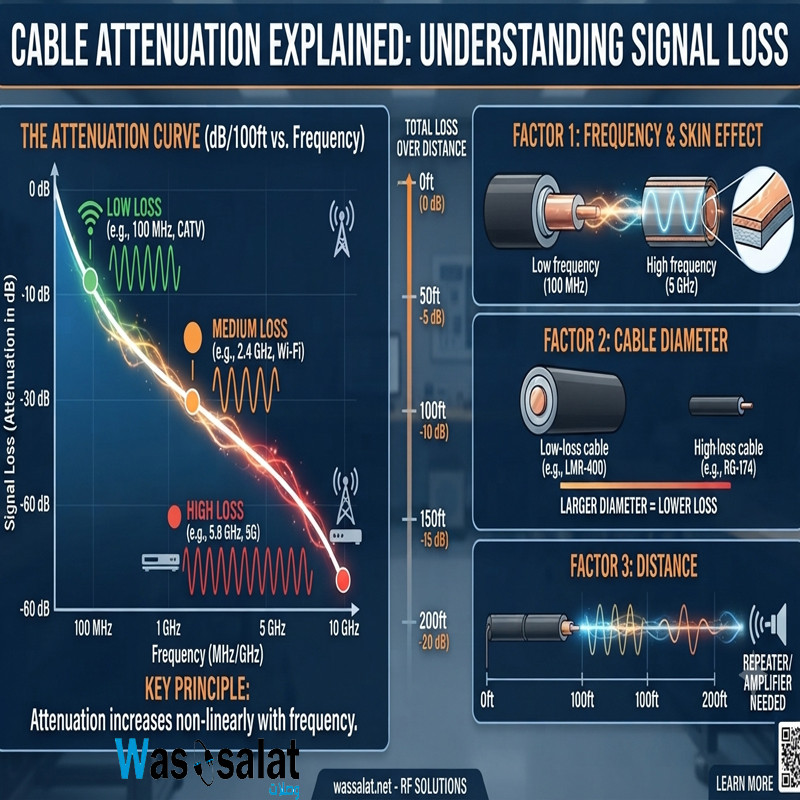 Cable Attenuation Explained: Understanding Signal LossRead more
This comprehensive guide explains everything you need to know about cable attenuation—what it is, what causes it, how...
-
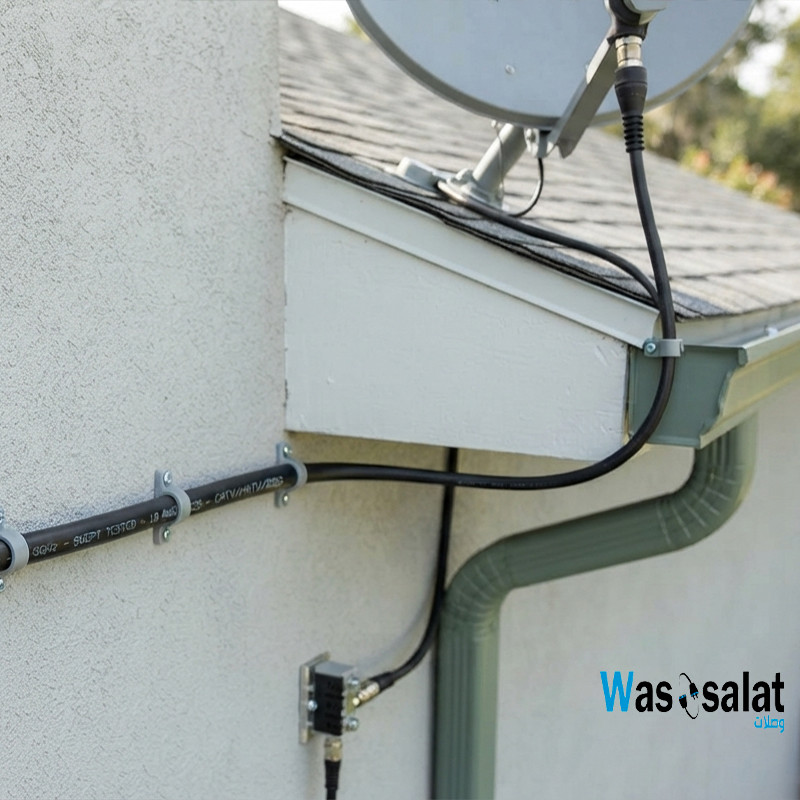 Outdoor Coaxial Cable: Complete Guide & Selection TipsRead more
Choose the right outdoor coaxial cable for your installation. Compare TZC-500/32 vs TZC-500/97, learn about PE...
-
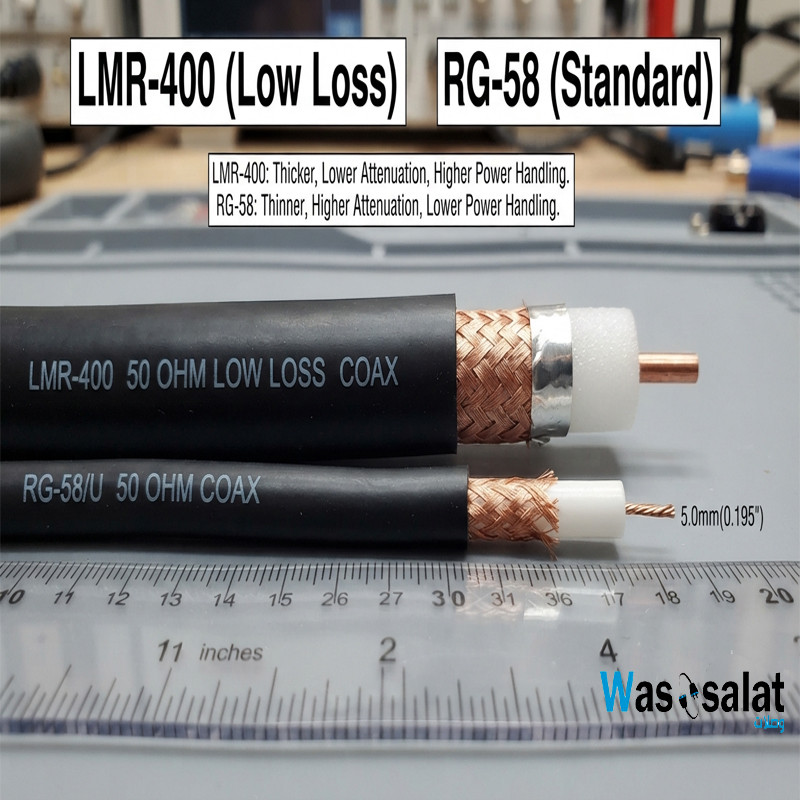 LMR-400 vs RG58: Which Coaxial Cable Should You Choose?Read more
Compare LMR-400 vs RG58 coaxial cables. Learn the differences in signal loss, construction, flexibility, and...
-
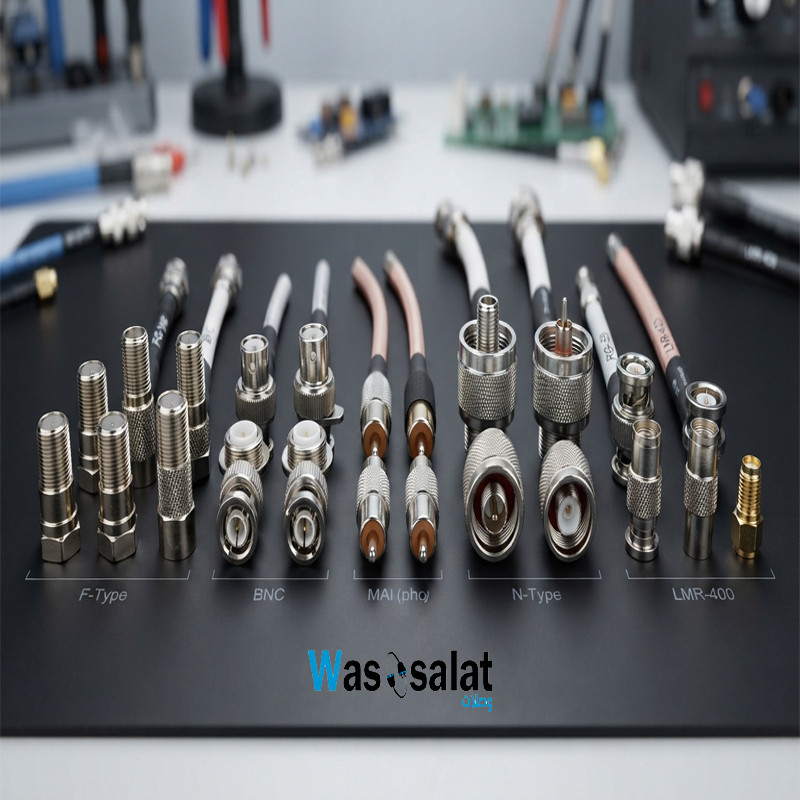 Coax Cable Connectors: Complete Guide to F-Type, BNC, N-Type, SMARead more
Learn about coaxial cable connectors—F-Type, BNC, N-Type, SMA, TNC, and UHF. Compare impedances, frequencies, and...
Leave a comment