

This comprehensive guide covers everything you need to know about waterproof coaxial cables—from understanding water...
Shielding Types in Coaxial Cables: Complete Guide
Shielding Types in Coaxial Cables: Complete Guide
Published by Wassalat Technical Team
Have you ever experienced pixelation on your TV, interference on your radio, or dropped WiFi signals? The culprit might be inadequate shielding in your coaxial cable.
This comprehensive guide explains everything you need to know about shielding types—from single shield to quad shield, from foil to braid, and how to choose the right shielding for your application.
? Table of Contents
What Is Shielding?
Shielding is the metallic layer in a coaxial cable that protects the signal from interference and prevents signal leakage.
Two Key Functions of Shielding
| Function | Description |
|---|---|
| Blocks Interference | Prevents external electromagnetic interference (EMI) and radio frequency interference (RFI) from entering the cable |
| Prevents Signal Leakage | Keeps the signal inside the cable, preventing it from interfering with other nearby cables or equipment |
Sources of Interference
- ? WiFi routers – 2.4 GHz and 5 GHz signals
- ? Cellular towers – 4G and 5G signals
- ⚡ Power lines – 50/60 Hz hum
- ? Motors and transformers – Electromagnetic fields
- ? Other electronics – Computers, TVs, appliances
- ? Radio and TV transmitters – Broadcast signals
? Key Insight: Better shielding means less interference and cleaner signals. In areas with high interference (urban areas, near power lines), quad shield is essential.
Shield Types Overview
Coaxial cables use different shielding configurations. Here's a quick overview:
| Shield Type | Coverage | Flexibility | Cost | Protection Level |
|---|---|---|---|---|
| Single Foil | 100% | ⭐⭐⭐⭐⭐ | $ | ⭐ |
| Single Braid | 60-95% | ⭐⭐⭐⭐ | $ | ⭐⭐ |
| Dual Shield | ≈100% | ⭐⭐⭐ | $$ | ⭐⭐⭐⭐ |
| Triple Shield | ≈100% | ⭐⭐⭐ | $$$ | ⭐⭐⭐⭐ |
| Quad Shield | ≈100% | ⭐⭐ | $$$ | ⭐⭐⭐⭐⭐ |
| Double Braid | ≈100% | ⭐⭐ | $$$ | ⭐⭐⭐⭐⭐ |
Foil Shielding
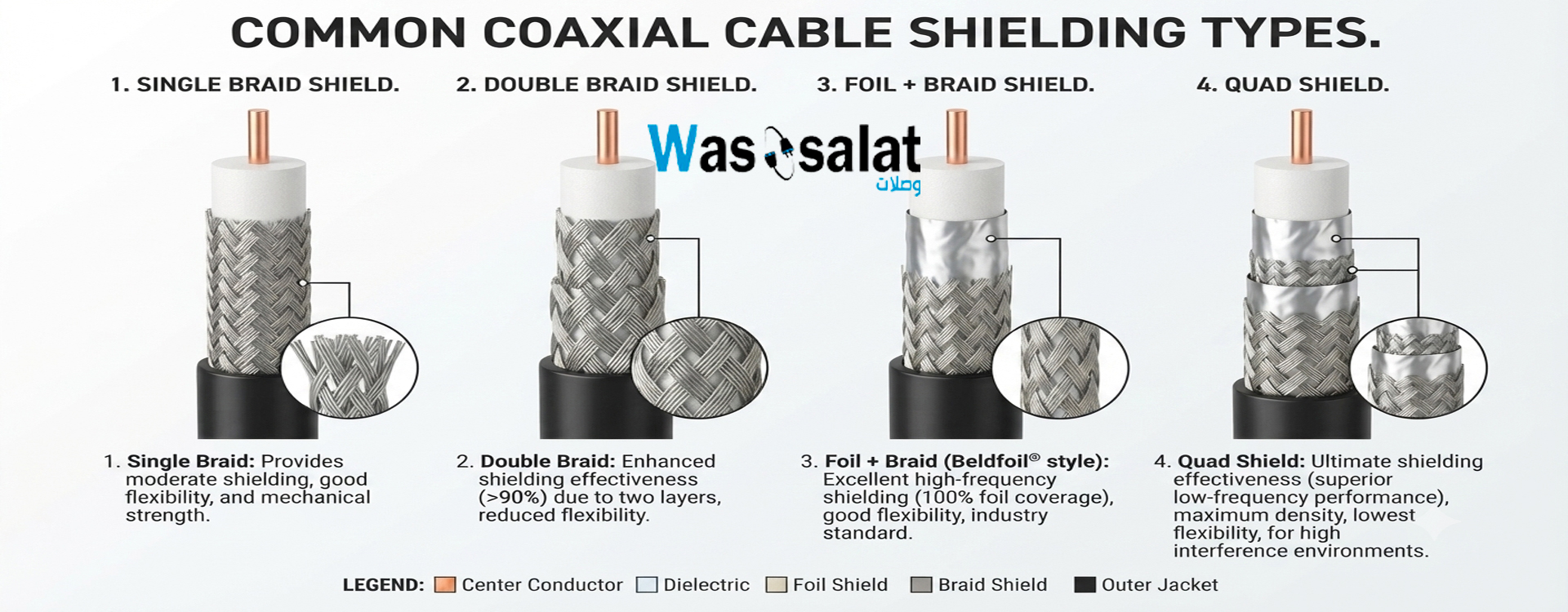
Foil shielding uses a thin aluminum or copper foil wrapped around the dielectric. It provides 100% coverage but is more fragile than braid.
Characteristics
- ✅ 100% coverage – No gaps for interference to enter
- ✅ Excellent high-frequency protection
- ✅ Lightweight and flexible
- ❌ Fragile – Can tear if bent sharply
- ❌ Difficult to terminate – Requires special care when connecting
Best For
- High-frequency applications (satellite TV, WiFi)
- Applications where complete coverage is critical
- Installations where flexibility is important
Braid Shielding
Braid shielding uses woven copper or aluminum wires around the dielectric. It provides 60-95% coverage depending on the density.
Characteristics
- ✅ Durable – Withstands bending and flexing
- ✅ Low DC resistance – Good for power transmission
- ✅ Easy to terminate – Works with standard connectors
- ❌ Gaps in coverage – Interference can leak through
- ❌ Less effective at high frequencies
Braid Coverage Levels
| Coverage | Quality | Common Use |
|---|---|---|
| 60% | Basic | Budget cables |
| 80% | Good | Standard cables |
| 95% | Excellent | Premium cables |
Best For
- Low to medium frequency applications
- Installations requiring durability
- Applications where termination ease is important
Dual Shield (Foil + Braid)
Dual shield combines a foil layer and a braid layer for excellent protection. This is the most common shielding configuration for RG6 cables.
Construction
- Foil layer – Wrapped around the dielectric (100% coverage)
- Braid layer – Woven over the foil (60-95% coverage)
Characteristics
- ✅ Excellent protection – Foil blocks high-frequency, braid blocks low-frequency
- ✅ Good durability – Braid protects the foil from damage
- ✅ Cost-effective – Good balance of performance and cost
- ✅ Industry standard – Used for most residential installations
Best For
- ? Cable TV (CATV)
- ? Broadband internet
- ? TV antennas
- ? Most residential installations
Quad Shield (Foil + Braid + Foil + Braid)
Quad shield provides maximum protection with four layers of shielding. It's the recommended choice for satellite TV and high-interference areas.
Construction
- Foil layer 1 – Wrapped around the dielectric
- Braid layer 1 – Woven over foil layer 1
- Foil layer 2 – Wrapped over braid layer 1
- Braid layer 2 – Woven over foil layer 2
Characteristics
- ✅ Maximum protection – Blocks nearly all interference
- ✅ Ideal for satellite TV – Critical for weak satellite signals
- ✅ Excellent high-frequency performance
- ❌ Stiffer – Less flexible than dual shield
- ❌ More expensive – Higher cost
- ❌ Harder to terminate – Requires more care
When Quad Shield is Essential
- ? Satellite TV – High frequencies, weak signals
- ? Commercial buildings – High interference environment
- ⚡ Near power lines – Strong electromagnetic fields
- ? Urban areas – Dense WiFi and cellular signals
- ? Multi-dwelling units – Multiple cables in close proximity
⚠️ Recommendation: For satellite TV, always use quad-shield RG6. The weak satellite signals are extremely susceptible to interference, and quad shield provides the best protection.
Shield Type Comparison
| Feature | Single Shield | Dual Shield | Quad Shield | Double Braid |
|---|---|---|---|---|
| Layers | 1 | 2 | 4 | 2 |
| Coverage | 60-100% | ≈100% | ≈100% | ≈100% |
| Low-Frequency Protection | ⭐⭐ | ⭐⭐⭐⭐ | ⭐⭐⭐⭐⭐ | ⭐⭐⭐⭐⭐ |
| High-Frequency Protection | ⭐ | ⭐⭐⭐ | ⭐⭐⭐⭐⭐ | ⭐⭐⭐⭐ |
| Flexibility | ⭐⭐⭐⭐⭐ | ⭐⭐⭐⭐ | ⭐⭐ | ⭐⭐ |
| Durability | ⭐⭐ | ⭐⭐⭐ | ⭐⭐⭐⭐ | ⭐⭐⭐⭐⭐ |
| Cost | $ | $$ | $$$ | $$$ |
| Common Use | Basic | CATV, Internet | Satellite, High-Interference | RF, LMR Series |
Applications Guide
By Application
| Application | Recommended Shield | Why |
|---|---|---|
| Cable TV (CATV) | Dual Shield | Good protection, cost-effective |
| Satellite TV | Quad Shield | Weak signals need maximum protection |
| CCTV | Dual Shield | Good protection for video |
| WiFi Antenna Feed | Double Braid | Low loss, excellent protection |
| Broadband Internet | Dual Shield | Standard for cable modems |
| RF Test Equipment | Double Braid | Precision signal integrity |
By Environment
| Environment | Recommended Shield | Why |
|---|---|---|
| Residential (Low Interference) | Dual Shield | Sufficient for most homes |
| Urban / High Interference | Quad Shield | Multiple interference sources |
| Near Power Lines | Quad Shield | Strong electromagnetic fields |
| Commercial/Office | Dual Shield | Good balance of performance/cost |
| Industrial | Quad Shield | High interference environment |
Frequently Asked Questions (FAQ)
1. What is the best shielding type?
Quad shield provides the best protection. However, dual shield is sufficient for most residential applications. The "best" depends on your application and environment.
2. Do I need quad shield for satellite TV?
Yes. Satellite TV signals are weak and operate at high frequencies. Quad shield provides the best protection against interference.
3. What is the difference between dual shield and quad shield?
Dual shield has 2 layers (foil + braid). Quad shield has 4 layers (foil + braid + foil + braid). Quad shield provides better protection but is stiffer and more expensive.
4. Can I use quad shield cable with standard connectors?
Yes, but quad shield is thicker than dual shield. You may need connectors designed for quad shield cables.
5. What is double braid shielding?
Double braid shielding has two layers of braid (no foil). It provides excellent protection and durability, often used in LMR series cables.
6. Does shielding affect signal loss?
Better shielding can slightly increase signal loss, but the improvement in interference protection far outweighs the minimal additional loss.
7. Why does RG6 use dual shield?
RG6 is designed for cable TV and internet, which require good protection at moderate frequencies. Dual shield provides the right balance of performance and cost.
8. What is the best shielding for WiFi?
For WiFi antenna feeds, LMR-400 (double braid) or quad-shield RG6 provides excellent protection at 2.4 GHz and 5 GHz.
9. Can I use foil-only shield for outdoor?
Foil-only shield is fragile and not recommended for outdoor use where it may be exposed to physical stress.
10. How do I identify shielding type?
Check the cable markings. Look for "dual shield," "quad shield," or "double braid" on the jacket.
? Related Articles
- Complete Guide to Coaxial Cables
- Coaxial Cable Construction
- Cable Attenuation Explained
- Satellite Coaxial Cables
?️ Need Shielded Coaxial Cables?
We stock dual shield, quad shield, and double braid cables for every application. Get the protection you need for reliable signal transmission.
Last Updated: July 2026
© 2026 Wassalat. All rights reserved.
Posted in:
Coaxial Cables
Related posts
-
 Complete Guide to Coaxial Cables
Everything you need to know about RG-6, LMR-400, impedance, connectors & troubleshooting.Read more
Complete Guide to Coaxial Cables
Everything you need to know about RG-6, LMR-400, impedance, connectors & troubleshooting.Read more -
 50 Ohm vs 75 Ohm Coaxial Cables: What's the Difference?
Learn the key differences between 50Ω and 75Ω coaxial cables. Find out which impedance you need for WiFi, TV, CCTV,...Read more
50 Ohm vs 75 Ohm Coaxial Cables: What's the Difference?
Learn the key differences between 50Ω and 75Ω coaxial cables. Find out which impedance you need for WiFi, TV, CCTV,...Read more -
 RG6 vs RG11 Coaxial Cables: Which One Do You Need?
Compare RG6 and RG11 coaxial cables. Learn the differences in performance, distance, cost, and when to use each for...Read more
RG6 vs RG11 Coaxial Cables: Which One Do You Need?
Compare RG6 and RG11 coaxial cables. Learn the differences in performance, distance, cost, and when to use each for...Read more -
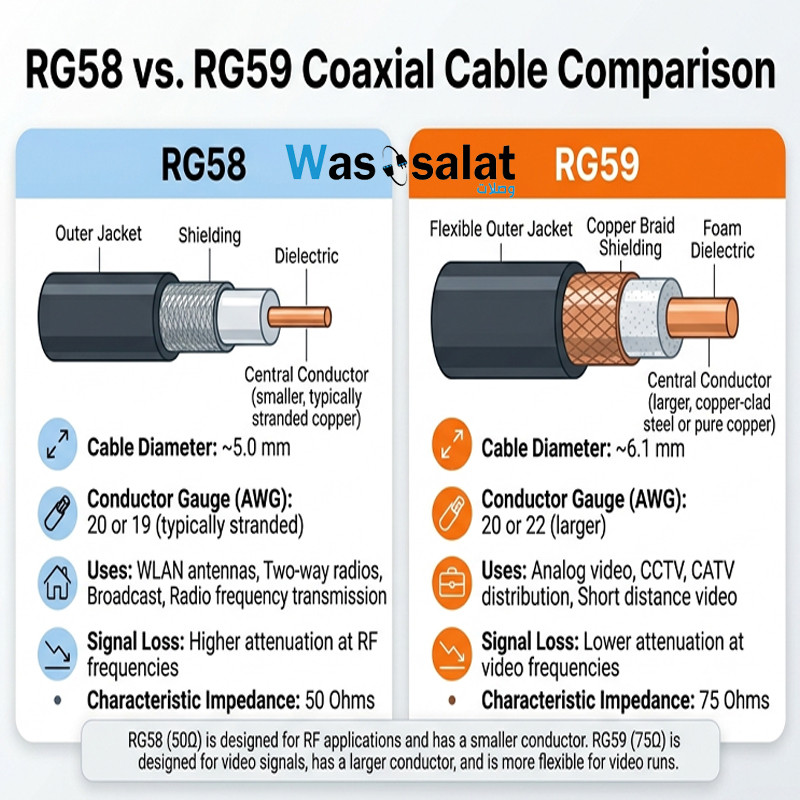 RG58 vs RG59 Coaxial Cables: What's the Difference?
Compare RG58 and RG59 coaxial cables. Learn the critical impedance difference, applications for RF vs video, and...Read more
RG58 vs RG59 Coaxial Cables: What's the Difference?
Compare RG58 and RG59 coaxial cables. Learn the critical impedance difference, applications for RF vs video, and...Read more -
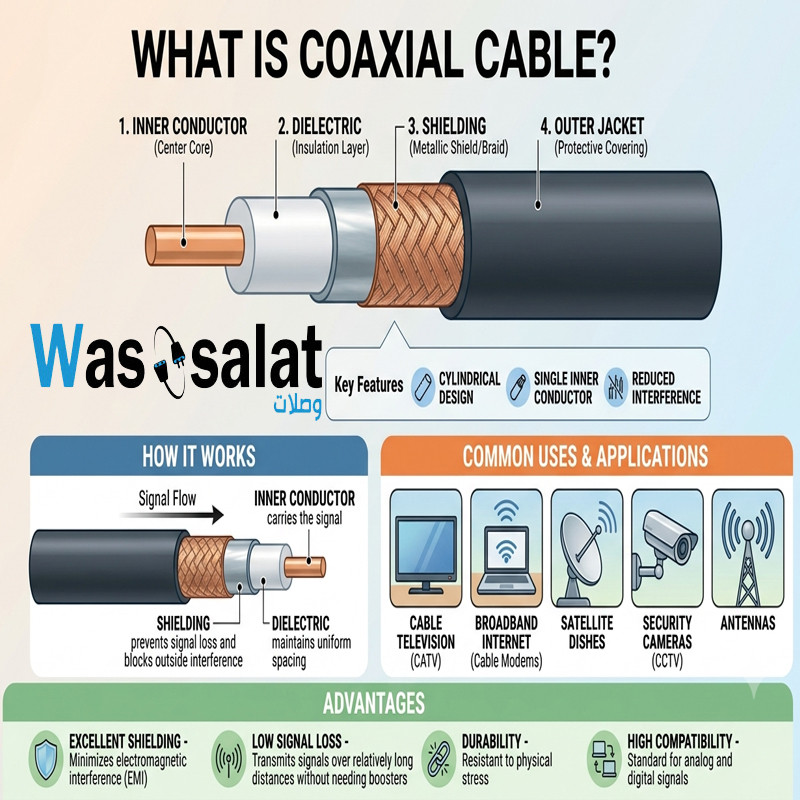 What Is a Coaxial Cable? The Complete Beginner's Guide
Learn what coaxial cables are, how they work, their construction, types, and applications. The beginner's guide to...Read more
What Is a Coaxial Cable? The Complete Beginner's Guide
Learn what coaxial cables are, how they work, their construction, types, and applications. The beginner's guide to...Read more
Latest posts
-
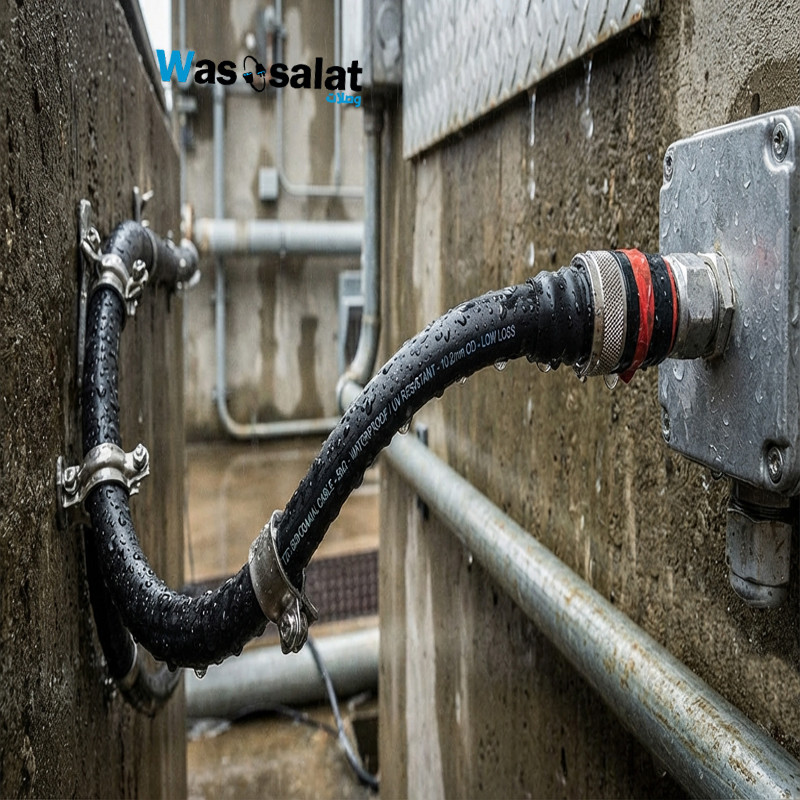 Waterproof Coaxial Cable: The Complete GuideRead more
 -
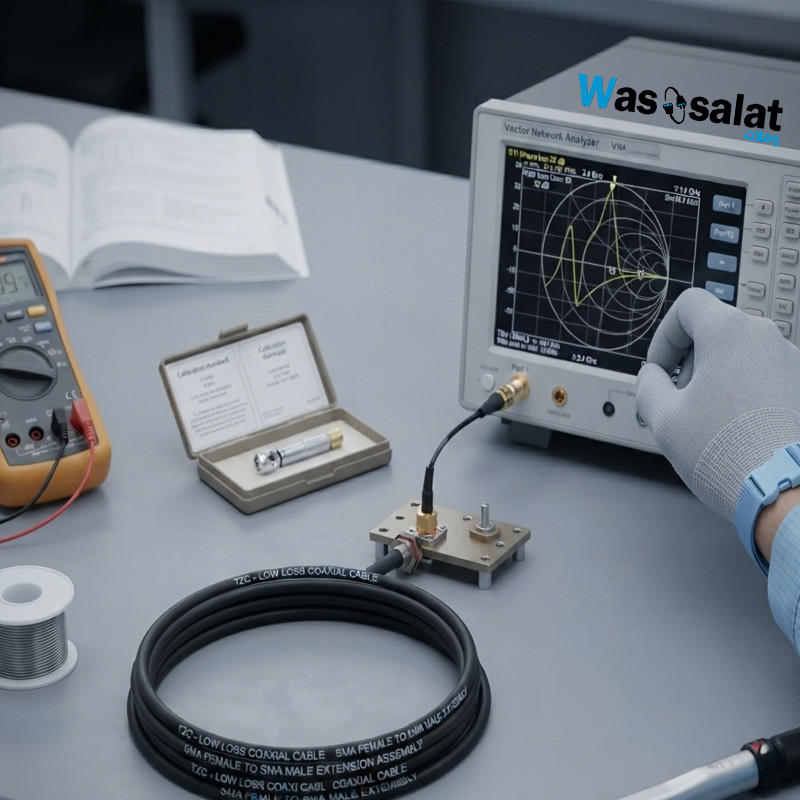 Testing Coaxial Cable: The Complete GuideRead more
This comprehensive guide covers everything you need to know about testing coaxial cable—from simple continuity checks...
-
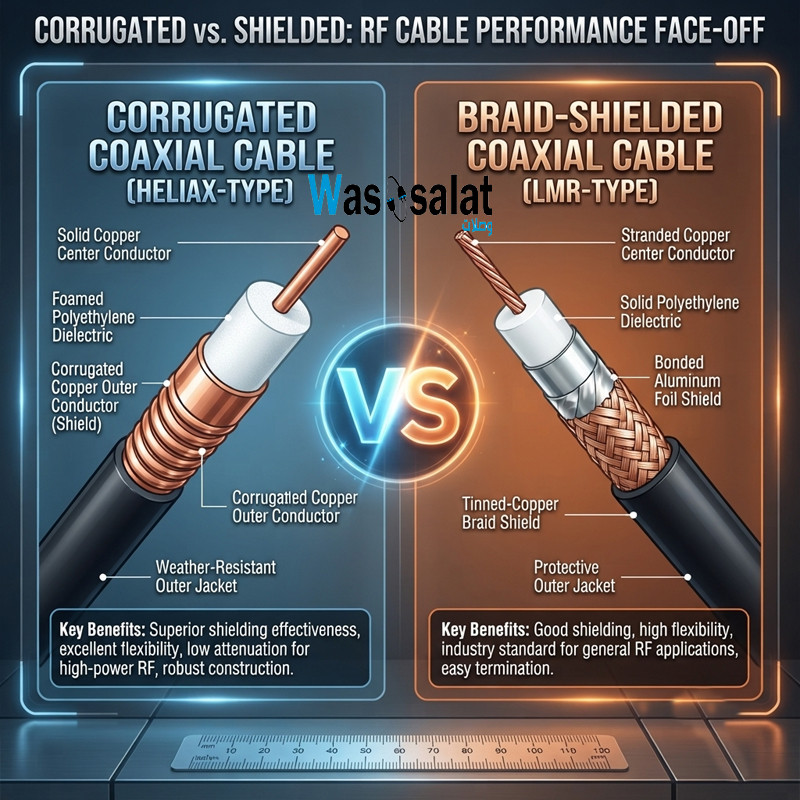 Corrugated Coaxial Cable vs Shielded Coaxial Cable: Complete ComparisonRead more
This comprehensive guide compares both technologies—explaining the differences in construction, performance,...
-
 Installing Coaxial Cable: The Complete GuideRead more
This comprehensive guide compares double shield and quad shield coaxial cables—explaining the differences in...
-
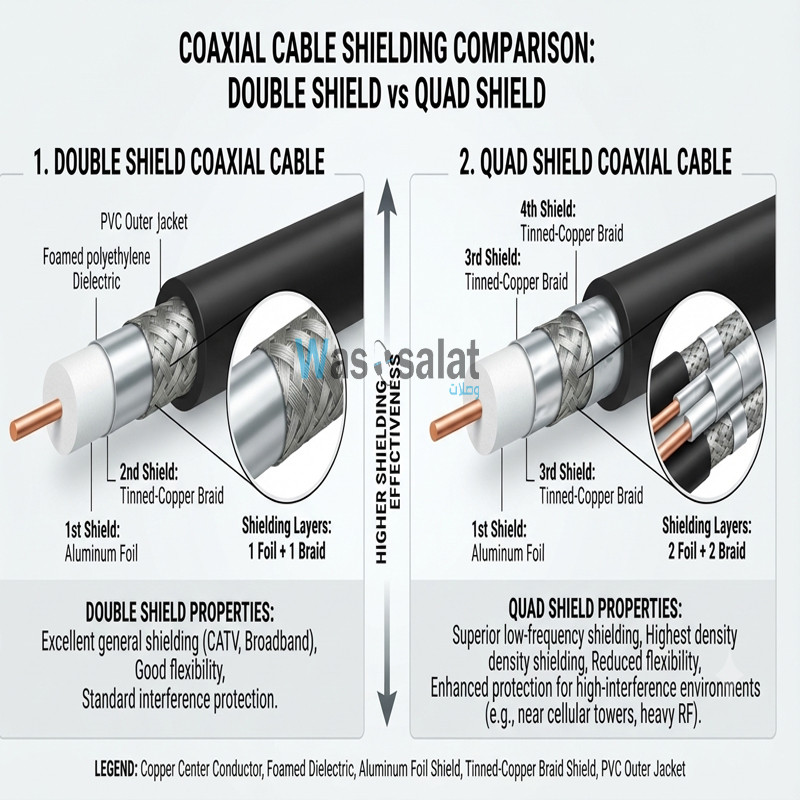 Double Shield vs Quad Shield: Which Coaxial Cable Should You Choose?Read more
This comprehensive guide compares double shield and quad shield coaxial cables—explaining the differences in...
-
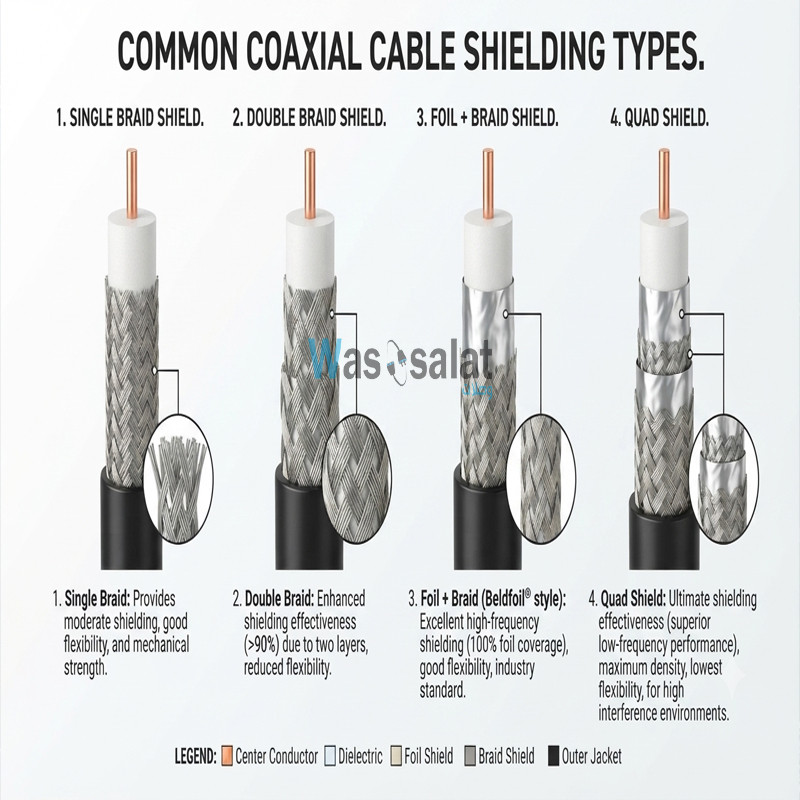 Shielding Types in Coaxial Cables: Complete GuideRead more
This comprehensive guide explains everything you need to know about shielding types—from single shield to quad...
-
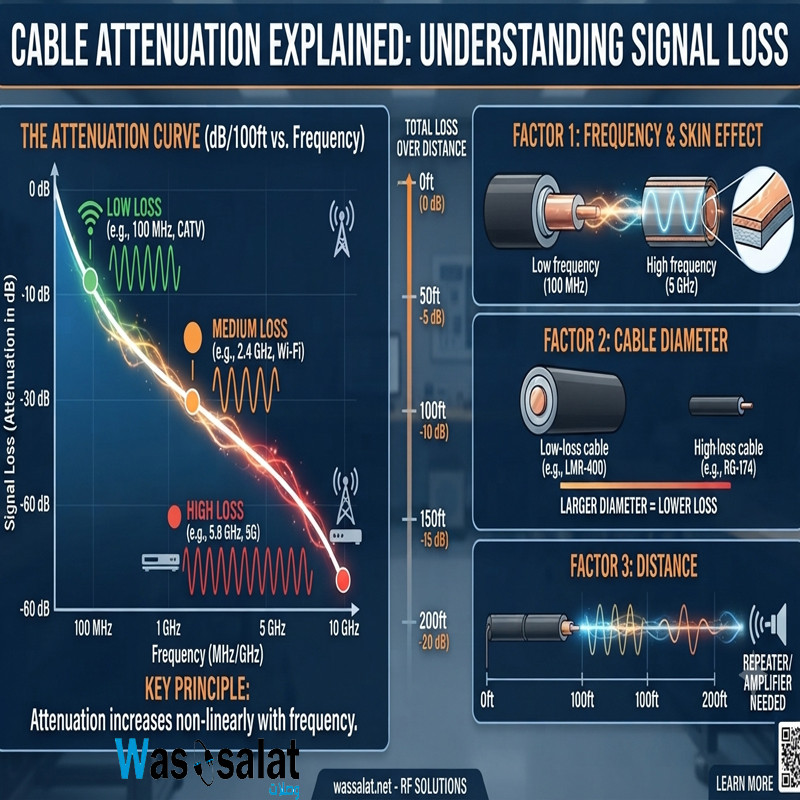 Cable Attenuation Explained: Understanding Signal LossRead more
This comprehensive guide explains everything you need to know about cable attenuation—what it is, what causes it, how...
-
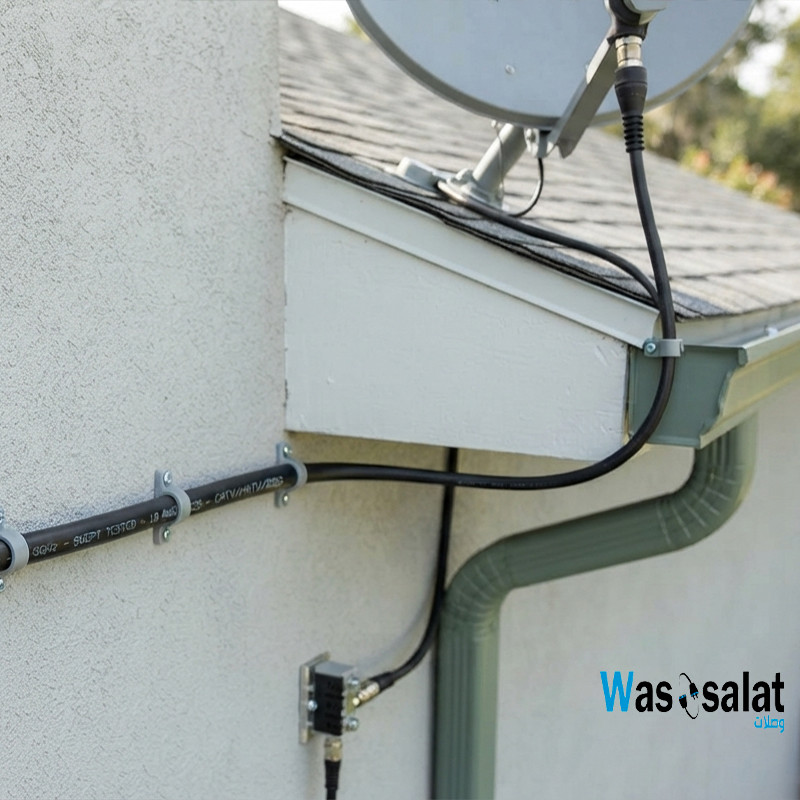 Outdoor Coaxial Cable: Complete Guide & Selection TipsRead more
Choose the right outdoor coaxial cable for your installation. Compare TZC-500/32 vs TZC-500/97, learn about PE...
-
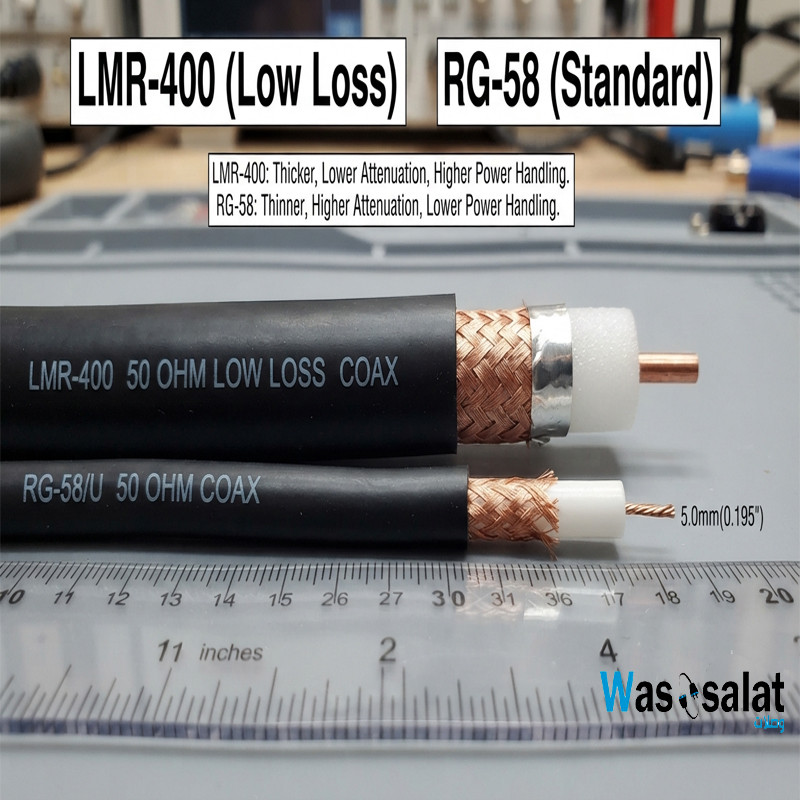 LMR-400 vs RG58: Which Coaxial Cable Should You Choose?Read more
Compare LMR-400 vs RG58 coaxial cables. Learn the differences in signal loss, construction, flexibility, and...
-
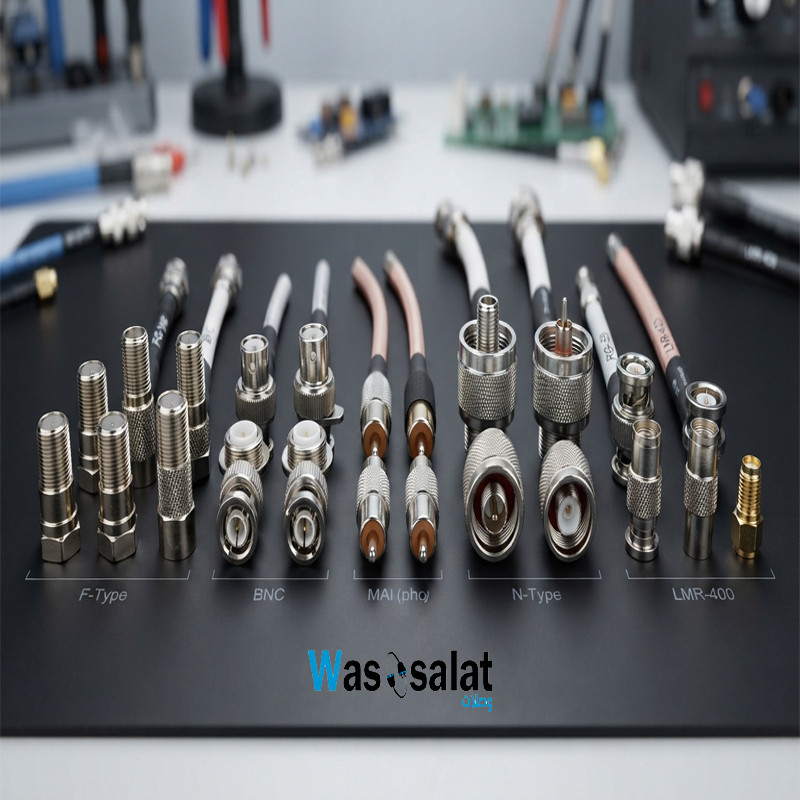 Coax Cable Connectors: Complete Guide to F-Type, BNC, N-Type, SMARead more
Learn about coaxial cable connectors—F-Type, BNC, N-Type, SMA, TNC, and UHF. Compare impedances, frequencies, and...
Leave a comment