

This comprehensive guide covers everything you need to know about waterproof coaxial cables—from understanding water...
Waterproof Coaxial Cable: The Complete Guide
Waterproof Coaxial Cable: The Complete Guide
Published by Wassalat Technical Team
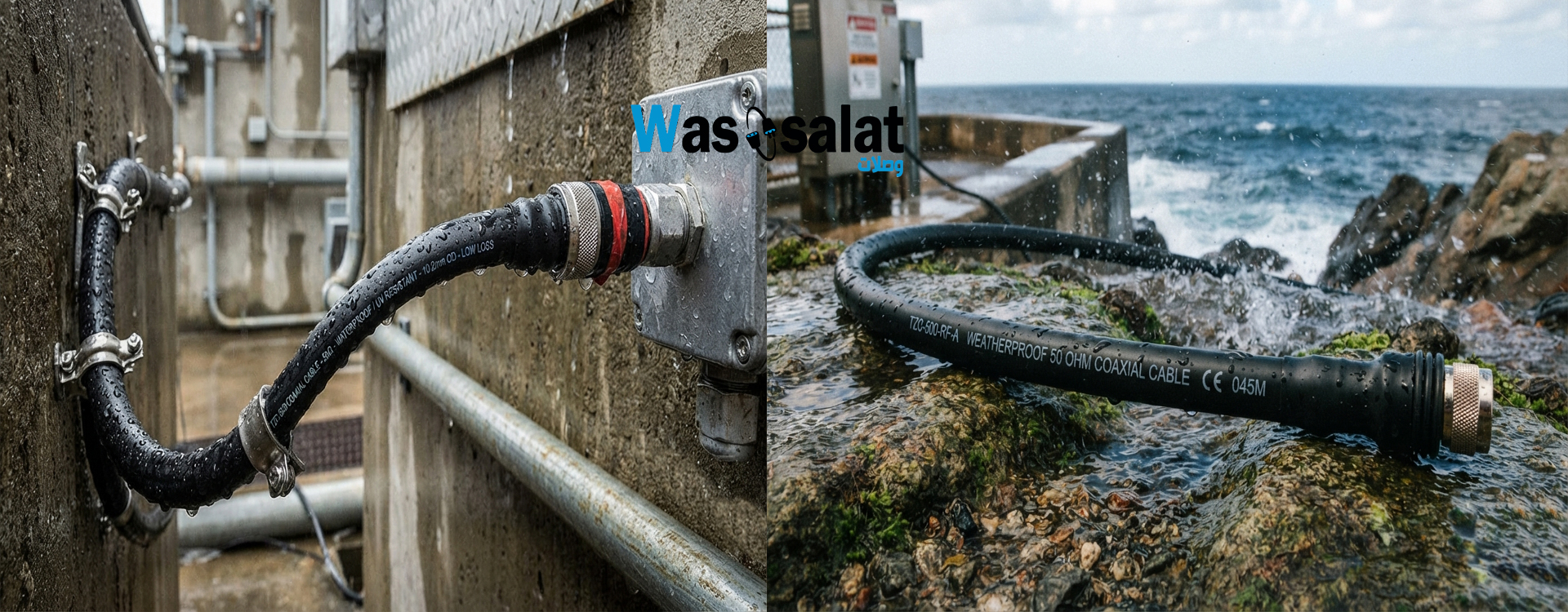
Water is the number one enemy of coaxial cable performance. Water ingress can cause signal loss, corrosion, short circuits, and complete system failure.
This comprehensive guide covers everything you need to know about waterproof coaxial cables—from understanding water resistance levels to selecting the right cable and protecting your installations.
? Table of Contents
Why Waterproofing Matters
Water ingress in coaxial cables can cause several serious problems:
Common Water Damage Effects
| Problem | Cause | Effect |
|---|---|---|
| Corrosion | Water reacts with metal conductors | Increased resistance, signal loss, eventual failure |
| Dielectric Contamination | Water absorbs into foam dielectric | Impedance change, increased signal loss |
| Short Circuits | Water bridges center conductor and shield | Complete signal loss, equipment damage |
| Jacket Degradation | UV and moisture attack PVC jacket | Cracking, water ingress, failure |
| Connector Failure | Corrosion at connector interface | Intermittent connections, high VSWR |
⚠️ Critical: Water ingress is the #1 cause of outdoor cable failure. A small amount of water can destroy a cable within months. Prevention is much easier than repair.
Waterproofing Levels Explained
IP Ratings (Ingress Protection)
| IP Rating | Water Protection | Suitable For |
|---|---|---|
| IP44 | Splashing water | Indoor, protected outdoor |
| IP54 | Limited dust, splashing water | Outdoor, covered locations |
| IP65 | Dust-tight, water jets | Outdoor, exposed installations |
| IP66 | Dust-tight, powerful water jets | Harsh outdoor environments |
| IP67 | Dust-tight, temporary immersion | Underwater (temporary) |
| IP68 | Dust-tight, continuous immersion | Underwater (permanent) |
Water-Blocking vs Water-Resistant
| Property | Water-Blocking | Water-Resistant |
|---|---|---|
| Definition | Prevents water from entering | Resists water entry |
| Jacket Type | PE with water-blocking gel | PE or PVC |
| Connectors | Sealed with O-rings | Standard, taped |
| Best For | Buried, underwater, high moisture | Outdoor, sheltered |
Waterproof Cable Types
1. Outdoor-Rated Coaxial Cable
Features: PE jacket, UV resistant
Water Protection: Moderate (sheds water)
Best For: Outdoor antenna feeds, rooftop installations
Common Types: RG6 Outdoor, RG11 Outdoor, LMR-400
2. Direct Burial Coaxial Cable
Features: PE jacket, water-blocking gel, corrugated shield
Water Protection: Excellent (blocks water entry)
Best For: Underground installations
Common Types: Direct Burial RG6, Direct Burial RG11
3. Flooded Coaxial Cable
Features: Jacket filled with water-blocking compound
Water Protection: Excellent (water-blocking gel expands when wet)
Best For: Long underground runs, high-water areas
4. Armored Coaxial Cable
Features: Aluminum or steel armor over cable
Water Protection: Excellent (physical barrier)
Best For: Harsh environments, rodent protection
5. Underwater Coaxial Cable
Features: Water-blocking, multi-layer protection
Water Protection: Maximum (continuous immersion)
Best For: Submarine, offshore, underwater applications
Comparison Table
| Type | Jacket | Water-Blocking | UV Resistant | Best Use |
|---|---|---|---|---|
| Standard Indoor | PVC | ❌ | ❌ | Indoor only |
| Outdoor (PE Jacket) | PE | ⚠️ | ✅ | Outdoor, exposed |
| Direct Burial | PE + Gel | ✅✅ | ✅ | Underground |
| Flooded | PE + Compound | ✅✅✅ | ✅ | High water areas |
| Armored | PE + Armor | ✅✅ | ✅ | Harsh environments |
Waterproofing Materials
1. Self-Amalgamating Tape
What it is: Silicone-based tape that fuses to itself
How it works: Stretch and wrap; forms a watertight seal
Best For: Weatherproofing connectors
Pros: Excellent seal, flexible, durable
Cons: Permanent, hard to remove
2. Electrical Tape (PVC)
What it is: Standard PVC insulating tape
How it works: Wrapped around connections
Best For: Mechanical protection over self-amalgamating tape
Pros: Easy to use, inexpensive
Cons: Not waterproof on its own
3. Heat Shrink Tubing
What it is: Tubing that shrinks when heated
How it works: Forms a tight seal when heated
Best For: Permanent waterproofing of connections
Pros: Neat, professional appearance, excellent seal
Cons: Requires heat gun, permanent
4. Weather Boots
What it is: Rubber boot that slides over connectors
How it works: Seals around the connector and cable
Best For: N-Type connectors
Pros: Reusable, easy to install
Cons: Only fits specific connector types
5. Liquid Electrical Tape
What it is: Liquid rubber that dries to form a seal
How it works: Brushed onto connections
Best For: Hard-to-reach connections
Pros: Versatile, can be applied anywhere
Cons: Takes time to dry
Installation Best Practices
1. Use the Right Cable for Your Environment
- ✅ Outdoor exposed – Use PE jacket cable
- ✅ Underground – Use direct burial cable
- ✅ High moisture – Use flooded or gel-filled cable
- ✅ Indoor – Use standard PVC cable
2. Create Drip Loops
A drip loop is a U-shaped bend in the cable at the building entry point that prevents water from running along the cable into the building.
3. Weatherproof All Connections
- Apply self-amalgamating tape (stretch and wrap with 50% overlap)
- Apply electrical tape over the self-amalgamating tape
- For N-Type connectors, use weather boots
4. Seal Cable Entries
- ? Use sealant – Silicone or acrylic sealant around cable entry points
- ? Use grommets – Rubber grommets to protect cable and seal holes
- ? Use cable entry blocks – Professional entry sealing systems
5. Ground the System
- ⚡ Ground the dish/antenna – Use a grounding block
- ⚡ Ground the cable entry – Use a grounding block at building entry
- ⚡ Follow electrical codes – Ensure proper grounding
6. Protect Against Physical Damage
- ?️ Use conduit – For exposed ground-level cables
- ?️ Use cable trays – For rooftop installations
- ?️ Keep cables elevated – Off the ground to prevent water damage
Waterproof Connectors
Waterproof Connector Types
| Connector | Waterproof Feature | IP Rating | Best For |
|---|---|---|---|
| Compression F-Type | Rubber seal, compression fit | IP67 | TV, Satellite |
| Weatherproof BNC | O-ring seal | IP67 | CCTV, Video |
| N-Type with Boot | Weather boot, O-ring | IP68 | RF, Wireless |
| Weatherproof SMA | O-ring seal | IP67 | WiFi, IoT |
✅ Recommendation: For outdoor installations, always use compression F-Type connectors. They provide the best weatherproof seal. For N-Type connectors, use weather boots.
Maintenance and Inspection
Regular Inspection Schedule
| Inspection Task | Frequency | What to Look For |
|---|---|---|
| Visual Inspection | Every 6 months | Cracks, damage, corrosion |
| Connector Check | Every 6 months | Tightness, corrosion, moisture |
| Weatherproofing Check | Every 6 months | Tape condition, seal integrity |
| Signal Quality Test | Every 12 months | Signal level, quality, noise |
Signs of Water Damage
- ? Corrosion – Green or white residue on connectors
- ? Discolored jacket – Brown or dark spots
- ? Brittle jacket – Cracking or peeling
- ? Signal degradation – Pixelation, dropouts, weak signal
- ? High VSWR – Increased reflection
- ? Visible moisture – Water drops on connectors or cables
Frequently Asked Questions (FAQ)
1. What is the best waterproof coaxial cable?
The best depends on your application. For outdoor exposed, use PE-jacket RG6 or LMR-400. For underground, use direct burial cable with water-blocking gel.
2. Can I use indoor coaxial cable outdoors?
No. Indoor cable has a PVC jacket that degrades in sunlight and absorbs moisture. It will fail within 1-2 years outdoors.
3. How do I waterproof a coaxial connection?
Use self-amalgamating tape wrapped tightly over the connection, followed by a layer of PVC electrical tape. For best results, use compression connectors.
4. What is a drip loop?
A drip loop is a U-shaped bend in the cable at the building entry point that prevents water from running along the cable into the building.
5. How long does outdoor coaxial cable last?
With proper installation and PE jacket, outdoor coaxial cable can last 10-20+ years. PVC jacket cables fail in 1-2 years outdoors.
6. What is the difference between outdoor and waterproof cable?
Outdoor cable has a PE jacket that resists UV and moisture. Waterproof cable (direct burial, flooded) has additional water-blocking features for underground or underwater use.
7. Can I bury coaxial cable without conduit?
Yes, but use direct burial cable rated for underground use. It has water-blocking gel and a tough jacket to resist moisture and physical damage.
8. How do I test for water ingress?
Use a multimeter to check for shorts (center to shield). Use a signal meter to check for signal loss. Look for visible corrosion or moisture.
9. What is gel-filled coaxial cable?
Gel-filled cable has a water-blocking compound inside the jacket. If the jacket is damaged, the gel expands to seal the damage and prevent water ingress.
10. Can I repair water-damaged coaxial cable?
No. Water damage causes corrosion that spreads within the cable. The affected section must be replaced entirely.
? Related Articles
- Complete Guide to Coaxial Cables
- Outdoor Coaxial Cable
- Installing Coaxial Cable
- Coaxial Cable Connectors
?️ Need Waterproof Coaxial Cables?
We stock outdoor-rated, direct burial, and waterproof coaxial cables for every application. Protect your installations from water damage.
Last Updated: July 2026
© 2026 Wassalat. All rights reserved.
Posted in:
Coaxial Cables
Related posts
-
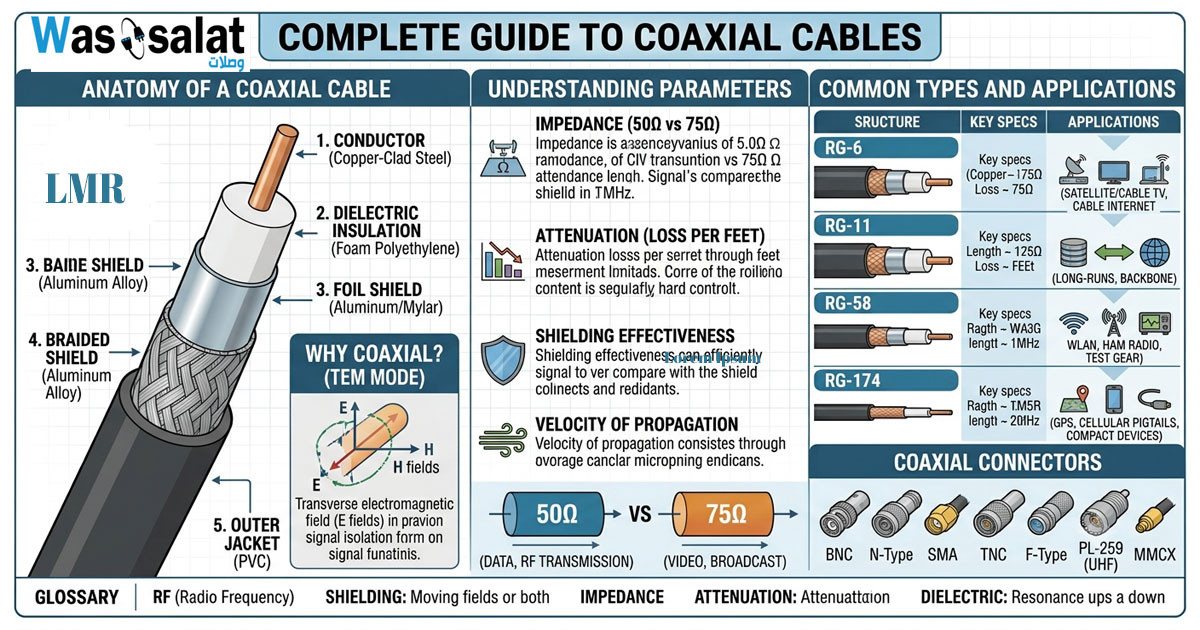 Complete Guide to Coaxial Cables
Everything you need to know about RG-6, LMR-400, impedance, connectors & troubleshooting.Read more
Complete Guide to Coaxial Cables
Everything you need to know about RG-6, LMR-400, impedance, connectors & troubleshooting.Read more -
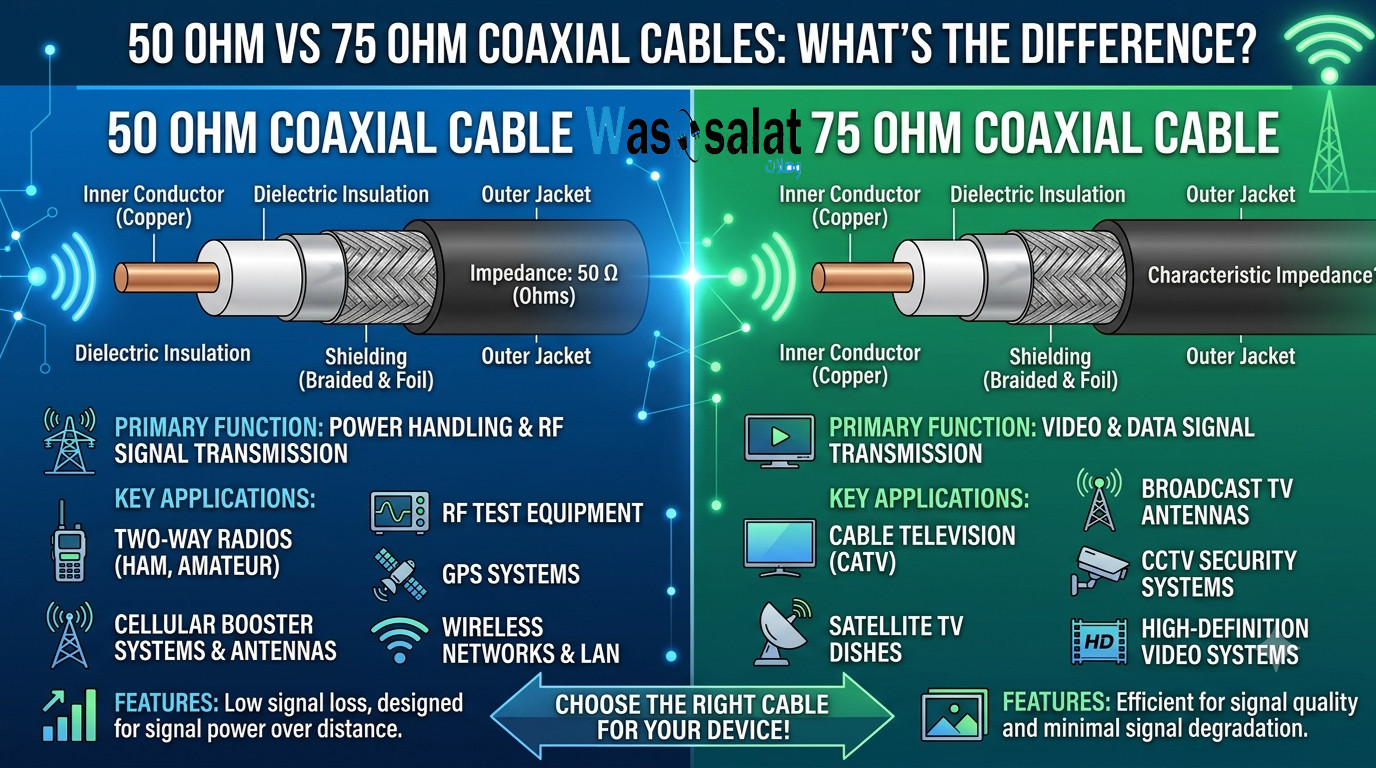 50 Ohm vs 75 Ohm Coaxial Cables: What's the Difference?
Learn the key differences between 50Ω and 75Ω coaxial cables. Find out which impedance you need for WiFi, TV, CCTV,...Read more
50 Ohm vs 75 Ohm Coaxial Cables: What's the Difference?
Learn the key differences between 50Ω and 75Ω coaxial cables. Find out which impedance you need for WiFi, TV, CCTV,...Read more -
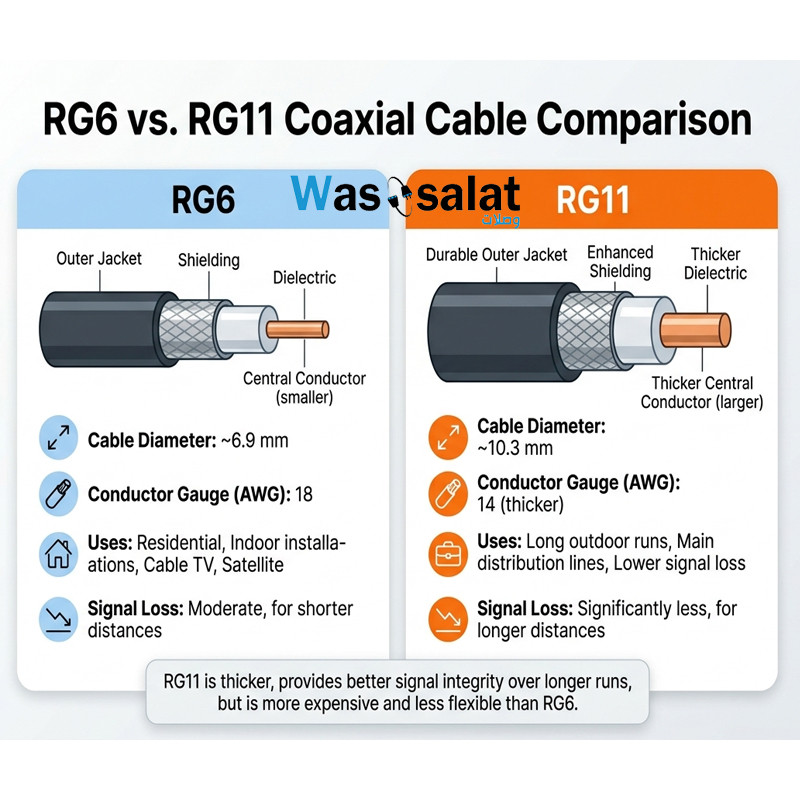 RG6 vs RG11 Coaxial Cables: Which One Do You Need?
Compare RG6 and RG11 coaxial cables. Learn the differences in performance, distance, cost, and when to use each for...Read more
RG6 vs RG11 Coaxial Cables: Which One Do You Need?
Compare RG6 and RG11 coaxial cables. Learn the differences in performance, distance, cost, and when to use each for...Read more -
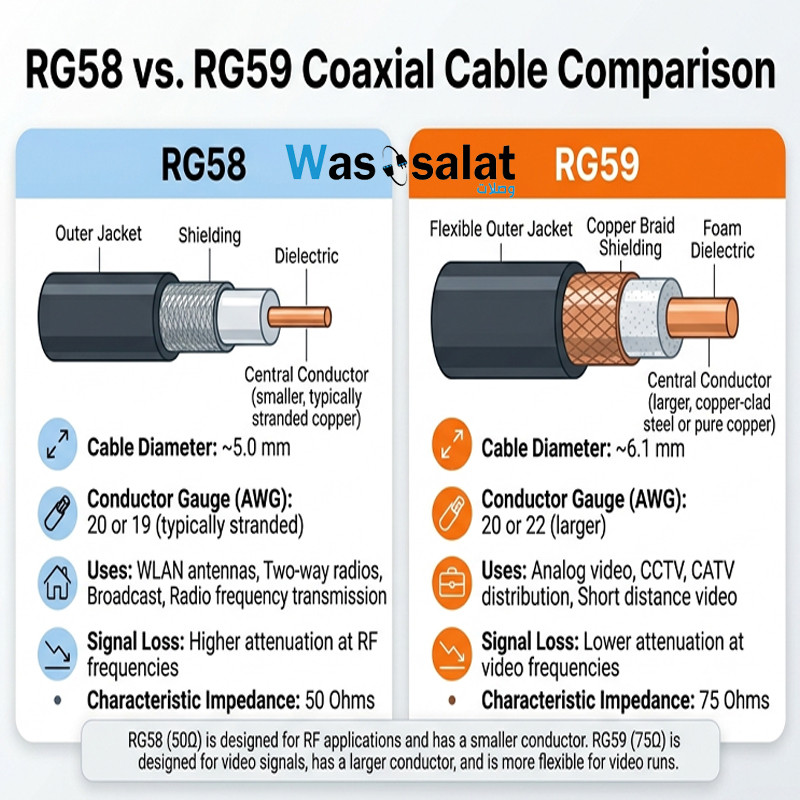 RG58 vs RG59 Coaxial Cables: What's the Difference?
Compare RG58 and RG59 coaxial cables. Learn the critical impedance difference, applications for RF vs video, and...Read more
RG58 vs RG59 Coaxial Cables: What's the Difference?
Compare RG58 and RG59 coaxial cables. Learn the critical impedance difference, applications for RF vs video, and...Read more -
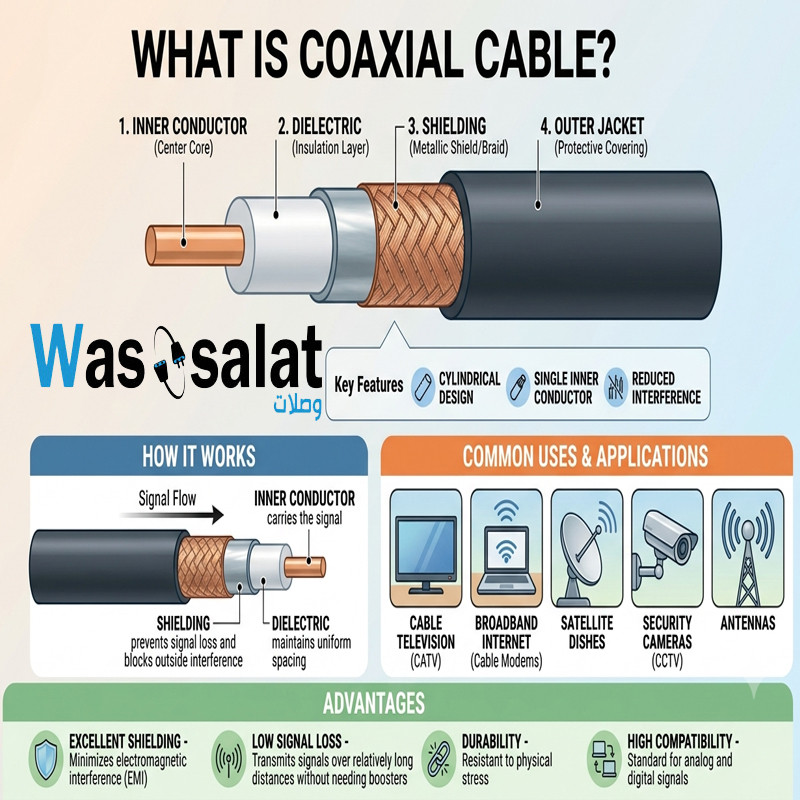 What Is a Coaxial Cable? The Complete Beginner's Guide
Learn what coaxial cables are, how they work, their construction, types, and applications. The beginner's guide to...Read more
What Is a Coaxial Cable? The Complete Beginner's Guide
Learn what coaxial cables are, how they work, their construction, types, and applications. The beginner's guide to...Read more
Latest posts
-
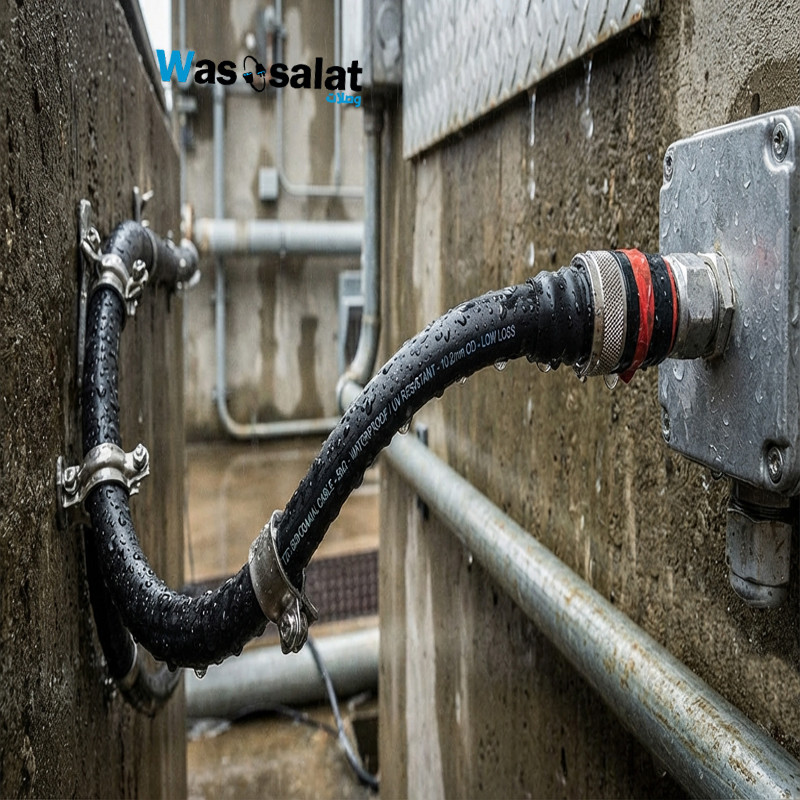 Waterproof Coaxial Cable: The Complete GuideRead more
 -
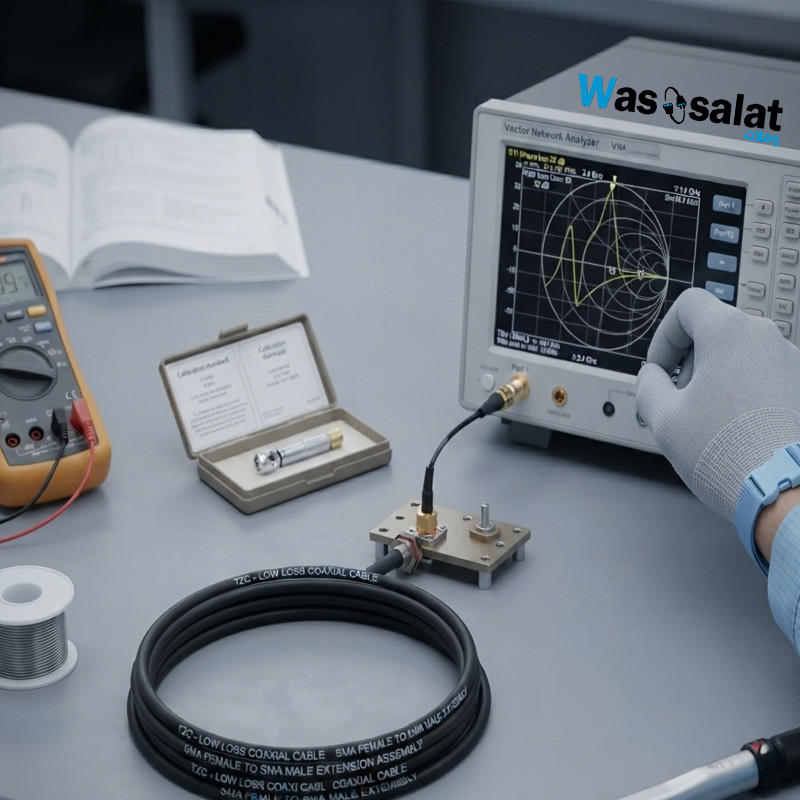 Testing Coaxial Cable: The Complete GuideRead more
This comprehensive guide covers everything you need to know about testing coaxial cable—from simple continuity checks...
-
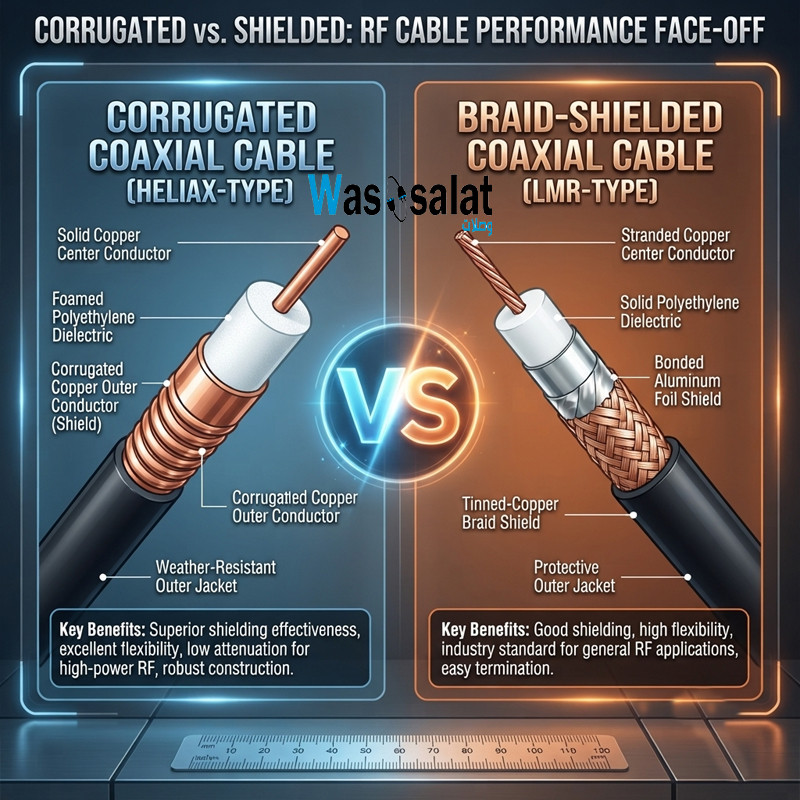 Corrugated Coaxial Cable vs Shielded Coaxial Cable: Complete ComparisonRead more
This comprehensive guide compares both technologies—explaining the differences in construction, performance,...
-
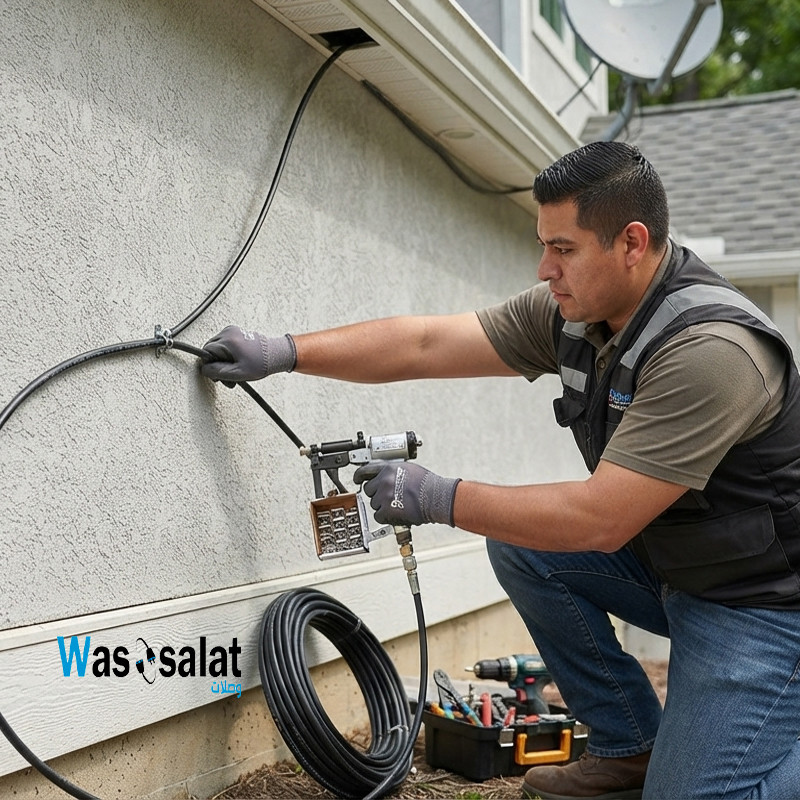 Installing Coaxial Cable: The Complete GuideRead more
This comprehensive guide compares double shield and quad shield coaxial cables—explaining the differences in...
-
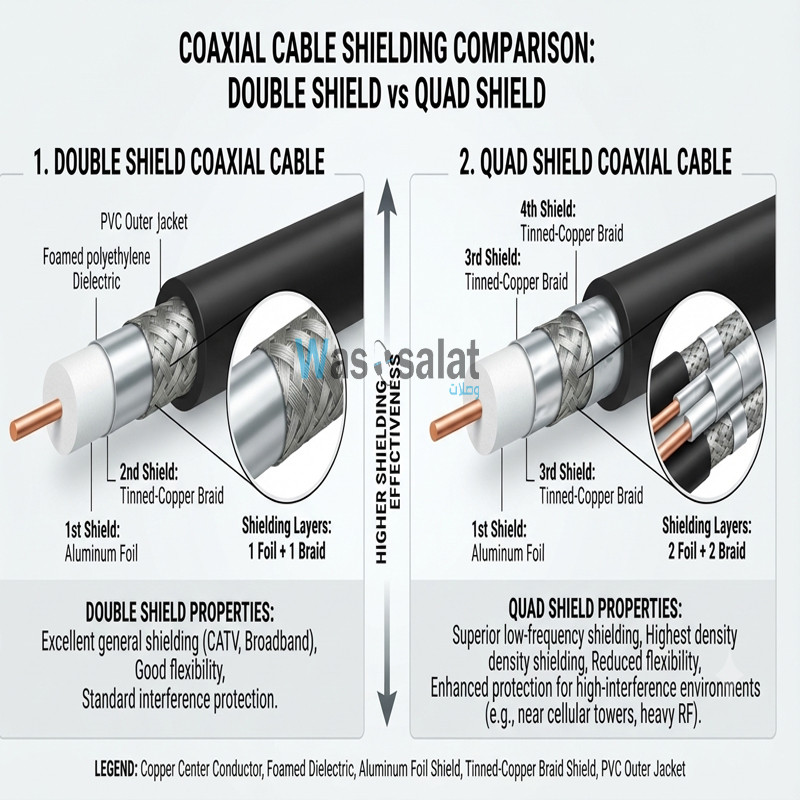 Double Shield vs Quad Shield: Which Coaxial Cable Should You Choose?Read more
This comprehensive guide compares double shield and quad shield coaxial cables—explaining the differences in...
-
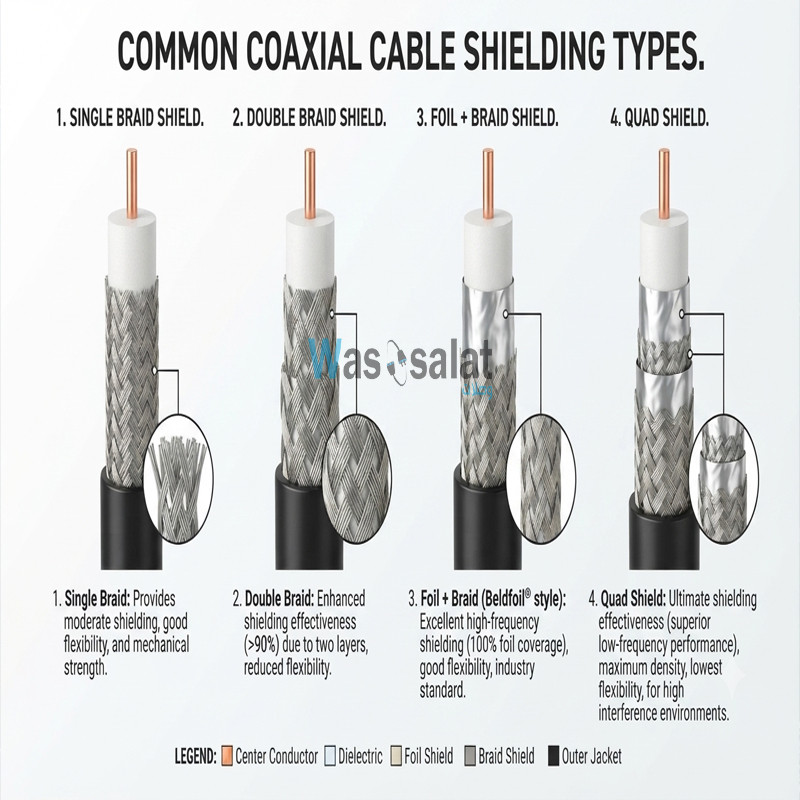 Shielding Types in Coaxial Cables: Complete GuideRead more
This comprehensive guide explains everything you need to know about shielding types—from single shield to quad...
-
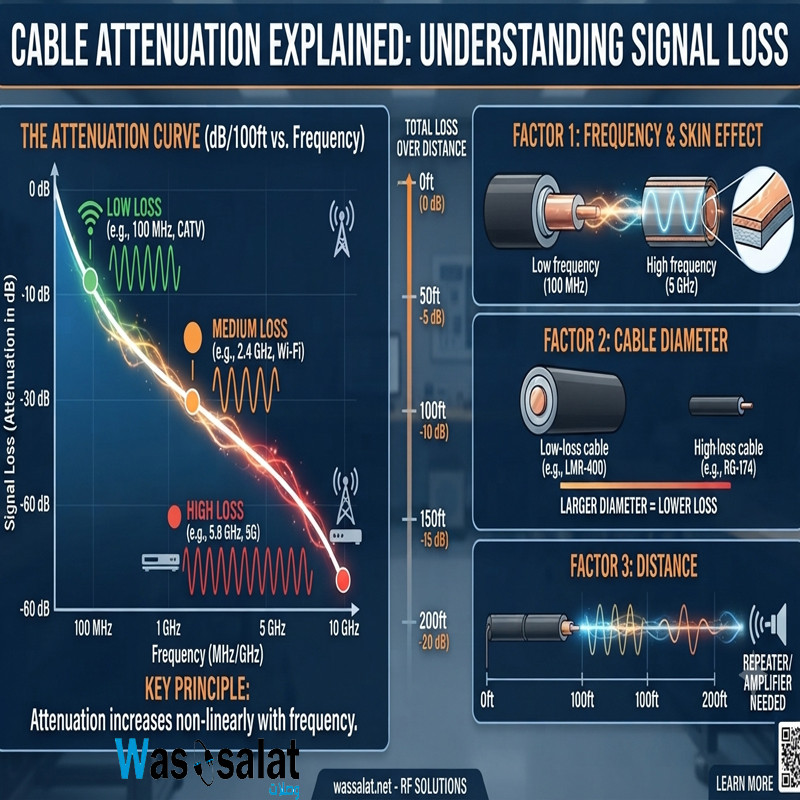 Cable Attenuation Explained: Understanding Signal LossRead more
This comprehensive guide explains everything you need to know about cable attenuation—what it is, what causes it, how...
-
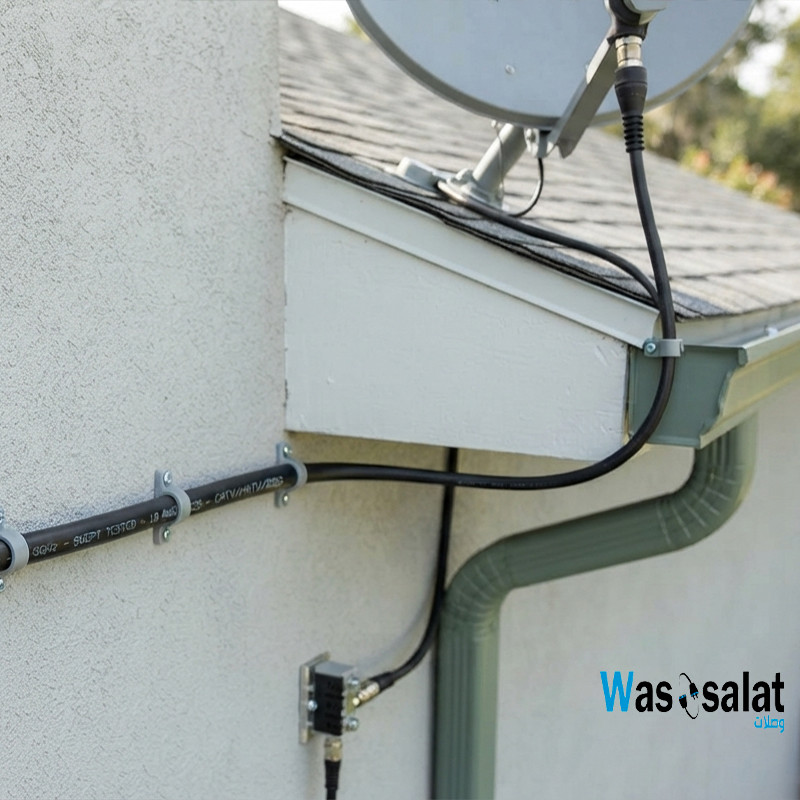 Outdoor Coaxial Cable: Complete Guide & Selection TipsRead more
Choose the right outdoor coaxial cable for your installation. Compare TZC-500/32 vs TZC-500/97, learn about PE...
-
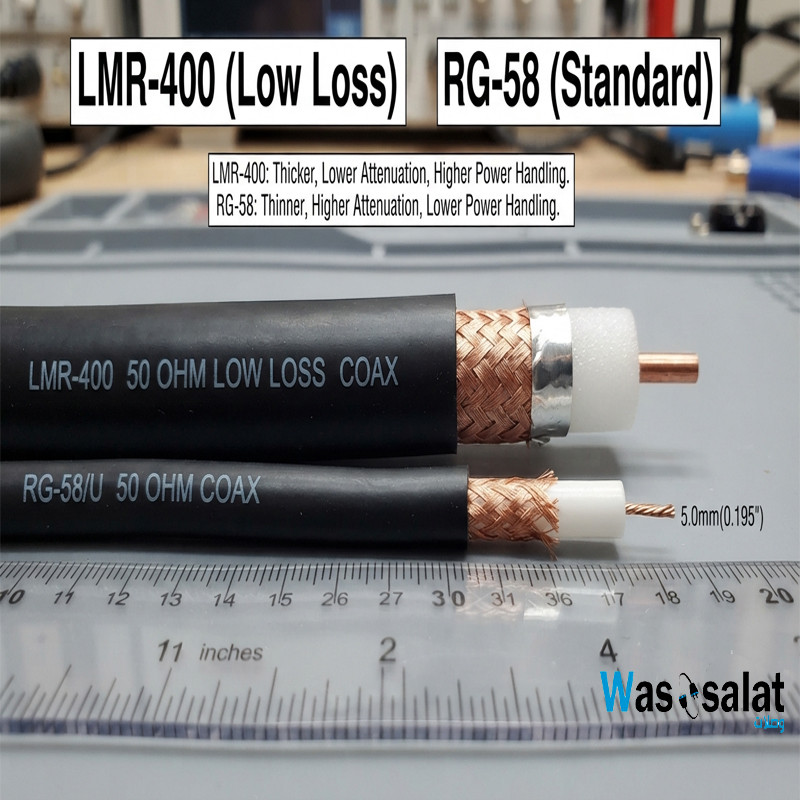 LMR-400 vs RG58: Which Coaxial Cable Should You Choose?Read more
Compare LMR-400 vs RG58 coaxial cables. Learn the differences in signal loss, construction, flexibility, and...
-
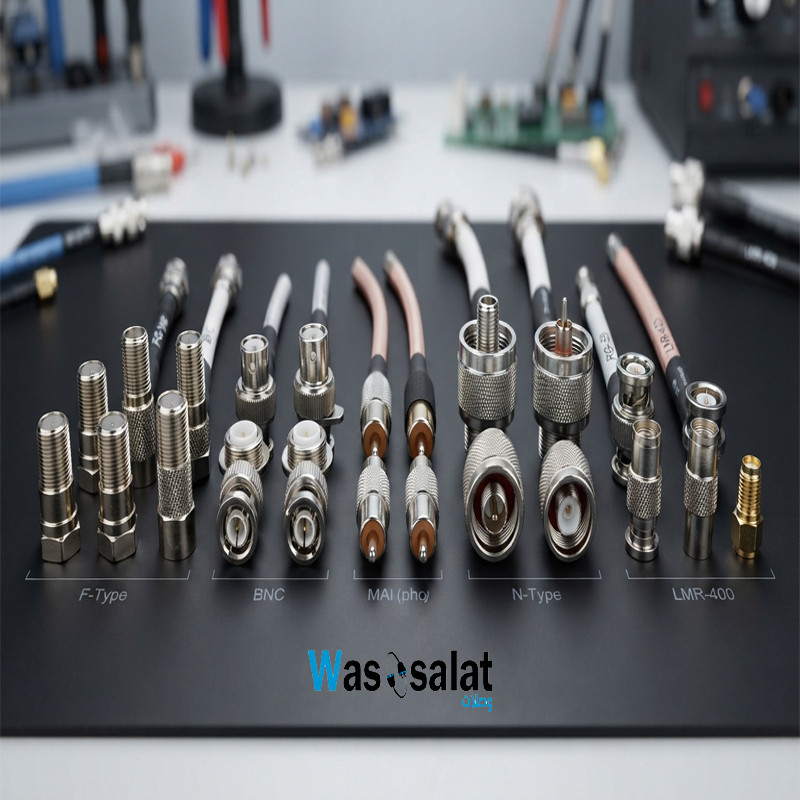 Coax Cable Connectors: Complete Guide to F-Type, BNC, N-Type, SMARead more
Learn about coaxial cable connectors—F-Type, BNC, N-Type, SMA, TNC, and UHF. Compare impedances, frequencies, and...
Leave a comment